
The best time to see the Great Migration in the Maasai Mara is July to October, when the herds cross the Mara River from Tanzania's Serengeti into Kenya. Crossings peak from late July through September. For fewer vehicles, aim for the June or October shoulder weeks and stay at least three nights, ideally in a private conservancy.
The migration is a year-round circuit, not a single event. More than a million wildebeest, joined by zebra and gazelle, follow the rains in a broad loop between the Serengeti and the Maasai Mara, and the Kenyan leg is only one chapter of it. We have been timing Mara safaris since 2013, and the honest answer to "when should I go" depends on what you most want: river crossings, vast herds on open plains, or big cats without the peak-season vehicle count. This guide breaks the year down month by month so you can decide.
Where are the herds each month?
Treat the table below as a planning framework rather than a timetable. The herds follow rainfall, and in an unusually wet or dry year the whole cycle can shift by several weeks. Our guides track herd movements through the season and adjust game-drive plans day by day.
| Months | Where the herds are | What you'll see |
|---|---|---|
| January–March | Southern Serengeti and Ndutu plains, Tanzania | Calving season: mass births on the short-grass plains and intense predator activity |
| April–May | Moving northwest through the central and western Serengeti | Long columns on the move; green-season rates and very few vehicles |
| June | Western Serengeti, pushing north | Herds massing to head north; the Mara itself is still quiet but its resident game is excellent |
| July | Northern Serengeti, spilling into the Maasai Mara | First Mara River crossings, typically building from mid to late July |
| August–September | Spread across the Maasai Mara and Mara Triangle | Peak river crossings, enormous herds, heavy lion and cheetah action |
| October | Northern Mara, beginning to drift back south | Late crossings in both directions; herds still present, crowds thinning |
| November–December | Returning south through the Serengeti | Short rains; the Mara reverts to superb resident game viewing |
When do the Mara River crossings happen?
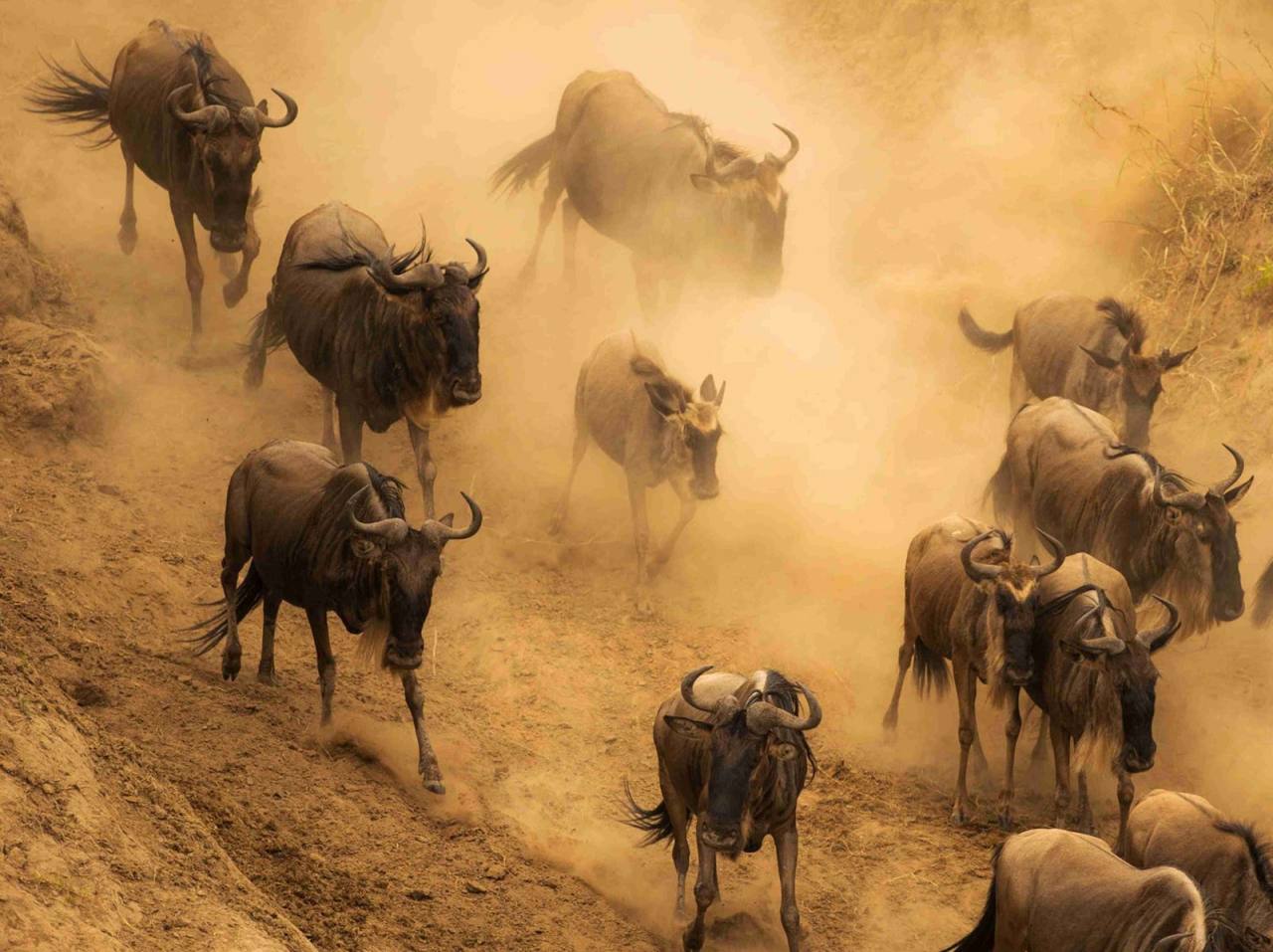
Mara River crossings take place between July and October, with the heaviest activity from late July through September. The herds arrive from the northern Serengeti and then cross back and forth throughout their stay, chasing fresh grass on either bank. A single herd may swim the river several times in a season, which is why October crossings — often heading south again — are more common than many first-time visitors expect.
What no operator can promise is a crossing on a given morning. Wildebeest can mass on a bank for hours or days, spook at a shadow, and simply walk away. Our approach is straightforward: stay long enough, position early, and be patient. Our guides share sightings over the radio network, and on likely crossing days we pack a picnic breakfast and lunch and stay out until the herds commit. Guests who book three or more nights in August or September have a strong chance of witnessing at least one crossing; a one-night stop is a coin toss.
Dry season or green season: which should you book?
June to October is the dry season and the best all-round game viewing in East Africa. Grass is short, water is scarce, and wildlife concentrates along the rivers and marshes, so sightings come thick and fast. It is also peak demand: the best camps fill many months ahead and rates sit at the top of the range.
April and May are the green season. The migration is in the Serengeti then, not the Mara, but the reserve's resident game — including the lion prides and cheetah that made it famous — stays put all year. Rates fall to their lowest, lodges are quiet, the plains turn emerald, and the light after afternoon storms is superb for photography. The trade-offs are real: expect black-cotton mud on some tracks and downpours most afternoons.
As a budgeting guide, our safaris run from approx. $150–250 per person per day for budget camping, $250–400 for mid-range lodges, and $450 and up for luxury camps. Green-season offers sit at the bottom of each band, while August and September in the Mara sit at the top — verify current rates when booking.
Should you stay in the reserve or a private conservancy?
The Maasai Mara National Reserve is where the river crossings happen, so if a crossing is your priority you need game-drive access to it. The trade-off is company: in August a well-known crossing point can draw a long line of vehicles, and off-road driving and night drives are not permitted inside the reserve.
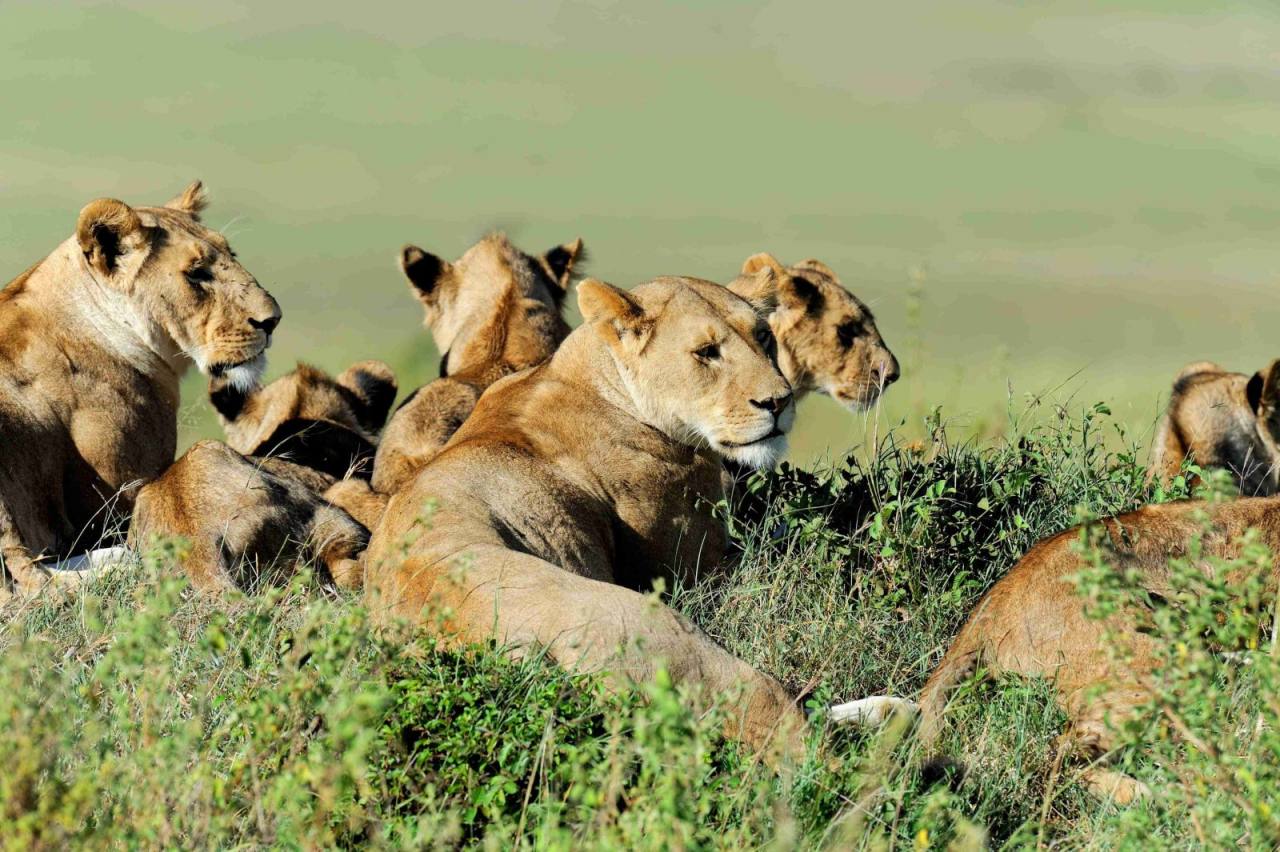
The private conservancies bordering the reserve — Maasai-owned land leased to a small number of camps — are our preferred base for most guests. Vehicle numbers at sightings are capped, off-road positioning is allowed for the right sighting, and night drives and guided walks open up a side of the Mara the reserve cannot. Because the conservancies share unfenced borders with the reserve, the wildlife is the same; you simply see it with fewer people, then drive into the reserve on crossing days.
The pattern we recommend most often is a split stay: two nights in or beside the reserve for crossing access, then two nights deeper in a conservancy for the quiet sightings. If you would like us to build that around your dates and budget band, start with our safari planner and we will put camp options in front of you.
How do you avoid the crowds in peak season?
- Stay three nights or more. Time is the single biggest factor in both crossing odds and quiet sightings. With three full days your guide can work around the busy circuits instead of racing them.
- Base yourself in a conservancy. Capped vehicle numbers mean a leopard sighting shared with one other car, not fifteen.
- Travel in the shoulder weeks. Late June and early July catch the arriving herds before peak bookings; October keeps the herds and late crossings after most visitors have gone home.
- Start earlier than everyone else. A 6 a.m. departure with a picnic breakfast puts you at first light with the predators, hours ahead of the mid-morning wave.
- Book well ahead for August and September. The camps we rate highest sell out many months in advance; late bookers get what is left, usually in the busiest zones.
How long should you stay, and what pairs well with the Mara?
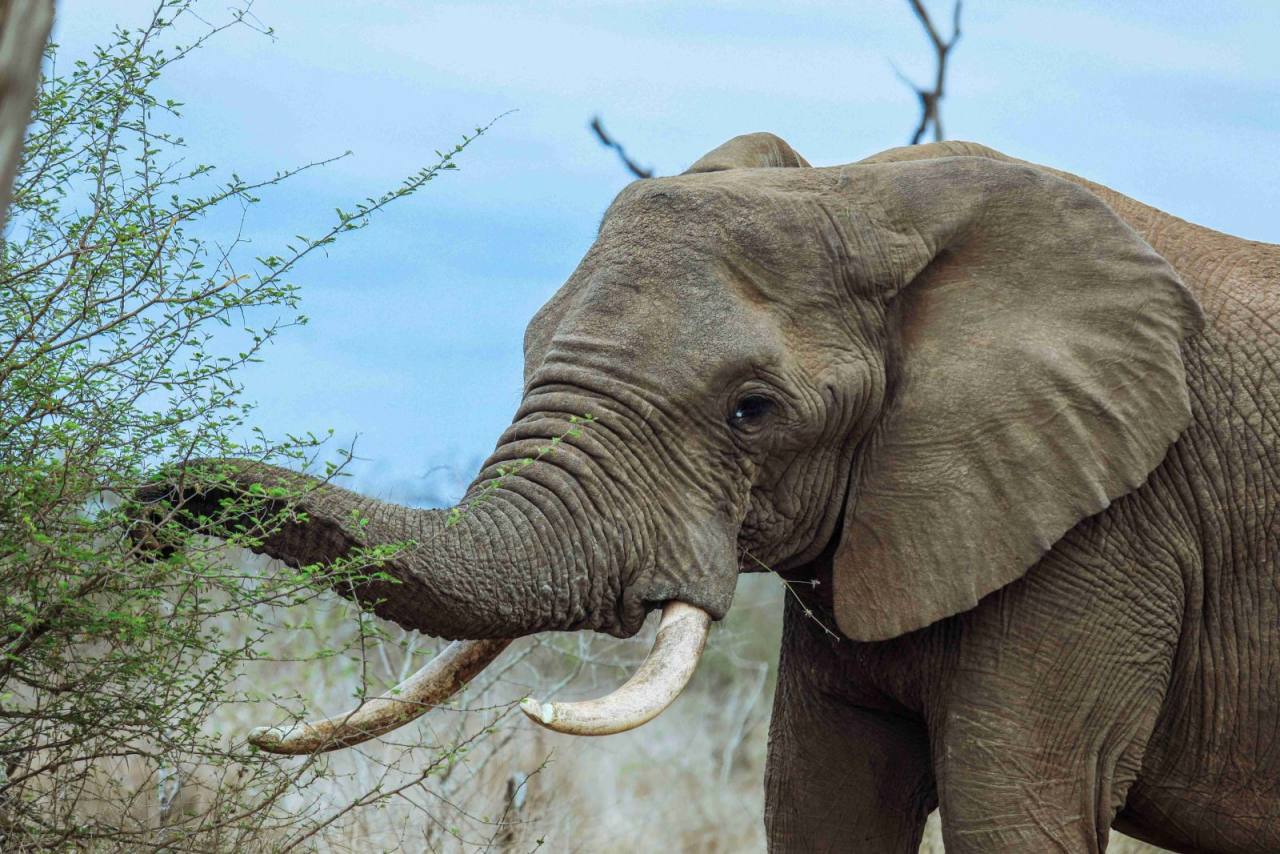
Four nights is our sweet spot for a migration-season trip: enough for a full-day crossing vigil, early-morning cat drives, and a conservancy stay without repetition. Our 5-day Maasai Mara big cat safari is built on exactly that rhythm. If you have more time, the Mara pairs naturally with Amboseli for elephant herds beneath Kilimanjaro, or with a beach finish in Zanzibar — a short flight and a complete change of pace after dusty game-drive days.
Frequently asked questions
What month has the best chance of seeing a river crossing?
August and September give the highest probability. The bulk of the herds are inside the Maasai Mara then and cross the Mara River repeatedly as they chase fresh grass. Late July can deliver dramatic first crossings and October often produces southbound ones, but no month guarantees a crossing on any given day — staying three or more nights is what really moves the odds.
Is the Great Migration in the Maasai Mara all year?
No. The herds are typically in the Mara from July to October, then spend the rest of the year moving through Tanzania's Serengeti — calving in the south from January to March and trekking northwest from April to June. The Mara itself remains a first-class safari destination year-round, though, because its lion, leopard, cheetah, elephant and resident plains game do not migrate.
How many nights do I need in the Maasai Mara?
Plan on three nights minimum in migration season, and four if a river crossing is a priority. Crossings are unpredictable, so the extra time is what turns a hopeful stop into a realistic sighting. Three or four nights also lets your guide mix early cat drives, a full-day drive with a picnic, and quieter conservancy areas instead of rushing one busy circuit.
Is the Maasai Mara worth visiting in April or May?
Yes, if you value low rates and empty plains over the migration itself. The herds are in the Serengeti then, but the Mara's resident big cats, elephants and plains game remain, rates drop to the bottom of each price band, and the green landscape is beautiful for photography. Expect afternoon rain and some muddy tracks, and confirm which camps are open, as a few close in the long rains.
Tell us how you like to travel and we'll hand-build the itinerary — lodges and 4×4 included.
Plan a safari