
Amboseli National Park in southern Kenya is East Africa's most reliable place to watch big-tusked elephants at close range, often with Mount Kilimanjaro rising behind them. Visit in January–February or June–October, be on a game drive at dawn when the mountain is clearest, and allow approx 4–5 hours by road from Nairobi or a short bush flight.
Our guides have been driving guests into Amboseli since 2013, and it remains the park we recommend first to anyone whose safari dream is built around elephants. Other parks have larger elephant populations on paper; none lets you watch them this well, this predictably, in a setting this photogenic.
Why is Amboseli East Africa's best elephant park?
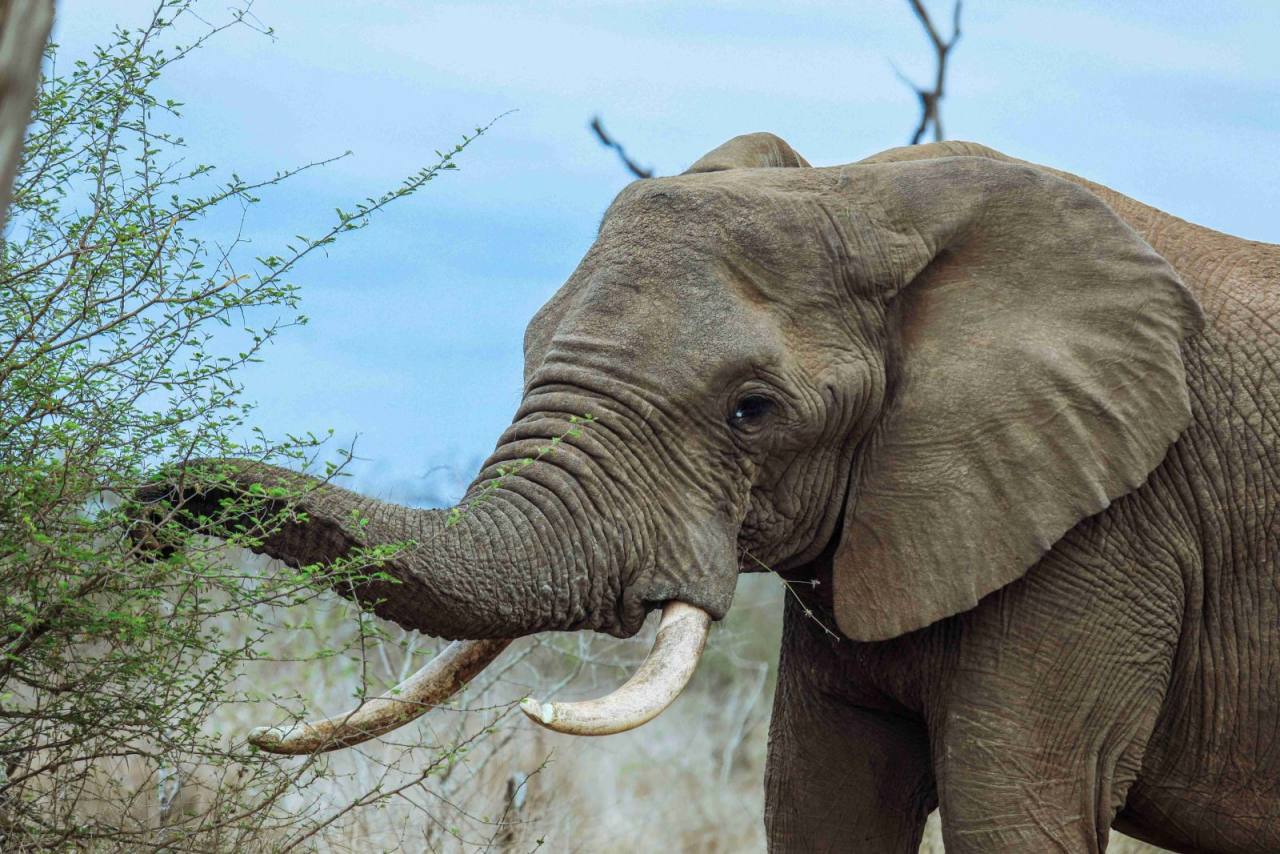
Three things set it apart. First, the elephants themselves: Amboseli's families include some of the biggest tuskers left in Africa, and they have been observed by researchers for decades in one of the longest-running elephant studies anywhere. Generations of habituation mean the herds treat vehicles as part of the furniture, so you see natural behaviour — greetings, mud baths, calves testing their trunks — rather than retreating backsides.
Second, the daily rhythm. Herds spend the night in the woodland and bush country around the park, then walk out across the dusty bed of the seasonal lake each morning to feed in the swamps, returning in the evening. That commute is predictable and visible from a long way off, which is why Amboseli produces the walking-line-of-elephants images that other parks rarely can.
Third, the setting. The plains are open, with little thick bush to hide in, and on a clear morning the entire scene sits beneath the snow-capped bulk of Kilimanjaro just across the Tanzanian border. There is no other backdrop like it in Africa.
When should you go to Amboseli?
Two windows stand out. January–February is dry-ish, with superb light, big herds concentrated at the swamps, and some of the best odds of a clear mountain — it is our favourite time for photography. June–October is the main dry season and the best game viewing across East Africa, with animals pulled tightly to the permanent water. The short rains in November–December green the park, thin the crowds, and rain-washed air can produce crisp views of Kilimanjaro between showers. The March–May long rains are the green season: lowest rates, dispersed wildlife, and more cloud on the mountain.
| Month | Conditions | Kilimanjaro visibility | Crowds |
|---|---|---|---|
| January | Dry-ish, warm, superb light | Good at dawn | Moderate to high |
| February | Dry-ish, dusty, herds at the swamps | Good at dawn | Moderate to high |
| March | Long rains begin, park greens up | Fair, more cloud | Low |
| April | Wettest month, some tracks heavy going | Poor to fair | Lowest |
| May | Rains taper, lush landscapes | Fair | Low |
| June | Dry season starts, cool mornings | Good at dawn | Building |
| July | Dry, dusty, wildlife concentrated | Good at dawn | High |
| August | Peak dry season | Good at dawn | Highest |
| September | Dry, excellent game viewing | Good at dawn | High |
| October | End of dry season, hot and dusty | Fair to good | Moderate |
| November | Short rains, air washed clean between showers | Fair to good | Low |
| December | Short rains ease, green and fresh | Good between showers | Moderate to high over the holidays |
Treat the visibility column as odds, not promises. Kilimanjaro makes its own weather and usually disappears behind cloud by mid-morning in any season, which is why dawn matters more than the month you choose.
How do you photograph the classic Kilimanjaro shot?
The image everyone wants — elephants walking beneath the mountain — is a dawn shot. Be out of camp at first light, when the summit is most likely to be clear and the low sun sidelights the herds. Our guides position the vehicle so a herd sits between you and the mountain, then let the animals walk into frame; a long lens compresses the distance so Kilimanjaro towers behind them the way your eye sees it.
Two more setups are worth planning. Observation Hill, one of the few places in the park where you can leave the vehicle, gives an elevated panorama over the swamps and lake bed — good for wide scenes and for sunset. And in the dry season, late afternoon brings the dust-and-backlight shot: shoot toward the low sun as herds cross the lake bed, and the kicked-up dust turns gold around their silhouettes. Bring a zoom of 300mm or longer, something wide for the landscape, spare batteries, and a power bank — charging via inverters is increasingly common in game-drive vehicles, but dawn-to-dusk days drain everything.
How do you get to Amboseli?
By road, allow approx 4–5 hours from Nairobi depending on traffic out of the city and conditions on the final stretch. Most of our guests travel this way in 4x4 Land Cruisers with pop-up roofs, often continuing to another park afterwards. The alternative is a short bush flight from Nairobi's Wilson Airport to the park's airstrips — quick and scenic, with the usual caveat that bush flights commonly enforce soft-sided bags and approx 15 kg of total luggage.
What will you find inside the park?
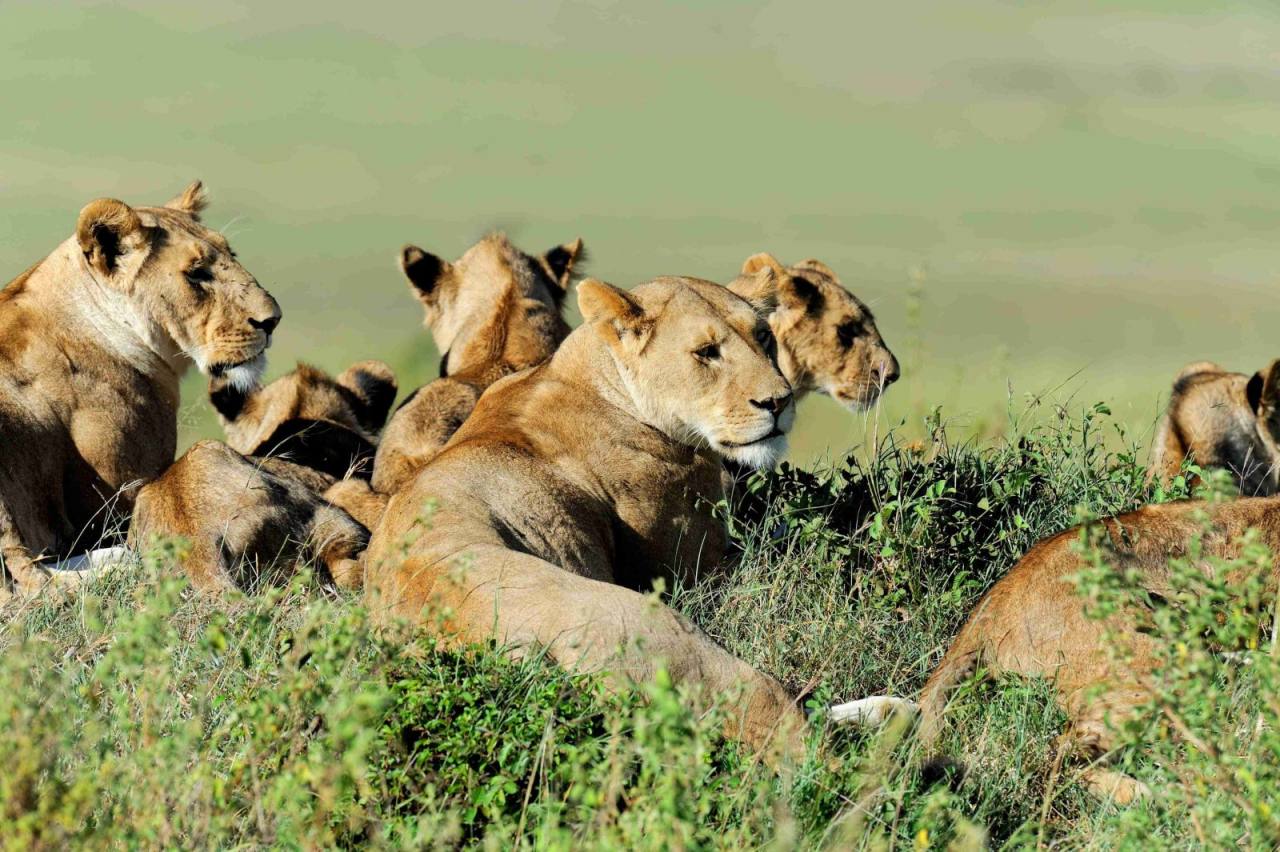
Amboseli is compact and arranged around water. The seasonal Lake Amboseli is a shimmering dust bowl for much of the year and floods only after heavy rain. The park's engine is its permanent swamps, fed by Kilimanjaro's meltwater filtering underground and surfacing here — green ribbons that keep elephants, hippo, and buffalo fed through the driest months. Around them lie open grassland, patches of acacia woodland, and Observation Hill. Because distances are short, game drives are efficient: expect giraffe, zebra, wildebeest, and hyena alongside the elephants, plus prolific birdlife on the wetlands. Lions and cheetah are present but Amboseli is not primarily a cat park — that is what the Mara is for.
What does an Amboseli safari cost?
Day rates follow the same bands as the rest of Kenya: budget camping approx $150–250 per person per day, mid-range lodges approx $250–400, and luxury camps from approx $450 upward, with park fees set separately by the authorities and revised periodically — verify current rates when booking. Our Amboseli elephant safari is the itinerary we run most often here, built around dawn drives and swamp crossings. If you would rather start from a blank page, tell us your dates and budget on our plan your safari page and we will shape the trip around them.
Can you combine Amboseli with other parks?
Easily, and you should. The natural pairing is Tsavo West, a comfortable onward drive into a completely different landscape of volcanic hills, lava flows, and clear springs — two nights in each makes a satisfying week. The other classic combination is with the Maasai Mara, connecting through Nairobi by road or by air: Amboseli delivers the elephants and the mountain, the Mara delivers big cats and, in season, the migration. For more ways to build the route, browse our destinations.
How should you behave around elephants?
Amboseli's elephants are relaxed because generations of vehicles have behaved well around them. Keeping it that way is part of the deal:
- Keep a respectful distance and let elephants close the gap if they choose — the best sightings happen when a feeding herd drifts around a stationary vehicle
- Never drive between a mother and her calf, and never split a moving herd
- Switch the engine off at close sightings when your guide judges it safe, and keep voices low
- Read the signals: spread ears, a raised trunk, or a head shake mean back away, and our guides will already be doing it
- No flash photography at close range, no food held out of the vehicle, and no drones — permits are restrictive and parks prohibit flying without authorisation
A good guide makes all of this invisible; you simply notice that the elephants never stop doing what they were doing when you arrived. That is the measure of a well-run sighting, and it is the standard we hold every departure to.
Frequently asked questions
When is Mount Kilimanjaro most visible from Amboseli?
At dawn, and to a lesser extent around dusk. The mountain generates its own weather and typically disappears behind cloud by mid-morning in any season. Your best odds come in the dry months — January to February and June to October — but rain-washed mornings during the November–December short rains can be excellent too. Plan to be on a game drive at first light.
How long is the drive from Nairobi to Amboseli?
Approx four to five hours by road, depending on traffic leaving Nairobi and conditions on the final stretch into the park. If you prefer not to drive, a short bush flight from Nairobi's Wilson Airport reaches the park's airstrips quickly; note that bush flights commonly enforce soft-sided bags and approx 15 kg of total luggage, so pack a duffel rather than a suitcase.
How many days do you need in Amboseli?
Two nights is the sweet spot for most travellers: it gives you two dawn game drives, which is when Kilimanjaro is clearest and the elephant herds are moving out to the swamps. Photographers often add a third night for more chances at the classic shot. Amboseli is compact enough to see well in that time, then continue to Tsavo West or the Maasai Mara.
Is Amboseli or the Maasai Mara better?
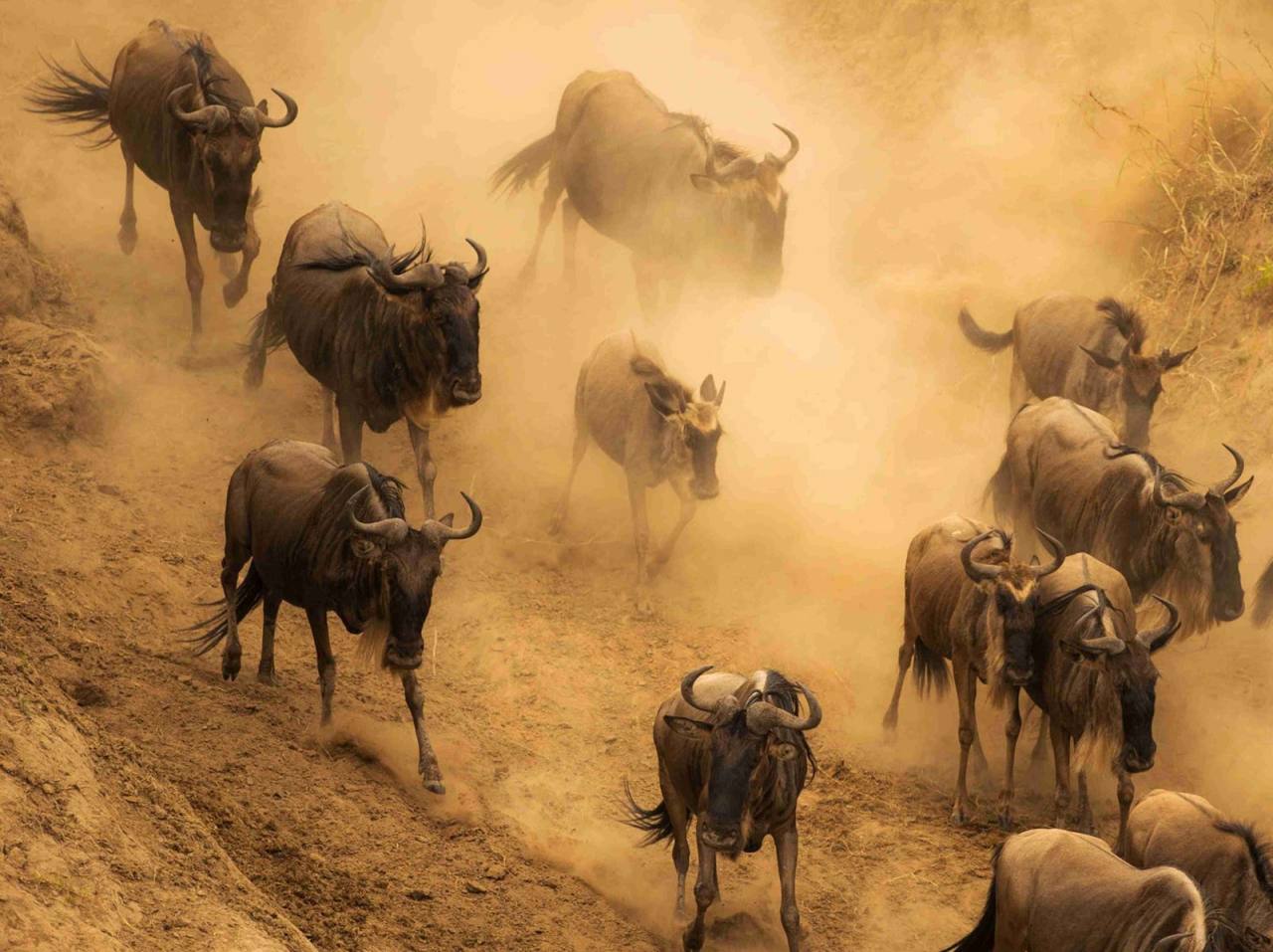
They do different jobs. Amboseli is the elephant park: big tuskers, predictable herd movements, and the Kilimanjaro backdrop, all in a compact area. The Maasai Mara is stronger for big cats and, in season, the wildebeest migration. Neither replaces the other, which is why the classic Kenyan itinerary combines both — Amboseli for elephants and the mountain, the Mara for lions, leopards, and cheetah.
Tell us how you like to travel and we'll hand-build the itinerary — lodges and 4×4 included.
Plan a safari