
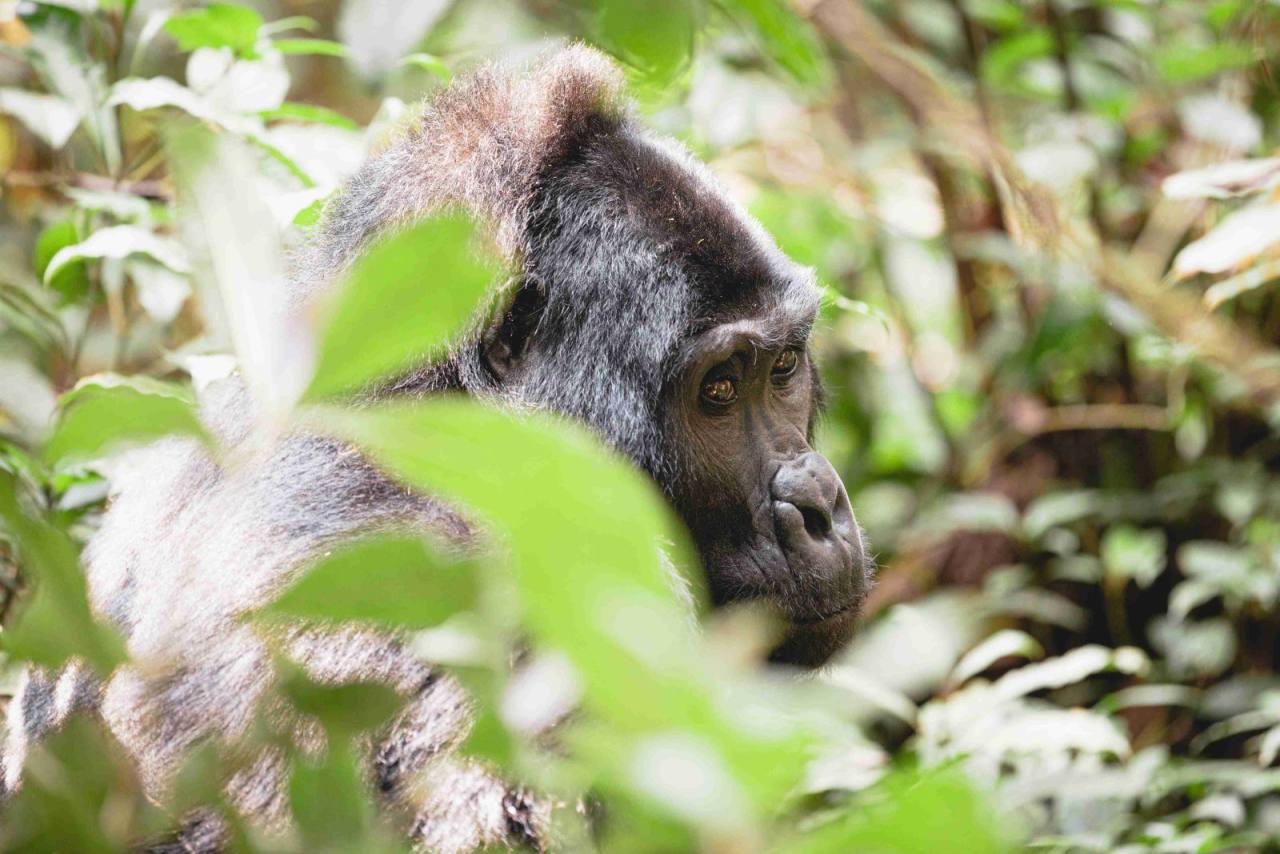
Choose Rwanda's Volcanoes National Park if you want the shortest route to the gorillas — about two to three hours' drive from Kigali — and can absorb the US$1,500 permit. Choose Uganda's Bwindi if you would rather pay US$800 and fold the trek into a longer overland safari. Both deliver the same prize: one hour with a wild mountain gorilla family.
Mountain gorillas survive in only a handful of forests on earth, and two parks account for most treks: Bwindi Impenetrable National Park in southwestern Uganda and Volcanoes National Park in northern Rwanda. We organise safaris to both, and we get asked the same question every week: which one should a first-timer choose. The honest answer is that the hour with the gorillas is equally extraordinary in either country — the differences are cost, access, terrain and what you build around the trek. Here is how we walk our guests through the decision.
How do the permits compare?
This is the biggest single difference. A gorilla permit for a foreign non-resident costs US$800 in Uganda and US$1,500 in Rwanda — a US$700 gap per person, which for a couple pays for several extra safari days. Everything the permit buys is otherwise the same: a maximum of eight visitors per habituated gorilla family per day, and exactly one hour with the family once your trackers locate them.
In both countries permits are limited and sell out months in advance, particularly for the June to September peak and the December holidays. We secure permits as part of every gorilla safari we run, so the practical rule is simple: fix your dates early and let us lock the permits before you book flights.
How do you get there?
Rwanda wins on access, and it is not close. You land in Kigali, drive two to three hours on good roads to the Musanze area at the foot of the Virunga volcanoes, and can realistically trek the morning after an evening arrival. That is why Volcanoes suits travellers on tight leave, honeymooners adding gorillas to a beach or safari trip, and anyone who dislikes long transfer days.
Bwindi is a commitment. From Entebbe or Kampala it is a long scenic drive — most itineraries break the journey over a day or more through Uganda's southwest — or a light-aircraft flight to Kihihi airstrip near the Buhoma sector followed by a shorter road transfer. The drive is genuinely rewarding, passing crater lakes, tea country and papyrus swamps, but it only makes sense if you treat Uganda as a full safari, not a quick gorilla raid.
How tough is the trek?
Neither park is a stroll, and in both the trek length depends entirely on where the family slept the night before: you might reach them in under an hour or walk for most of the day. Trackers head out at first light to find the gorillas and radio their position to your guide, which keeps most treks shorter than guests fear.
Bwindi earns the name Impenetrable. Expect steep forested ravines, mud after rain, and hands-on scrambling through dense vegetation. Difficulty varies a great deal by trailhead — the park is trekked from four sectors (Buhoma, Ruhija, Rushaga and Nkuringo), and we match guests to a sector and, where possible, a gorilla family that suits their fitness. Volcanoes sits higher, on the bamboo slopes of the Virungas: the terrain is generally more open underfoot, but the altitude means you will feel your lungs working.
Two rules apply in both countries. The minimum trekking age is 15, with no exceptions. And porters are available at the trailhead for approx. $10–20 — we recommend hiring one even if you are fit, since it steadies you on slick ground, frees your hands for cameras, and puts income directly into the villages around the park.
Where will you stay, and what will it cost?
Rwanda has deliberately positioned itself as a premium destination, and the lodges near Volcanoes reflect that: the selection skews mid-range to top-end, with some of the most exclusive properties in Africa and relatively few true budget beds. Uganda offers the fuller spread — everything from simple guesthouses near the trailheads to luxury forest lodges overlooking the canopy — so Bwindi is far easier to do on a modest budget.
As a rough guide, our itineraries run approx. $150–250 per person per day for budget camping, $250–400 for mid-range lodges, and $450 and up for luxury, with the gorilla permit on top of those figures. Verify current rates when booking, as lodge pricing and permit fees do change.
| Factor | Bwindi (Uganda) | Volcanoes (Rwanda) |
|---|---|---|
| Permit (foreign non-resident) | US$800 | US$1,500 |
| Transfer from arrival airport | Long drive from Entebbe/Kampala, usually broken overnight, or fly to Kihihi airstrip | 2–3 hour drive from Kigali |
| Terrain | Steep, dense forest; difficulty varies by sector | Higher-altitude bamboo slopes; more open but thinner air |
| Trek length | Under an hour to most of a day, family dependent | Under an hour to most of a day, family dependent |
| Lodge band | Budget guesthouses through luxury lodges | Mid-range to premium; limited budget options |
| Best for | Budget-conscious travellers and longer overland circuits | Short trips, minimal driving, premium lodges |
What can you combine each park with?
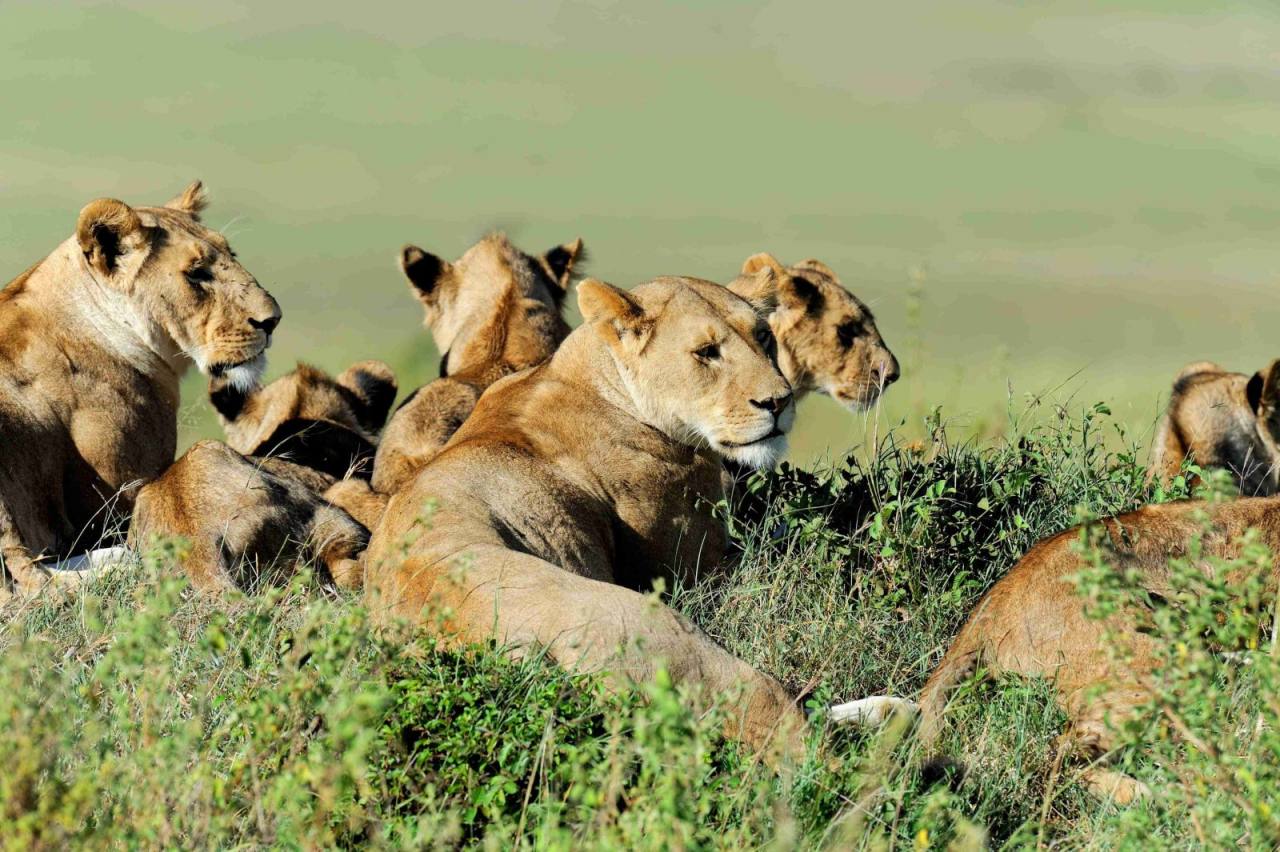
Bwindi anchors a proper Uganda circuit. Most of our itineraries pair it with Queen Elizabeth National Park — including the Ishasha sector known for its tree-climbing lions — and wind down afterwards on Lake Bunyonyi, whose terraced islands are the ideal place to let trek-weary legs recover. Built that way, gorillas become the centrepiece of a seven-to-ten-day overland safari rather than a standalone expense.
Volcanoes suits a shorter, sharper trip. From the same base you can add a golden monkey trek in the bamboo zone, and no visit to Rwanda should skip the Kigali Genocide Memorial, which gives sobering context to the country you are travelling through. A complete Rwanda gorilla itinerary fits comfortably into three to four days, which is why many guests bolt it onto a Kenya or Tanzania safari — a Maasai Mara week followed by a short hop to Kigali is one of our most requested combinations. Tell us your dates and budget on our safari planner and we will confirm permit availability before you commit to anything.
So which should you choose?
Pick Rwanda if time is your scarcest resource. The short Kigali transfer, compact itinerary and premium lodges make Volcanoes the cleanest way to see gorillas inside a long weekend or as an add-on to another safari — if you can absorb the US$1,500 permit.
Pick Uganda if budget matters or you want a fuller journey. The US$700 permit saving per person, wider lodge range and natural pairing with Queen Elizabeth and Lake Bunyonyi make Bwindi the better-value trip overall — provided you have the days and the appetite for overland travel. Bwindi also has more habituated families spread across its four sectors, which helps with permit availability in busy months.
Fitness alone should not decide it. Both parks produce short treks and long ones, and with sensible sector choice in Bwindi, a porter, and an honest conversation with us about your mobility, we place guests of widely varying fitness in front of gorillas in either country. Some travellers with time and budget simply do both — the two parks sit close enough to combine in a single trip, and comparing the forests is a pleasure of its own. Browse our destinations to see how the pieces fit together.
Frequently asked questions
How much does a gorilla permit cost in Uganda vs Rwanda?
A permit costs US$800 per foreign non-resident in Uganda's Bwindi Impenetrable National Park and US$1,500 in Rwanda's Volcanoes National Park. Both permits buy the same experience: a trek with guides and trackers and exactly one hour with a habituated gorilla family, in groups of no more than eight visitors. Permits sell out months ahead in peak season, and we secure them as part of every gorilla safari we arrange.
How fit do I need to be for gorilla trekking?
Moderately fit is enough for most treks, but be prepared for anything from under an hour to most of a day on foot. Bwindi involves steep, muddy forest ravines, while Volcanoes trades dense vegetation for higher altitude. Trackers locate the gorillas at dawn, which keeps treks efficient, and we can request shorter treks for less mobile guests. Hiring a porter, at approx. $10–20, is strongly recommended and supports local communities.
What is the minimum age for gorilla trekking?
The minimum age is 15 in both Uganda and Rwanda, and it is strictly enforced — passports are checked when permits are issued and again at the pre-trek briefing. There is no upper age limit; older trekkers regularly reach the gorillas with the help of porters and a sensibly chosen trailhead. Families with younger children can build a safari around other primate and wildlife activities while eligible members trek.
How long do you actually spend with the gorillas?
Exactly one hour, timed from the moment your group reaches the family, in both Bwindi and Volcanoes. The limit protects the gorillas from stress and human illness, and rangers enforce it along with a minimum viewing distance. A maximum of eight visitors may see each habituated family per day. The full outing takes anywhere from a couple of hours to a full day, depending on where the family is that morning.
Tell us how you like to travel and we'll hand-build the itinerary — lodges and 4×4 included.
Plan a safari