

8 Days Amboseli & Serengeti Calving Season Safari
Half a million newborn wildebeest, every predator on the plains, and Kilimanjaro on the way
8 Days Amboseli & Serengeti Calving Season Safari
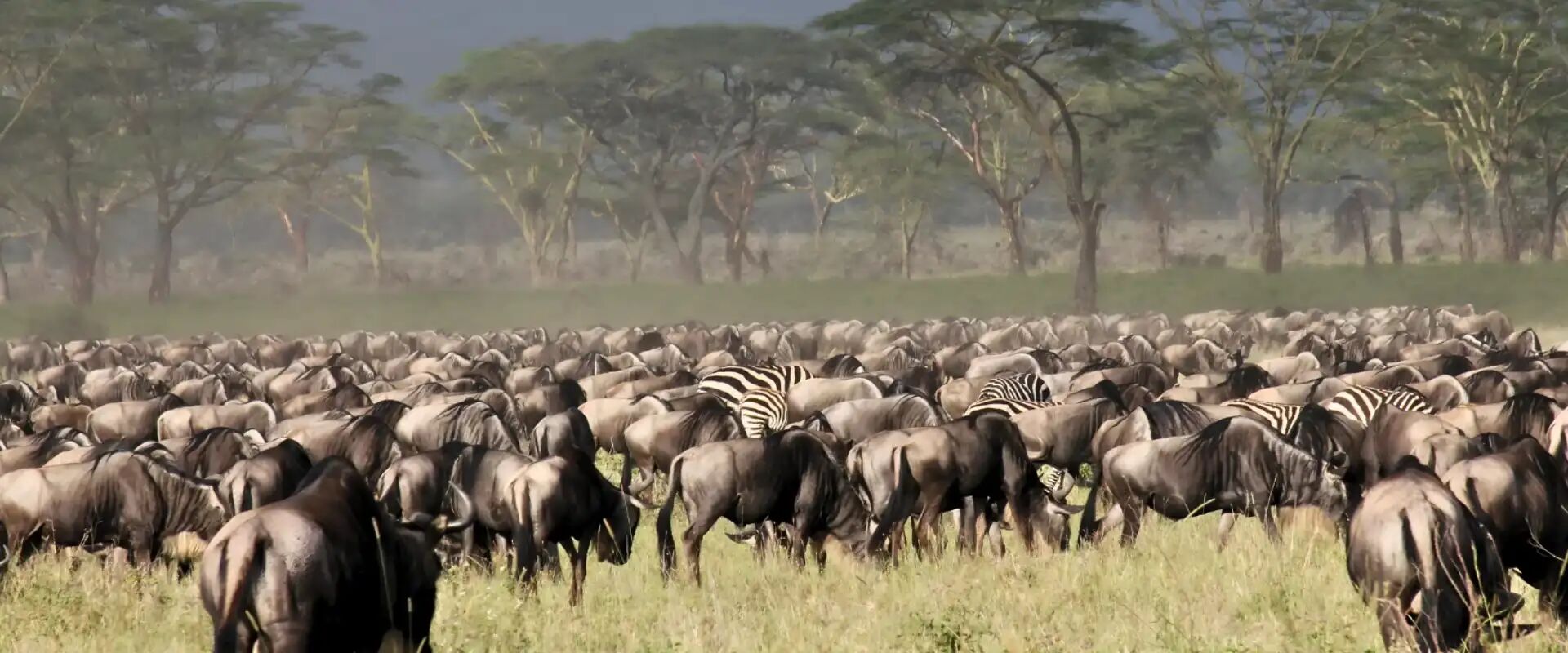
In the first months of the year, the Great Migration stops marching and starts multiplying. The herds settle on the short-grass plains around Ndutu, where the Serengeti meets the Ngorongoro Conservation Area and volcanic soils grow grass rich in the minerals that nursing mothers need. Calving peaks in February, when as many as 8,000 wildebeest can be born in a single day. A calf is on its feet within minutes and running with its mother soon after. It has to be.
That flood of new life draws every hunter on the plains. Cheetah stalk in the open, using the low grass and the element of surprise. Lion prides shadow the edges of the herds, and hyena clans work the margins in loose, whooping teams. You spend three nights in the middle of it all, following the action wherever the herds have drifted, with nothing to rush back for.
Getting there is half the pleasure. You start in Kenya's Amboseli, where elephants feed in green swamps beneath the snows of Kilimanjaro, then cross at Namanga into Tanzania for a night among Tarangire's baobabs. On the way out you pause at Olduvai Gorge, sleep high on the crater's rim and descend at first light before the drive to Arusha.
Ideal for: Travellers who would rather watch new life and fast predators on green, open plains than jostle for space at a river.
The journey in brief
After a night in Nairobi you drive south to Amboseli for an afternoon and a dawn with its elephant families and, weather permitting, Kilimanjaro's snowy summit. You cross into Tanzania at Namanga, switch to a Tanzanian vehicle and guide, and reach Tarangire in time for a late drive among the baobabs. The next day climbs through the Ngorongoro highlands and drops onto the plains at Ndutu, your base for three nights in the thick of the calving. Days follow the herds and the hunters: cheetah on the open grass, lions near the marshes, hyenas at dusk. Heading east again, you stop at Olduvai Gorge and spend a night on the crater rim, then go down to the floor at first light before driving to Arusha for your flight.
Highlights
Day by day
A Soft Landing in Nairobi
Your guide is at Jomo Kenyatta International Airport when you clear customs, ready to take you across the city to your accommodation. Spend the afternoon resting, or ease into Kenya with a late lunch and a stroll. Before dinner your guide runs through the route ahead, including the Namanga border crossing on day three, so that passports, Tanzanian visas and yellow fever certificates are ready to hand. It's also the moment to say what you most want from calving season, whether that's cheetah hunts, a birth seen up close or storm light over the plains. Your guide will shape the Ndutu days around it. An early night is wise, as tomorrow starts promptly.
Elephants Beneath the Snows
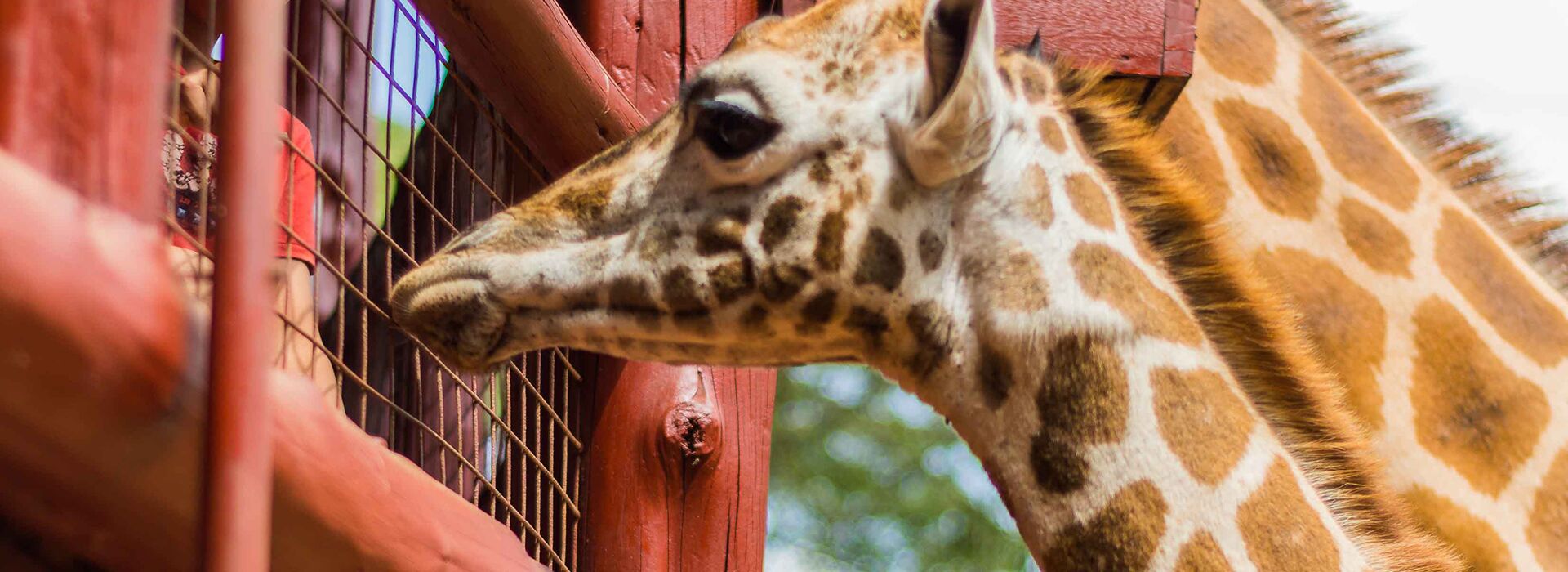
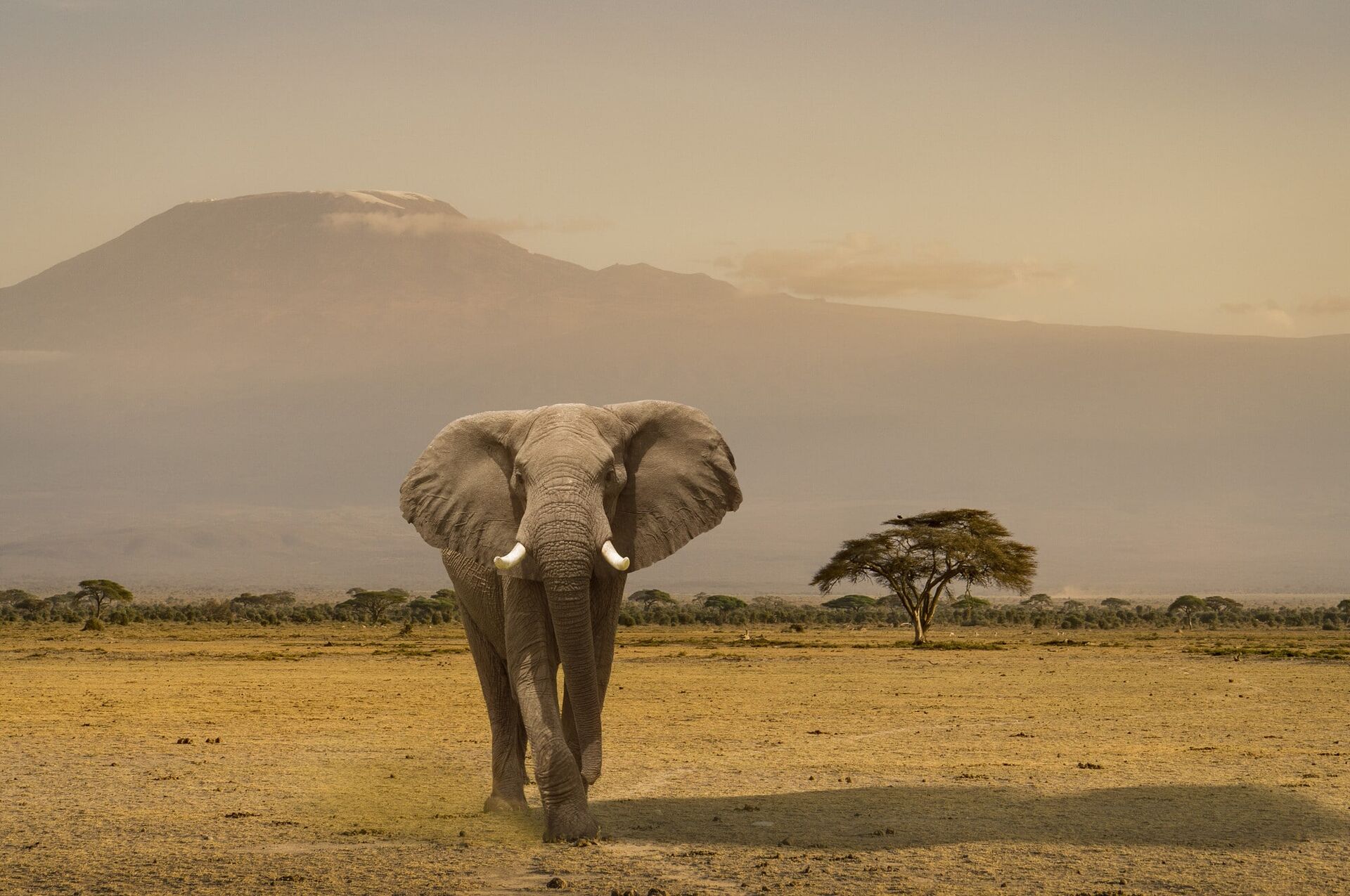
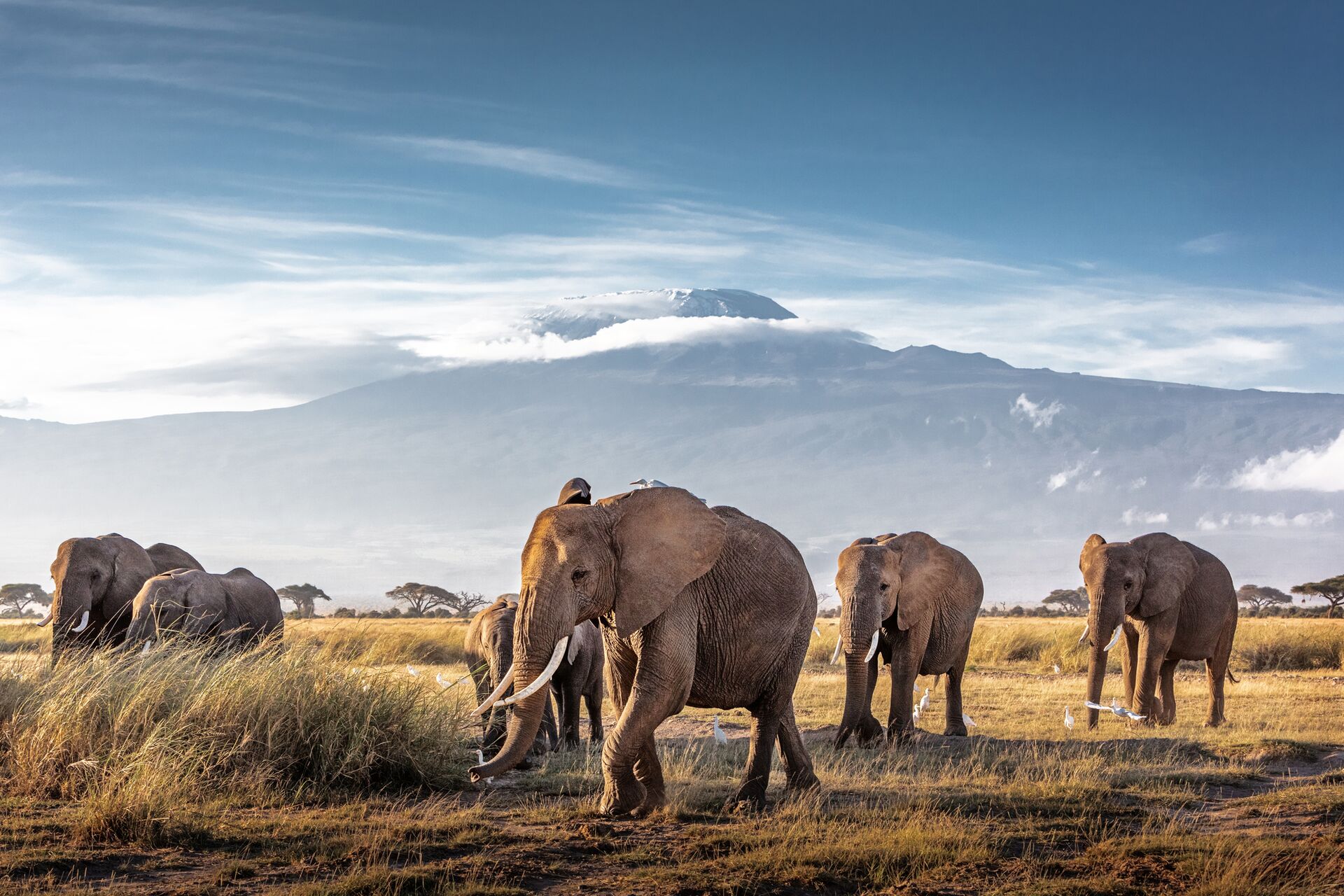
Leave Nairobi after breakfast and drive about four hours south across Maasai rangeland, watching for herders and their cattle along the way. By early afternoon you're in Amboseli, where swamps fed by water seeping down from Kilimanjaro stay green through the driest months. That water draws the park's elephants, a population researchers have followed for more than fifty years, and you may see family groups of a dozen or more wading in to feed. January and February bring a short dry spell in Kenya, and the mountain often shows itself in the clear mornings and late afternoons, its glaciers glowing above a collar of cloud. Tonight you sleep within sight of it.
Across Namanga to the Baobabs
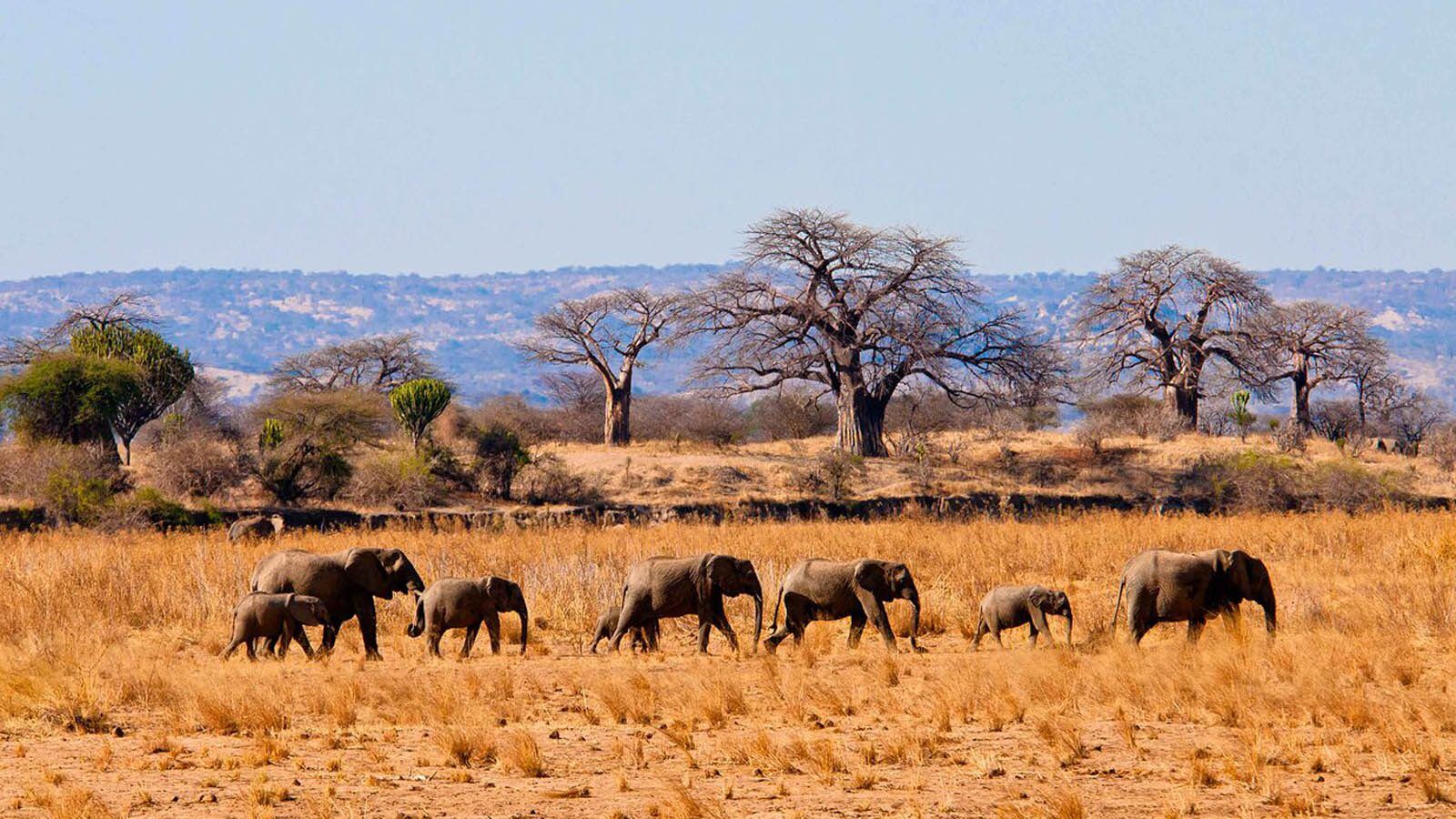
Dawn is Amboseli's best hour: still air, soft light and often the clearest view of Kilimanjaro all day. After an early game drive and breakfast you head west to Namanga, about ninety minutes away. Border formalities at the one-stop post usually take under an hour. On the Tanzanian side you meet your new guide and vehicle, then continue past Arusha and the green cone of Mount Meru to Tarangire, arriving by mid-afternoon. It's a long day on the road, and the sunset drive repays it. The rains turn Tarangire lush at this time of year and the elephant herds disperse, but the baobabs, swollen with stored water and centuries old, are no less astonishing.
Up and Over to Ndutu
A morning in Tarangire, then the road climbs. You pass through the market town of Mto wa Mbu, up the Rift Valley escarpment and into the cool, forested Ngorongoro highlands, where the route skirts the crater rim. Then the land falls away to the west and opens into a vast sweep of short grass. This is Ndutu, and in season the plains around it are speckled with wildebeest as far as you can see. You arrive in time for an afternoon drive and your first taste of the calving: knots of mothers with gangly, sandy-brown calves pressed to their flanks, and predators idling nearby with obvious interest.
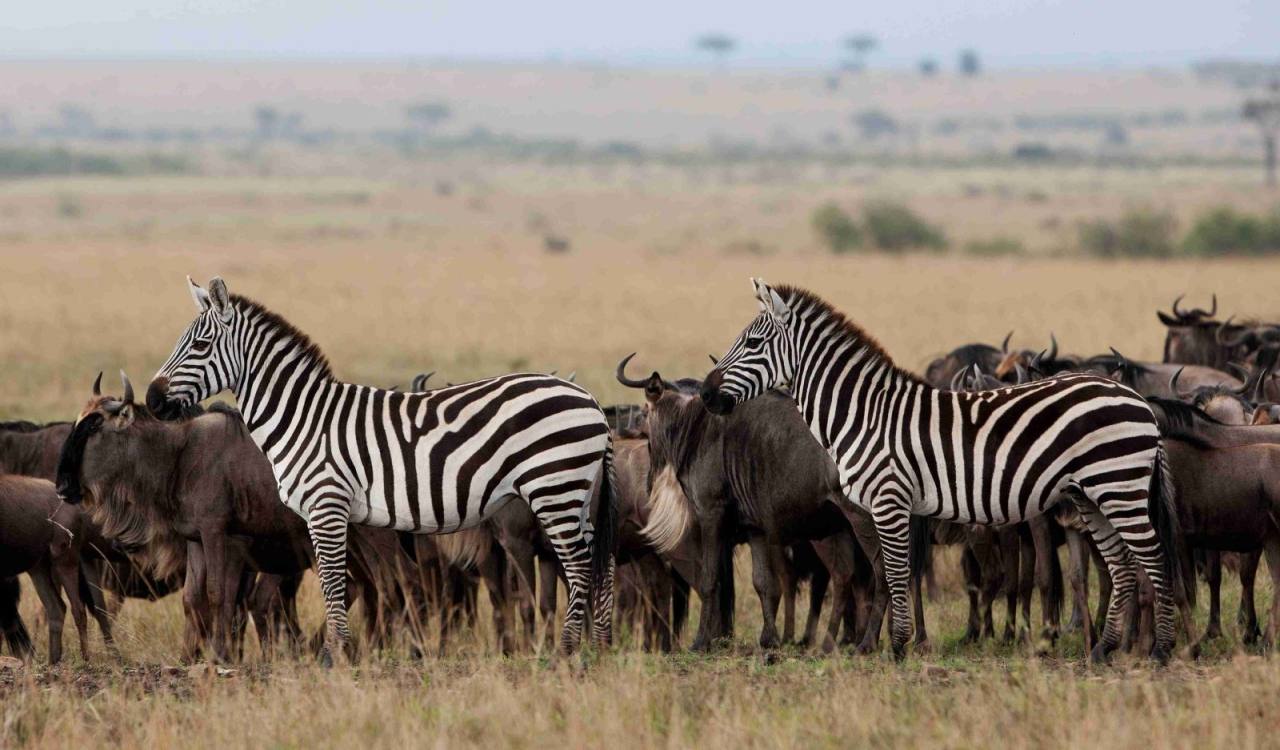
The First Minutes of a Life
Many births happen in the morning, so you set out early. Your guide scans for females lying apart from the herd, restless and lowering their heads, and positions the vehicle at a respectful distance. A wildebeest birth is quick. Within minutes the calf is struggling upright on legs that seem far too long, and soon after it's trotting at its mother's side. Speed matters here: on these plains a calf that can't keep up is a meal. You'll likely see hyenas and golden jackals testing the edges of the herd too. Lunch is taken in the field so you can stay out through the middle of the day, when the drama rarely pauses.
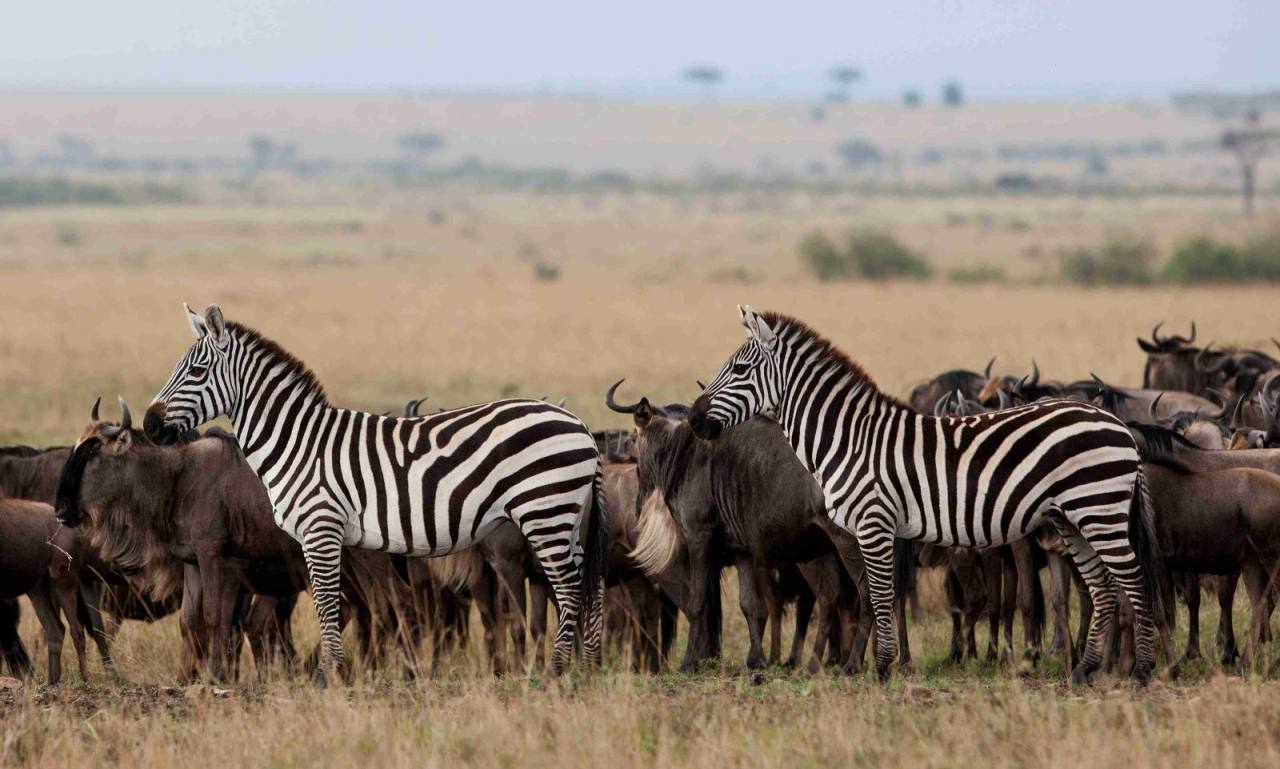
Hunters on the Short Grass
With so much easy prey about, Ndutu is one of the finest places in Africa to watch cheetah hunt. The low grass leaves them little cover, so they stalk slowly, freeze, then explode into a sprint you'll replay in your head for years. Lions are here too, often in the acacia woodland around Lake Ndutu and Lake Masek, and leopard and serval reward patient searching. Afternoon thunderstorms are common in this season, rolling across the plains in grey curtains and leaving the air rinsed and the light sharp and golden. Your guide uses those breaks in the weather to find the best photographs, and to get you back before the tracks turn slick.
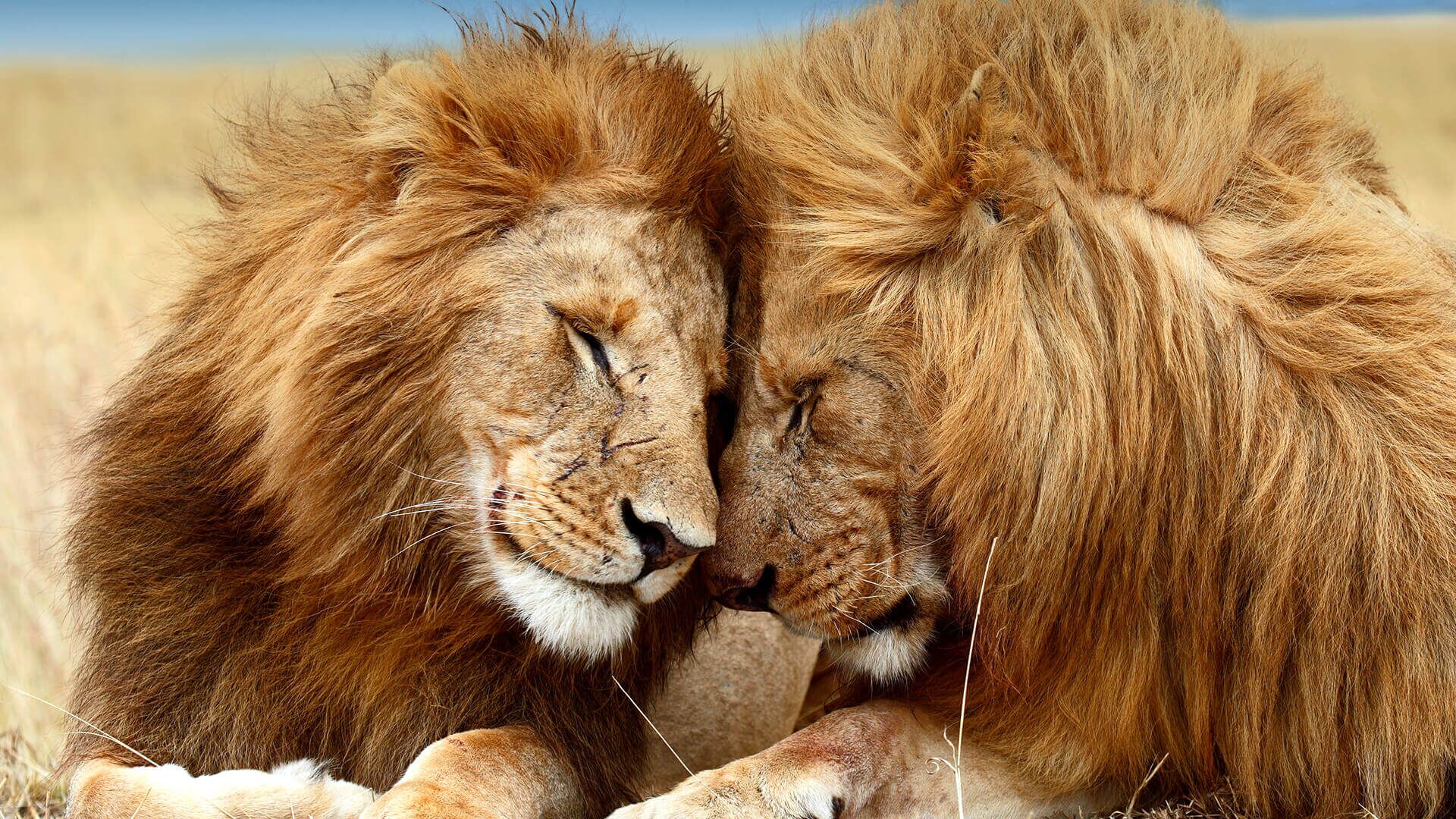
Olduvai and the Crater's Edge
Take a final morning drive among the herds, then turn east toward the highlands. On the way you stop at Olduvai Gorge, where the Leakey family's excavations uncovered fossils and stone tools close to two million years old. A small museum overlooks the gorge and puts the finds in context, and the view down into the layered rock is a lesson in deep time. From there the road climbs back into the Ngorongoro highlands, where Maasai boys drive goats through the forest margins. You spend the night high on the crater rim, so expect a crackling fire, a sharp chill after dark and a sky crowded with stars.
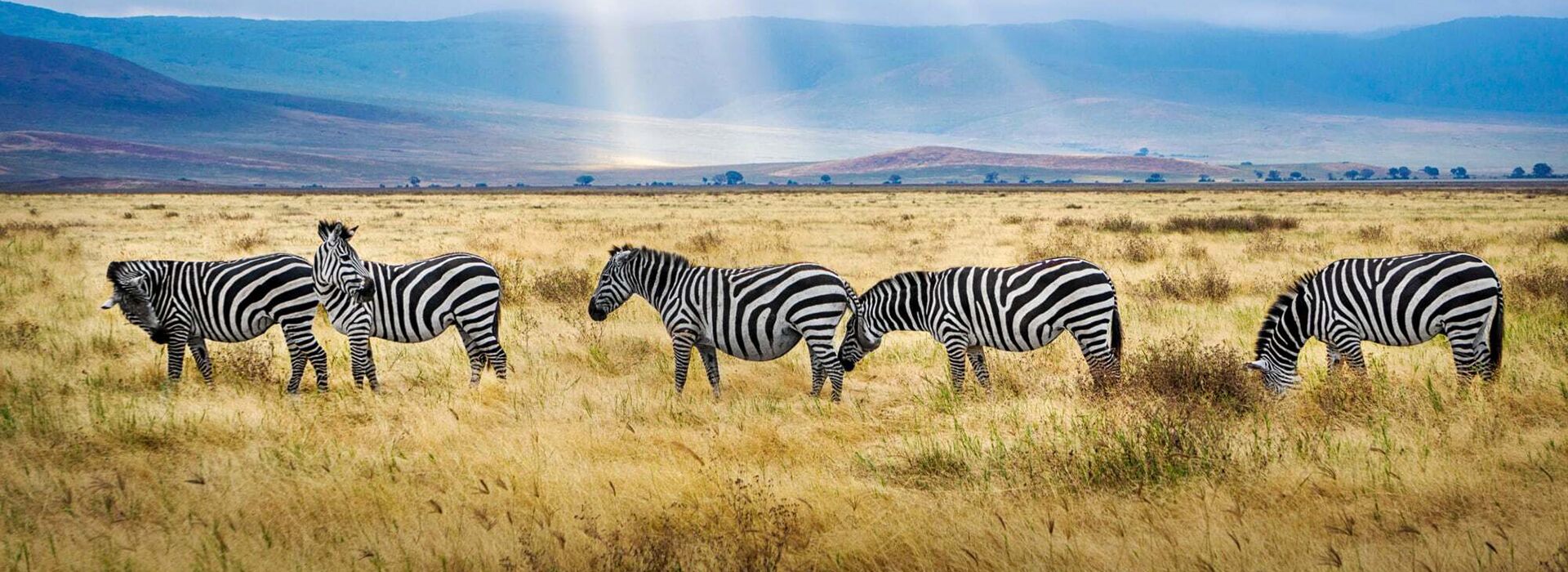
Down to the Caldera, Out to Arusha
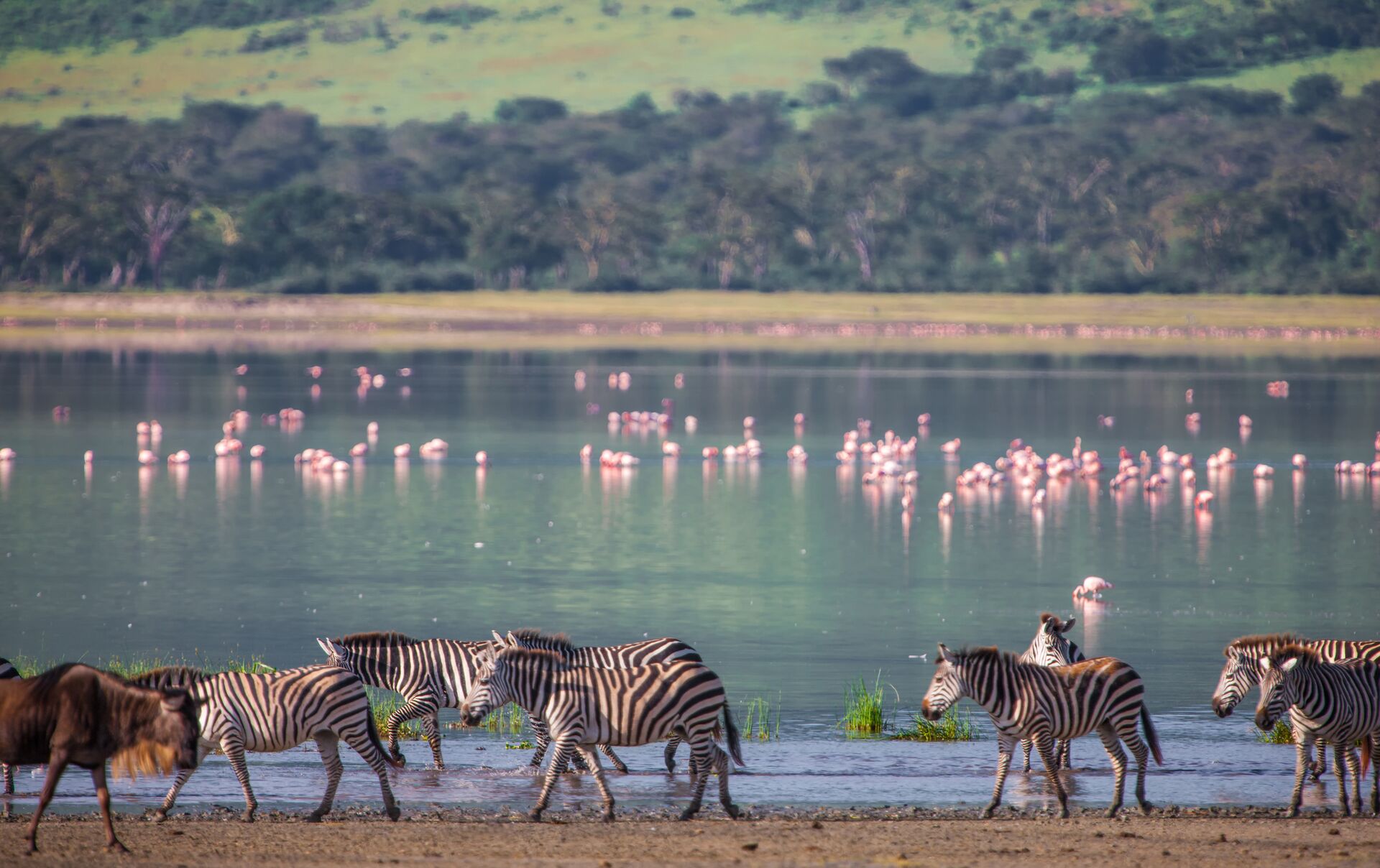
Breakfast is early so you can be among the first vehicles down the crater wall. The caldera floor, roughly 260 square kilometres of grassland, swamp and acacia woodland, holds one of the densest concentrations of large mammals in Africa. Black rhino are the prize, and your guide knows where they tend to graze. Lions, spotted hyena, buffalo and old elephant bulls are all likely, and flamingos often gather on the soda lake. After a picnic lunch you ascend the crater wall, then it's roughly three and a half hours by road to Arusha, arriving in time for an evening flight home from Kilimanjaro International Airport.
Your route
The parks, lakes and towns you'll travel through, in order.
What's included
Prices
Book as a group and the saving is applied to your quote.
Rates are per person per day, sharing a room, and cover everything under what's included. Your tailored quote confirms the final price for your dates. International flights are not included.
Frequently asked questions
Will the herds definitely be at Ndutu?
What is the weather like in calving season?
How does the Namanga border crossing work?
Is this a good trip for photographers?
Will I see predators make kills?
How long is the 8 Days Amboseli & Serengeti Calving Season Safari?
How much does the 8 Days Amboseli & Serengeti Calving Season Safari cost?
When is the best time to do the 8 Days Amboseli & Serengeti Calving Season Safari?
What is included in the 8 Days Amboseli & Serengeti Calving Season Safari?
Can this itinerary be customised?
Let's plan your safari
8 Days Amboseli & Serengeti Calving Season Safari · 8 days
Tell us when you'd like to travel and who's coming. A Geob safari specialist in Nairobi will reply within one working day with availability, a tailored quote and any changes you'd like.
- No account or payment needed to enquire
- Every itinerary can be adjusted to your dates and pace
- Prefer to talk? +254 728 136 167
You might also like
 9 days
Best seller
9 days
Best seller
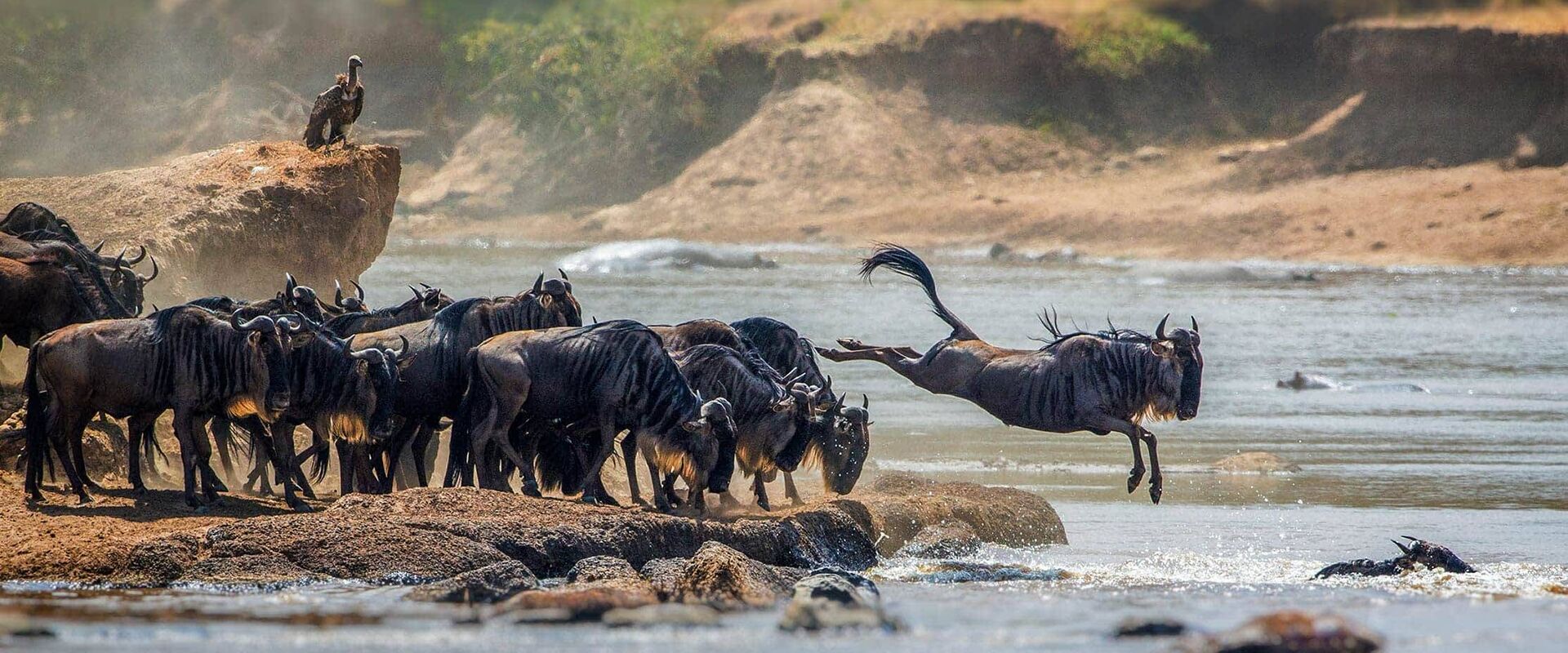
9 Days Maasai Mara & Serengeti Migration Safari
Two countries, two riverbanks, one chance to watch the herds take the plunge
 7 days
Best seller
7 days
Best seller
7 Days Amboseli, Tarangire & Ngorongoro Safari
See Africa's highest mountain from both sides on a classic first safari
 8 days
Best seller
8 days
Best seller
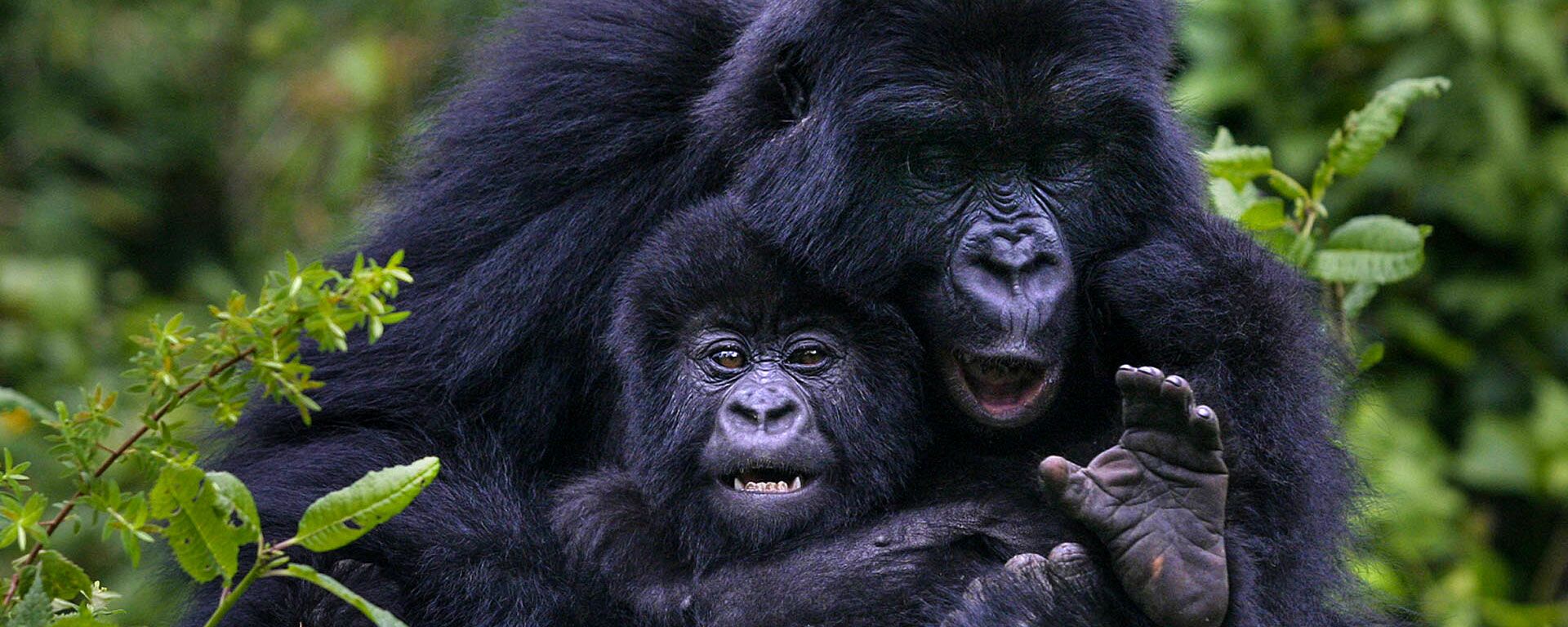
8 Days Maasai Mara & Rwanda Gorilla Safari
Big cats in the Maasai Mara, then an hour with mountain gorillas, all in eight days