

13 Days Kenya, Tanzania & Rwanda Safari
Follow the migration from the Mara to the Serengeti, descend into Ngorongoro, then meet gorillas
13 Days Kenya, Tanzania & Rwanda Safari
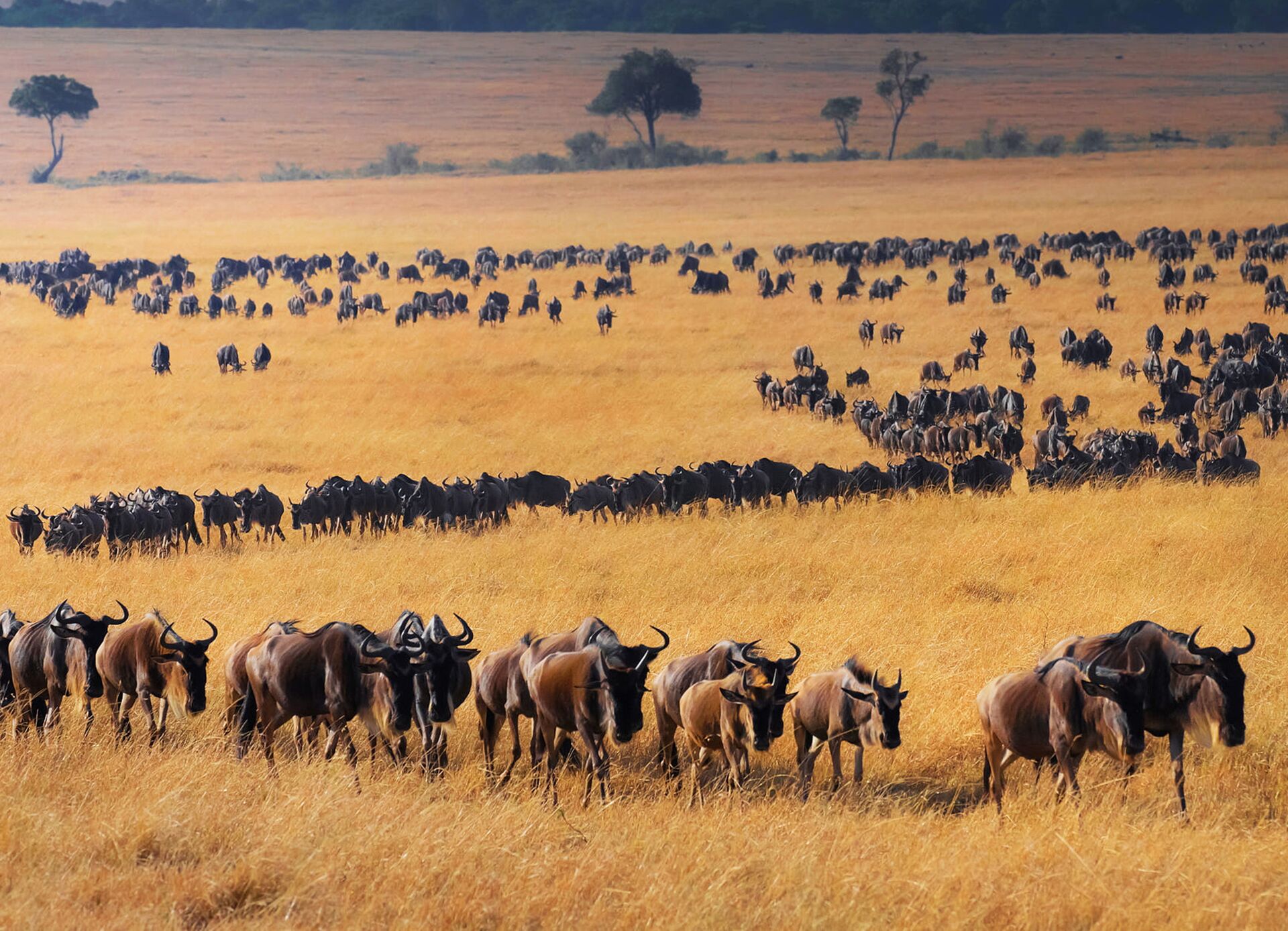
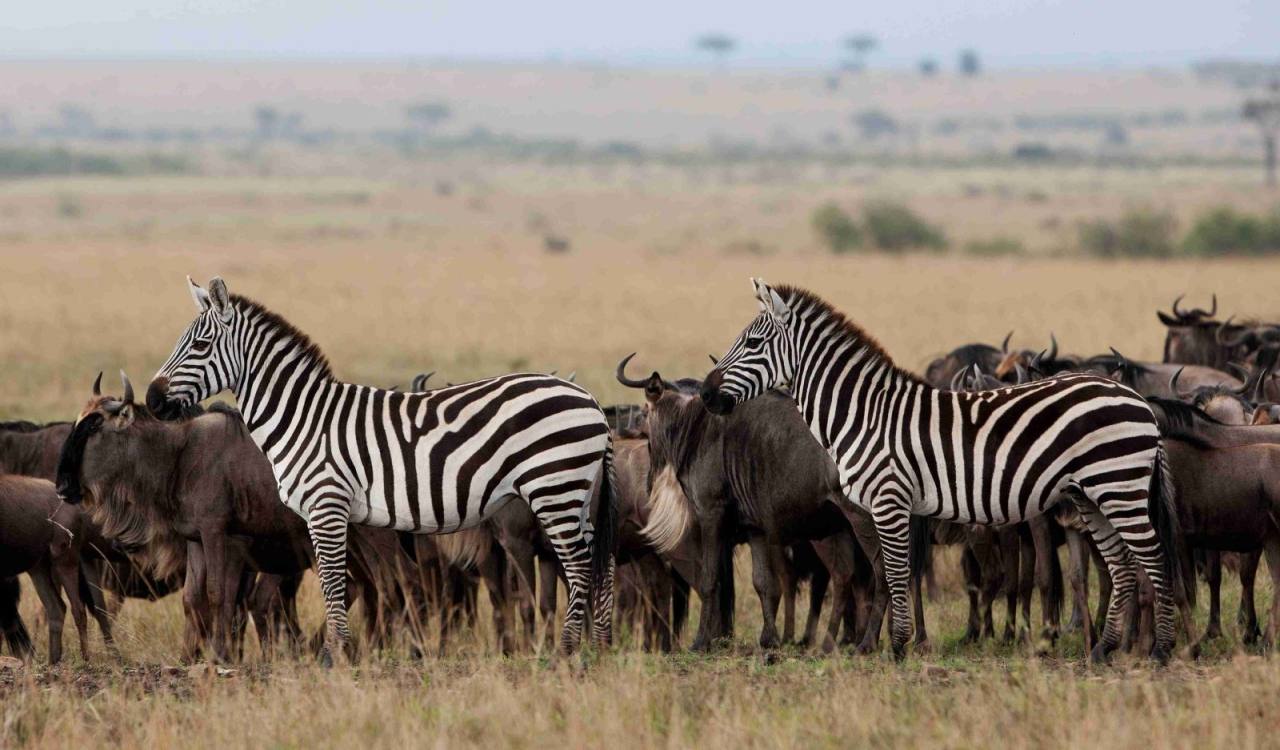
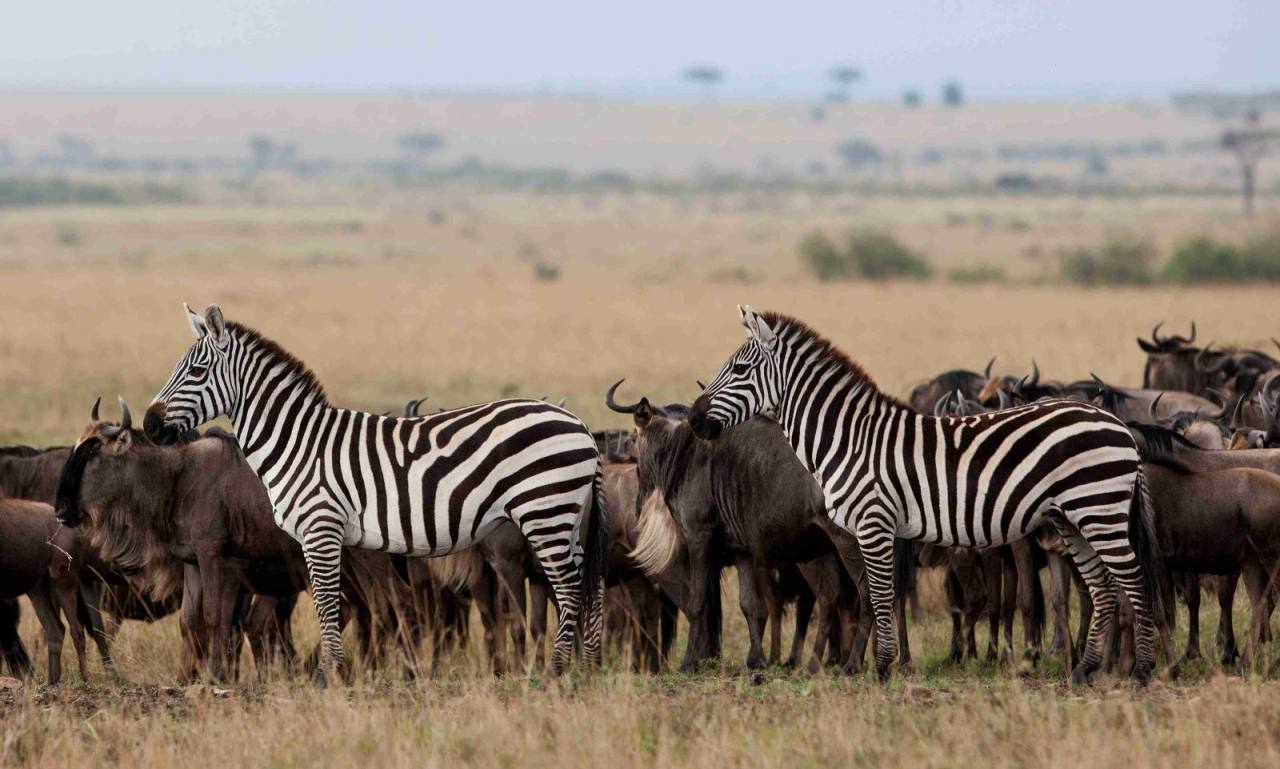
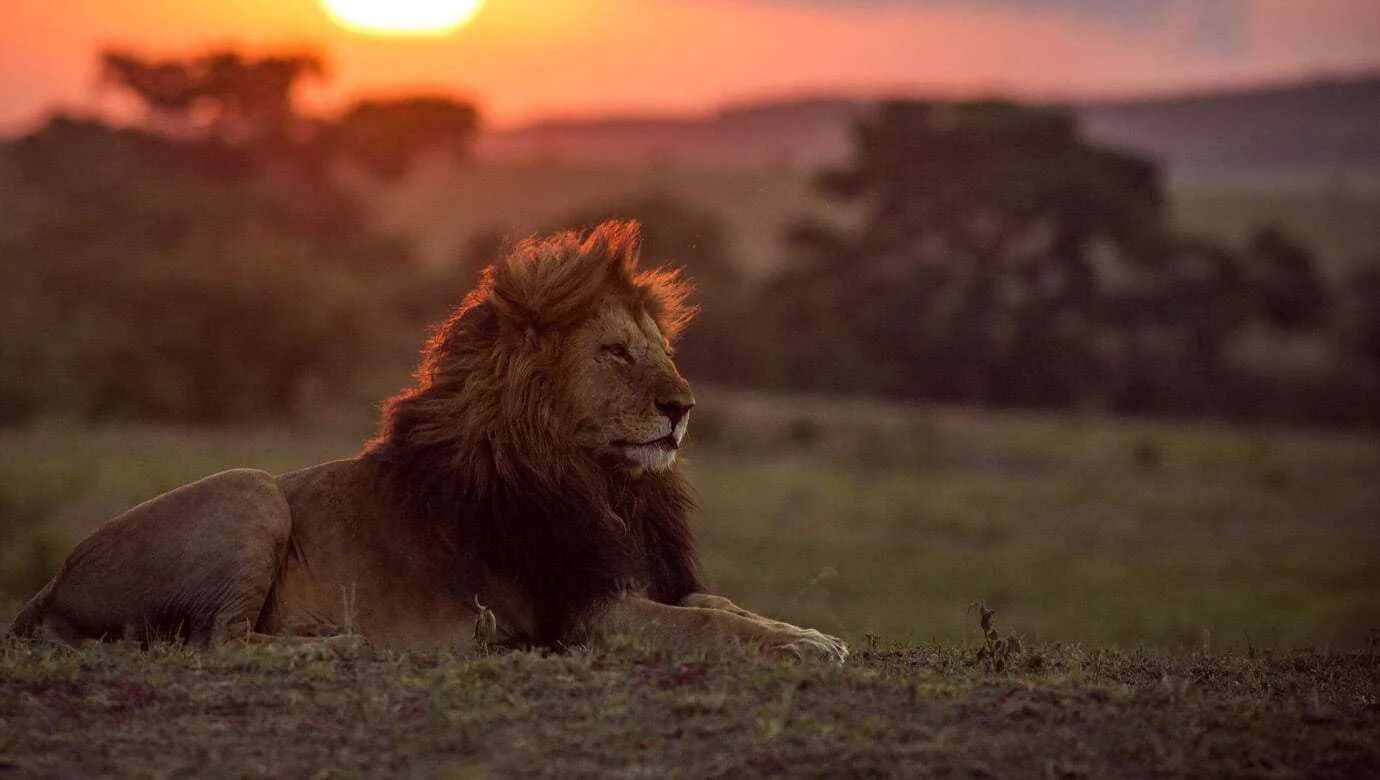
Few journeys pack in this much. You begin in Kenya's Maasai Mara at the height of migration season, when hundreds of thousands of wildebeest and zebra pour across the plains and mass on the steep banks of the Mara River. Three nights here give you time to wait for a crossing, and to enjoy the lions, cheetahs and leopards that shadow the herds.
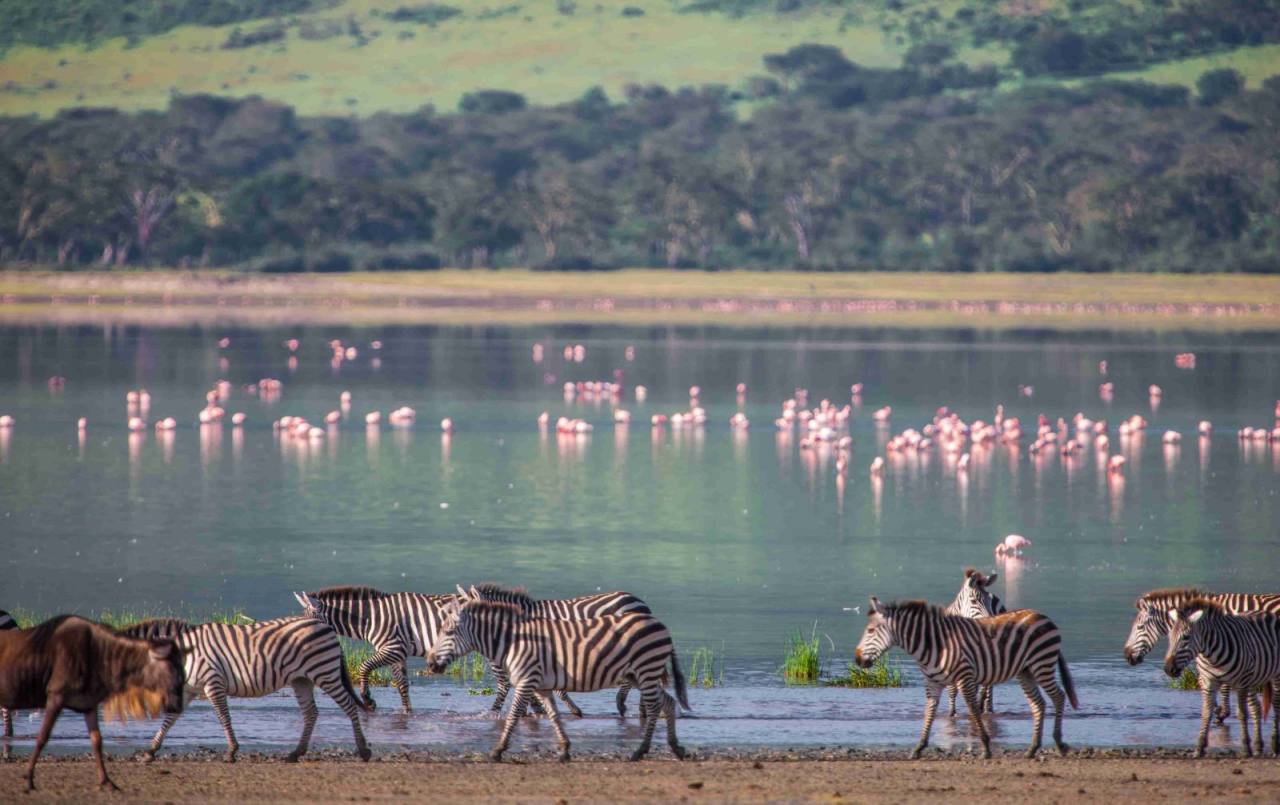
Then you cross into Tanzania by light aircraft and border post, picking up the same river from the Serengeti side, where crossing points draw far fewer vehicles. A day's drive south through the park leads to the kopjes and acacia country of the central Serengeti, and from there to the rim of the Ngorongoro Crater, a collapsed volcano whose floor holds black rhino, heavy-maned lions and a flamingo-fringed soda lake.
The final act moves to Rwanda. From Kilimanjaro International Airport you fly via Nairobi to Kigali, pause at the Kigali Genocide Memorial, then drive into the mountains of Volcanoes National Park for a gorilla trek, with your permit already secured, plus a morning among golden monkeys. Three countries, two great ecosystems and one hour in the bamboo that you will still be describing years from now.
Ideal for: First-timers with two weeks who want the full East African sweep: the Great Migration on both sides of the border, the Ngorongoro Crater and a gorilla trek.
The journey in brief
From Nairobi, a light aircraft takes you to the Maasai Mara, where you spend three migration-season nights close to the Mara River. On day five a light aircraft, a road transfer through the Isebania-Sirari border and a second flight bring you to the northern Serengeti for two nights of crossings. You then drive south through the park to the central Serengeti, continue past Olduvai Gorge to the Ngorongoro Crater rim, and descend to the crater floor the next morning before driving to Arusha. On day ten you fly from Kilimanjaro via Nairobi to Kigali. After the Kigali Genocide Memorial you head to Volcanoes National Park, trek to a gorilla family, and track golden monkeys on the final morning before flying home.
Highlights
Day by day
Nairobi, Where It All Begins
Your grand tour opens at Jomo Kenyatta International Airport, where your Geob Ventures guide meets you after immigration and drives you to your hotel. If you arrive with time to spare, the Karen Blixen Museum, the farmhouse below the Ngong Hills made famous by Out of Africa, makes a gentle first outing. Otherwise, simply rest. Over dinner your guide spreads out the map and traces the route ahead, from the Mara River to the Ngorongoro Crater and on to the volcanoes of Rwanda. One rule matters for the morning: every light aircraft on this trip takes soft bags of no more than 15 kg per person, so repack before you sleep.
Into Migration Country
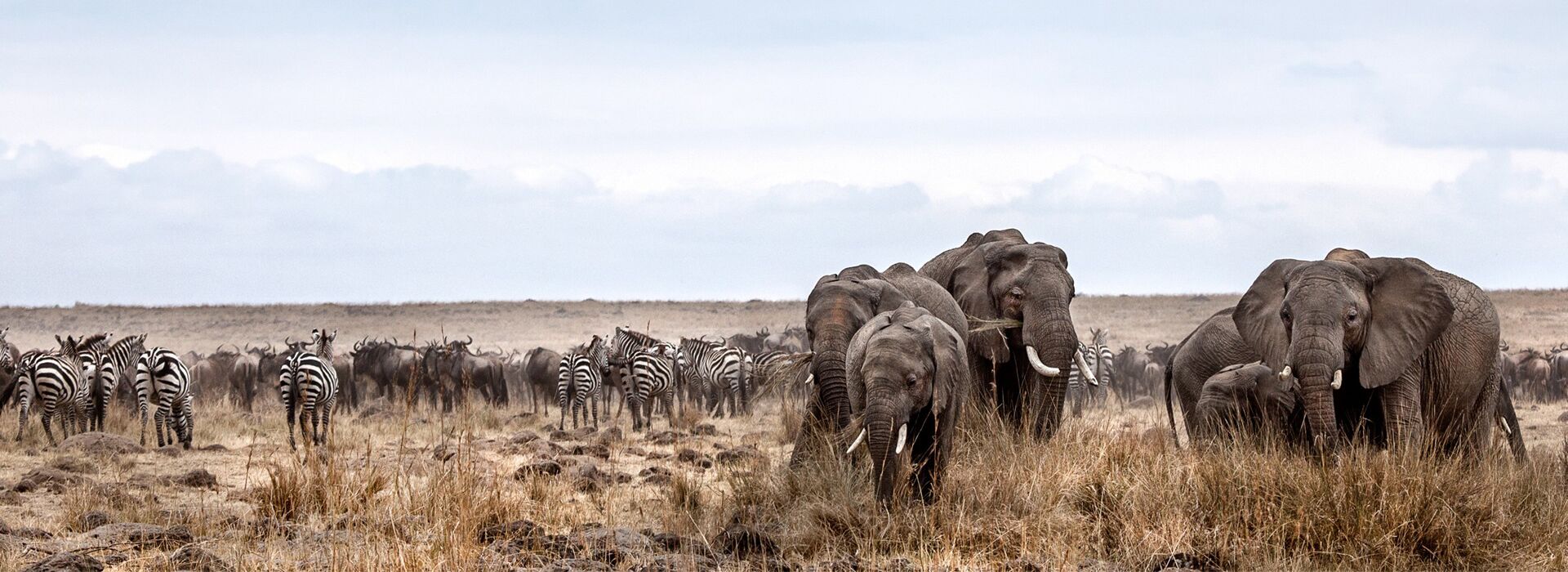
A morning flight from Wilson Airport sweeps you over the Rift Valley to the Maasai Mara, where your guide is waiting at the airstrip with binoculars, cool water and the latest news on where the herds are. Between July and October the plains here can be dark with wildebeest from one horizon to the other, the air full of their nasal grunting and the dust of their passing. Your base for three nights is close to the Mara River, which means less driving and more time waiting in the right place. This afternoon's drive is about orientation: the lie of the land, the main crossing points and the first of many lions.
The Long Wait at the River
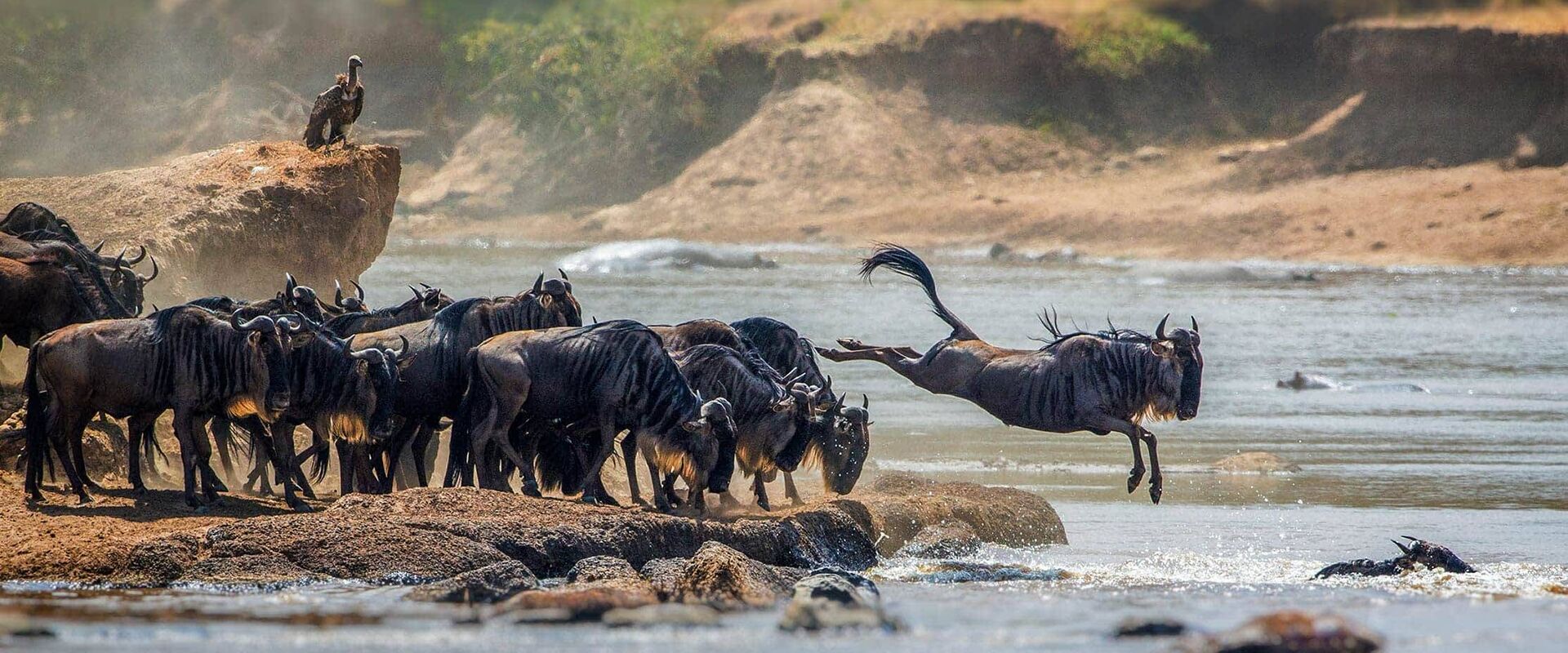
Crossings can't be scheduled. Herds gather on the bank, edge forward, lose their nerve and wander off, sometimes for hours. Then one animal leaps, and thousands follow in a roaring, splashing torrent while crocodiles slide in from the deep water. Your guide positions you with a clear view and, just as importantly, with patience: today you take a picnic and stay out all day, moving between crossing points as the herds shift. Game drives inside the national reserve keep to its tracks, and rangers hold vehicles back from the riverbanks so the animals can cross. Even without a crossing, the river delivers hippos, basking crocodiles and the predators that patrol the herds.
Cats on the Move
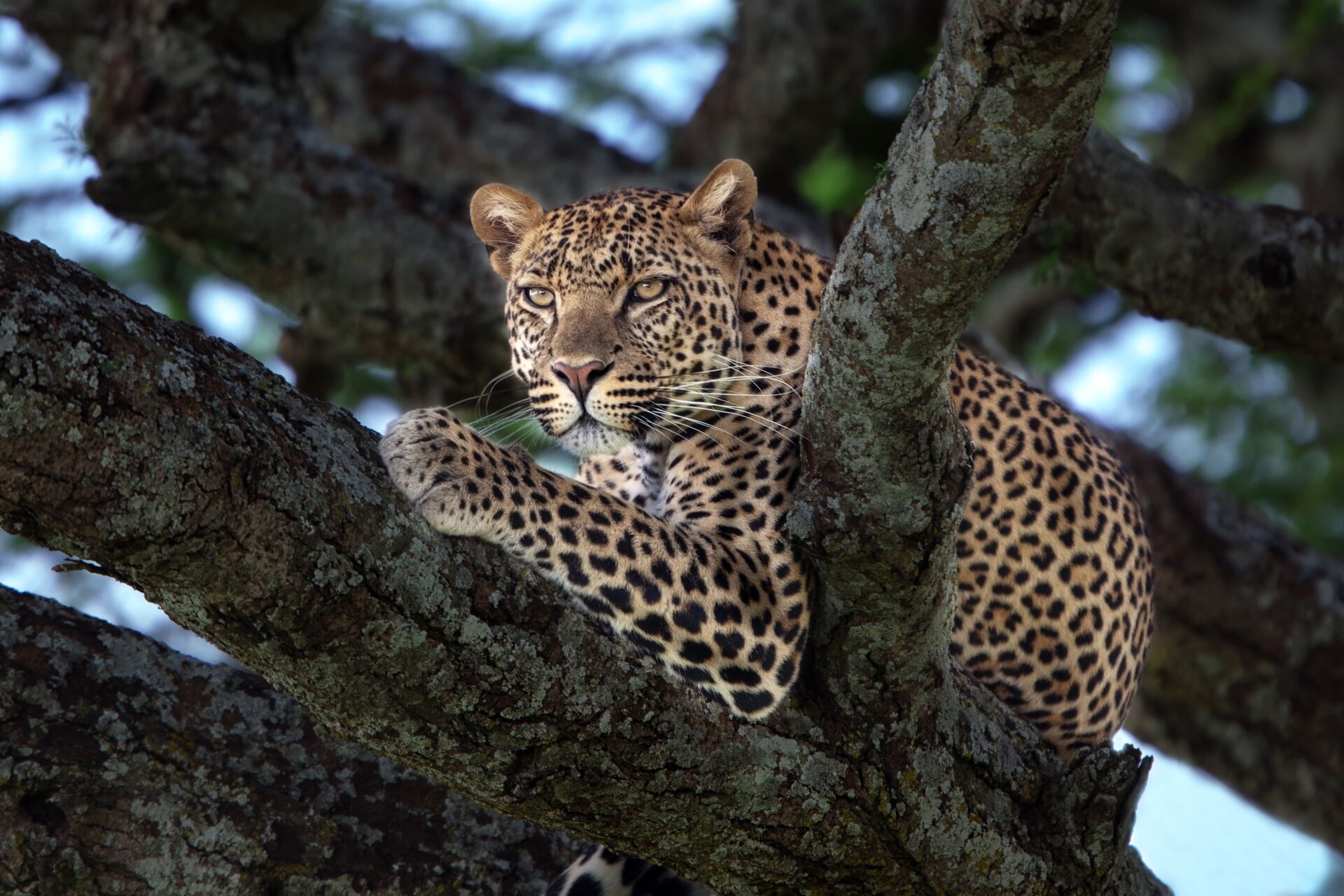
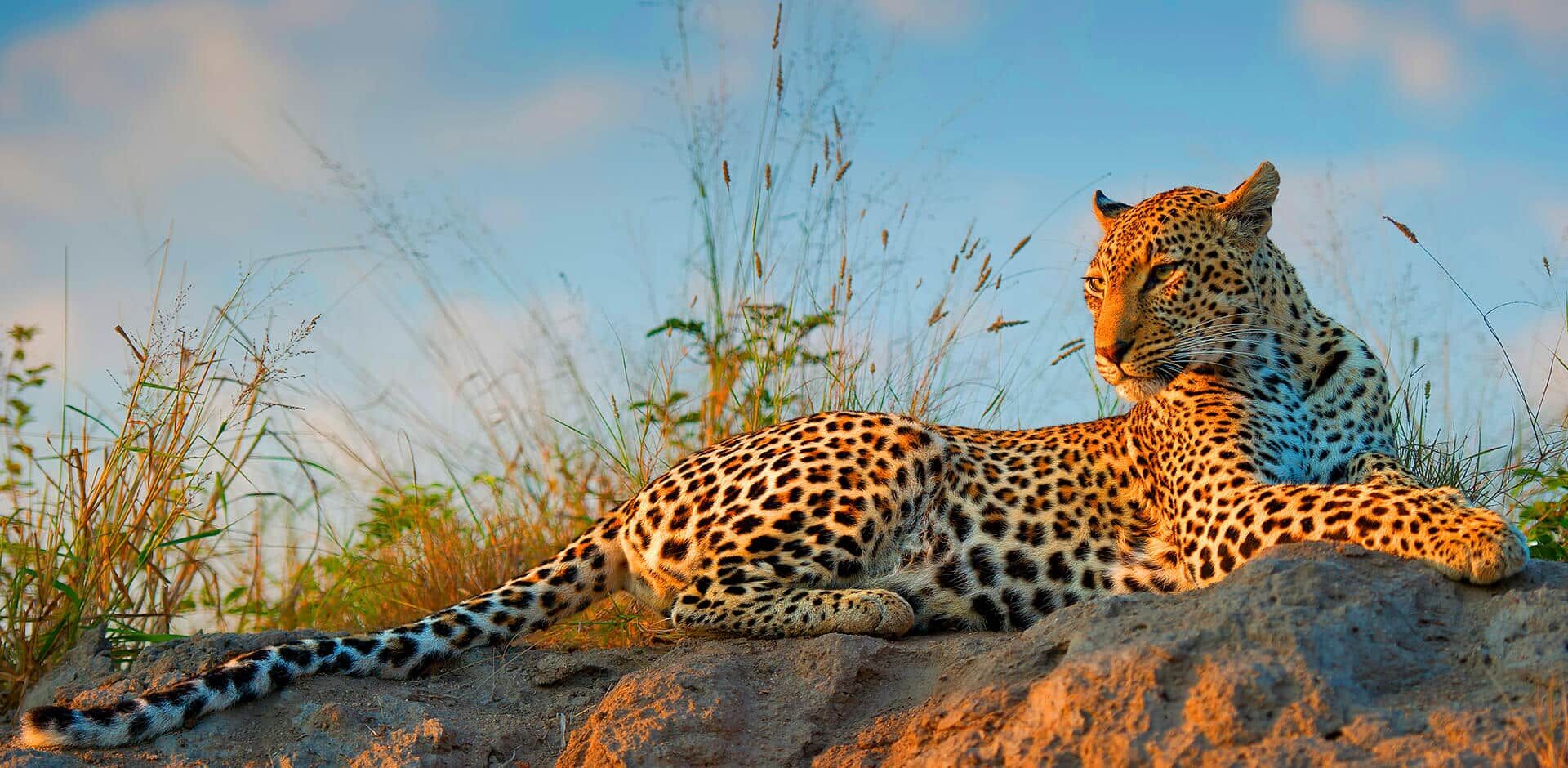
With the herds in residence, predators are everywhere. This morning you follow the cats: lion prides that feast and then doze for days, cheetahs using termite mounds as lookouts and, if luck is with you, a leopard stretched along a sausage tree beside a dry lugga, its kill wedged above the reach of hyenas. Anyone who likes can start the day with a balloon flight, watching the long columns of wildebeest from above before a bush breakfast. In the afternoon, visit a Maasai homestead to hear how families here share their grazing with wildlife, then close your Kenyan chapter with a sundowner on the plains.
Mara to Serengeti by Air and Border Post
Today's crossing is a small adventure in itself. A light aircraft flies you from the Mara to Migori in western Kenya, where a driver takes you to the Isebania-Sirari border post to clear Kenyan exit and Tanzanian entry; have your Tanzanian e-visa printed and ready. On the far side, a Tanzanian light aircraft carries you on to Kogatende in the northern Serengeti, where your new guide is waiting. The Mara River runs straight through this corner of the park, and the herds you watched in Kenya cross back and forth here too. Settle in over lunch, then head out for an afternoon drive along the river's wooded banks.
The Serengeti's Northern Edge
The northern Serengeti is wilder and quieter than the Kenyan side, with far fewer vehicles at each crossing point. You spend the whole day exploring with a picnic lunch, from the rocky hills of the Lamai Wedge, the slice of park between the river and the Kenyan border, to the open plains south of Kogatende. Crossings here can be dramatic, with steep banks and enormous crocodiles. Away from the river, look for elephants among the hills, giraffes browsing the acacias and lion prides grown heavy on the season's easy hunting. After dinner, step outside: no town lights for miles, a sky crowded with stars and wildebeest calling in the dark.
Driving the Heart of the Serengeti
Today is a long, rewarding traverse south through the park, about six hours of driving with plenty of stops. The landscape changes as you go: the rolling hills of the north give way to granite outcrops known as kopjes, then to the wide, tree-dotted valleys of the central Serengeti along the Seronera River. This is prime big cat country all year round, and leopards are often found resting in sausage trees and yellow-barked acacias along the watercourses. Lunch is a picnic beneath an umbrella thorn. You reach the central Serengeti in the late afternoon, in time for a cold drink as the sun drops behind the kopjes.
Olduvai and the Crater Rim
An early drive around the Seronera valley gives you one more chance at the area's leopards and lions before breakfast. Then you head southeast across the short-grass plains, leaving the park at Naabi Hill, where the land flattens to the horizon. A stop at Olduvai Gorge introduces the fossil finds that put this region at the centre of the story of human origins, with a small museum overlooking the gorge itself. The road then climbs through the Ngorongoro Conservation Area, where Maasai herders graze cattle alongside zebra, to the crater rim at around 2,300 metres. Evenings up here are cool, so bring a fleece to dinner.
Down into the Caldera
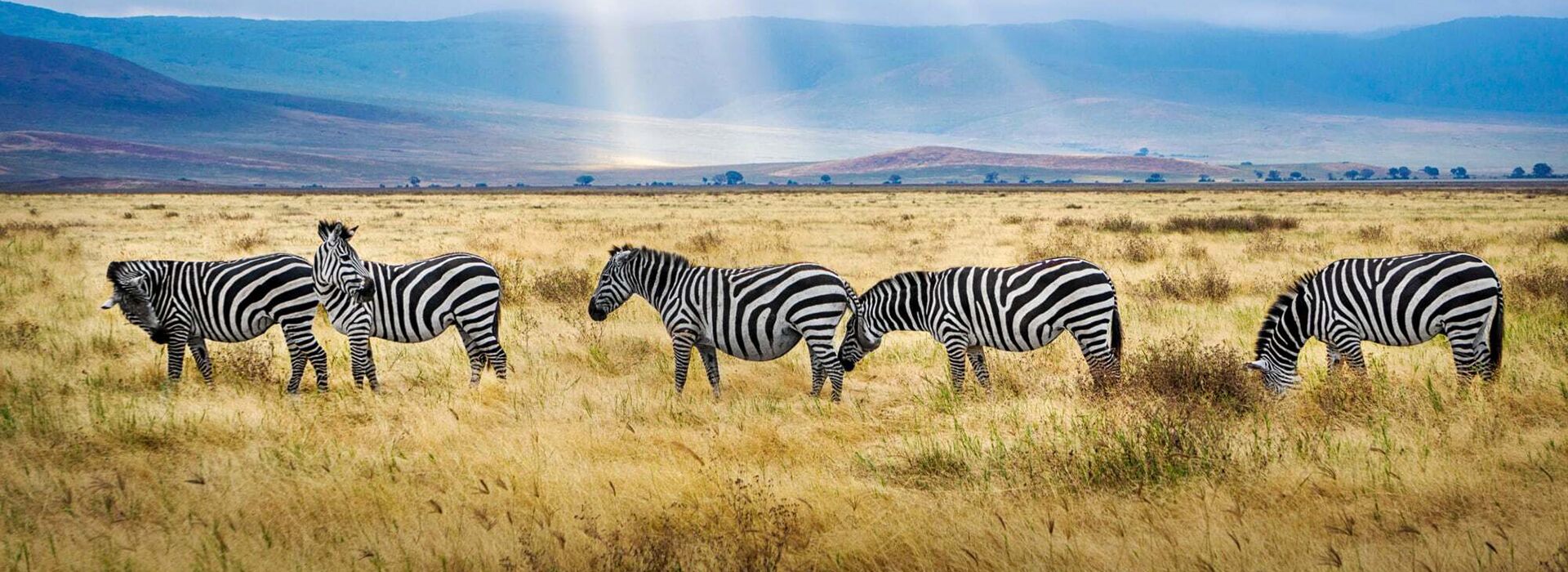
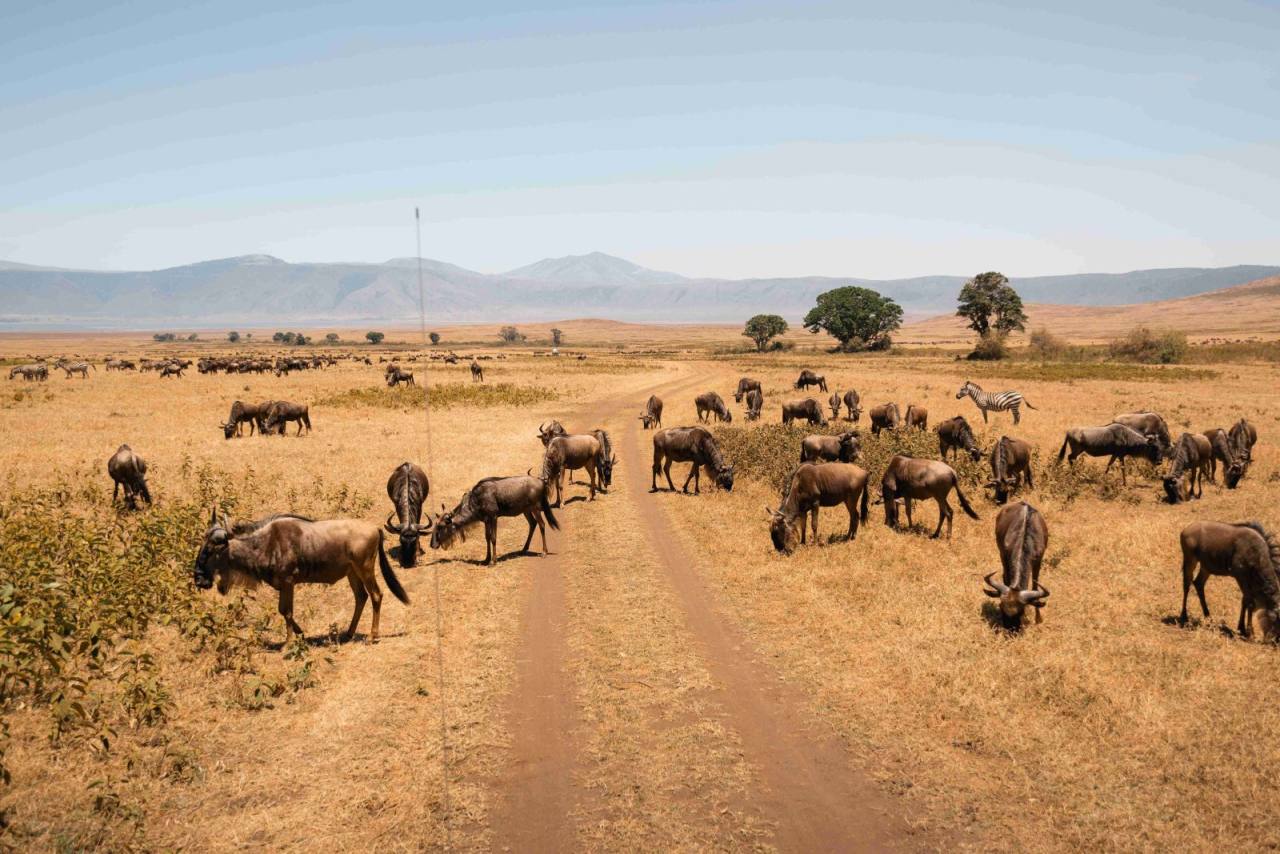
Leave at first light, coffee in hand, and wind down the steep descent road to the crater floor, about 600 metres below the rim. The caldera is a self-contained world roughly 20 kilometres across, offering some of Tanzania's best chances of seeing black rhino, along with lions, spotted hyenas, buffalo and big herds of zebra and wildebeest. In many months flamingos tint the shallows of the soda lake pink, and old bull elephants browse the fever-tree forest. After a picnic beside a hippo pool, you climb out and drive about three and a half hours to Arusha, a lively town at the foot of Mount Meru.
From Kilimanjaro's Shadow to Kigali
A relaxed morning in Arusha, perhaps with a walk through a coffee farm on the town's green outskirts, before the hour-long drive to Kilimanjaro International Airport. On a clear day, the ice-capped summit of Kilimanjaro floats above the plains as you take off. You connect in Nairobi for the short flight to Kigali, landing in the evening and setting your watch back an hour to Central Africa Time. Rwanda bans plastic bags, and that includes any in your luggage, so leave them behind in Tanzania. In the arrivals hall your Rwandan guide is waiting to take you to your hotel for a late, easy dinner after a long day of travel.
Kigali's Memory, the Mountains' Welcome
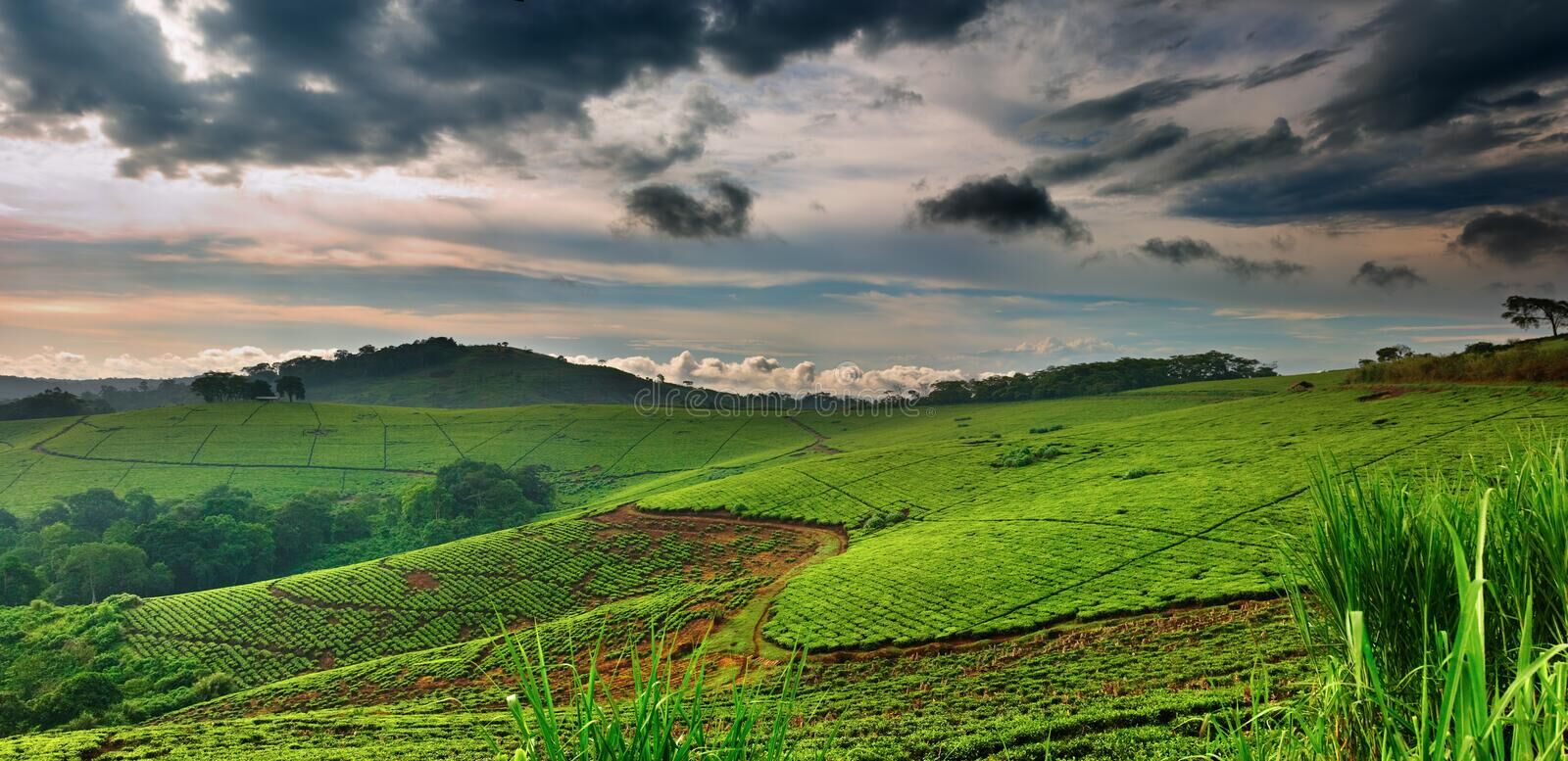
Your morning begins at the Kigali Genocide Memorial on the hillside of Gisozi, the resting place of more than a quarter of a million people. Through photographs, testimony and personal belongings, it tells the story of the 1994 genocide against the Tutsi and of the country's long work of reconciliation since. It is emotional, and your guide will give you all the time you need. After lunch in the city, you drive north for about two and a half hours on a road that twists through tea, bananas and terraced fields to Volcanoes National Park. The volcanoes rise ahead in the afternoon light, and the evening is quiet, with a briefing on tomorrow's trek.
Face to Face in the Bamboo
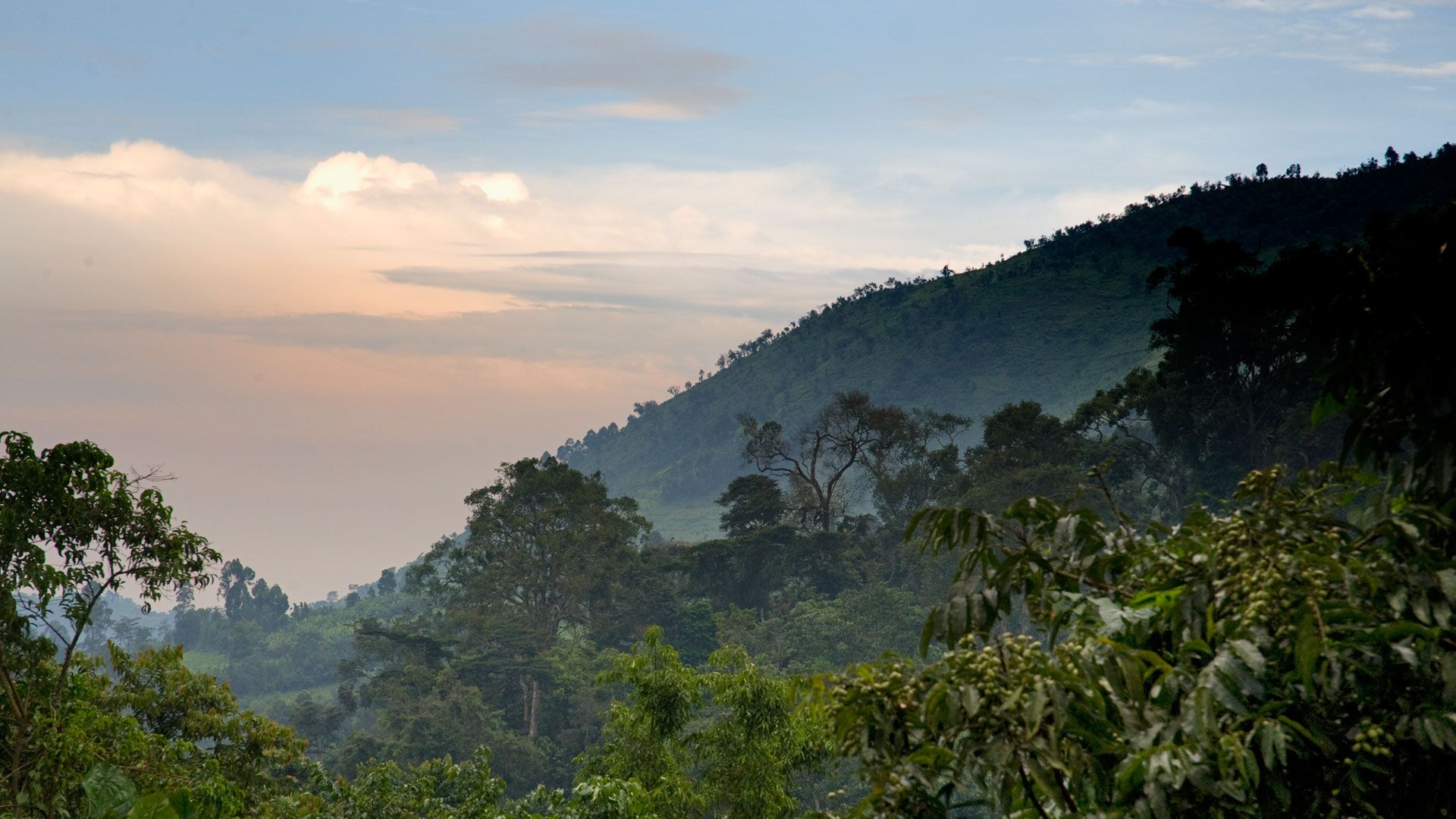
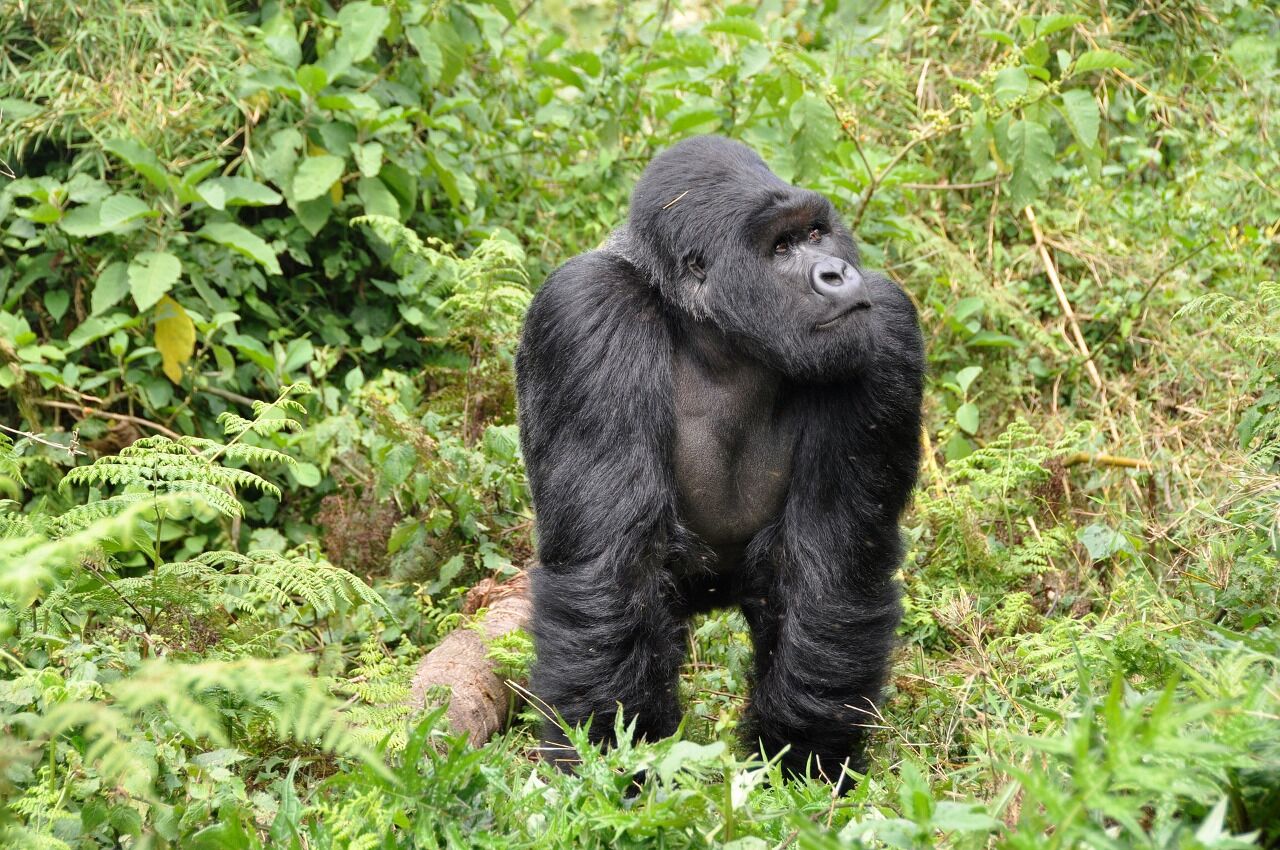
The 7 am briefing at Kinigi sets the tone: quiet voices, walking sticks handed out, trekkers matched to a habituated gorilla family. Your permit is already secured. You hike out through smallholdings where farmers wave from their fields, step over the stone wall into the park, and follow the trackers through bamboo and hagenia trees hung with moss. The walk may take an hour or the whole morning. When you arrive, your hour with the gorillas goes quickly: a silverback's slow, appraising look, the crunch of bamboo stems, a youngster beating its chest at nobody in particular. In the afternoon, rest your legs or explore the Musanze caves.
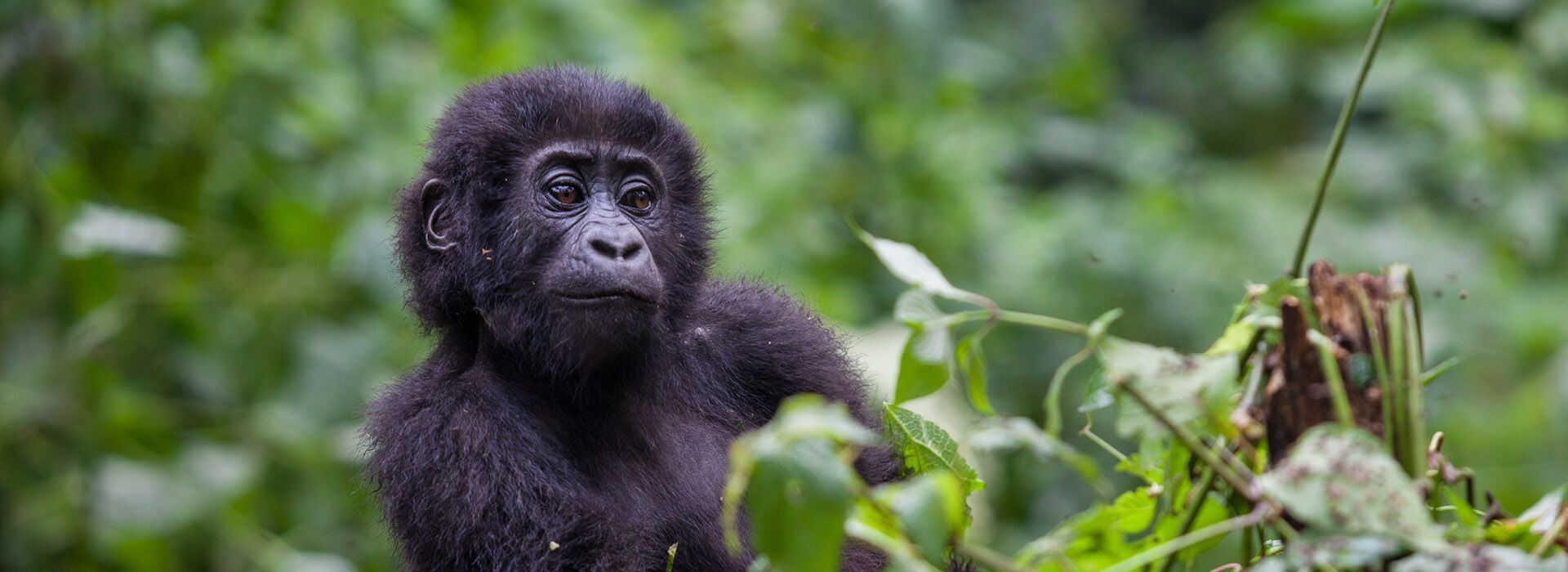
Last Morning in the Virungas
Your last morning in the mountains belongs to the golden monkeys. A shorter, gentler walk than yesterday's brings you into a bamboo grove where a troop is feeding, and soon there are monkeys everywhere: on the ground, in the stems, leaping overhead in flashes of orange and black. They rarely sit still, so keep your camera ready and your shutter speed high. After lunch, the road takes you back to Kigali in about two and a half hours, past roadside stalls piled with potatoes and passion fruit. Your guide drops you at the airport for your flight home, thirteen days and three countries after you first landed in Nairobi.
Your route
The parks, lakes and towns you'll travel through, in order.
What's included
Prices
Book as a group and the saving is applied to your quote.
Rates are per person per day, sharing a room, and cover everything under what's included. Your tailored quote confirms the final price for your dates. International flights are not included.
Frequently asked questions
Which visas do I need for this route?
Will we definitely see a river crossing?
How does the Kenya to Tanzania crossing work?
What is the luggage limit?
How fit do I need to be for the gorilla trek, and is there an age limit?
How long is the 13 Days Kenya, Tanzania & Rwanda Safari?
How much does the 13 Days Kenya, Tanzania & Rwanda Safari cost?
When is the best time to do the 13 Days Kenya, Tanzania & Rwanda Safari?
What is included in the 13 Days Kenya, Tanzania & Rwanda Safari?
Can this itinerary be customised?
Let's plan your safari
13 Days Kenya, Tanzania & Rwanda Safari · 13 days
Tell us when you'd like to travel and who's coming. A Geob safari specialist in Nairobi will reply within one working day with availability, a tailored quote and any changes you'd like.
- No account or payment needed to enquire
- Every itinerary can be adjusted to your dates and pace
- Prefer to talk? +254 728 136 167
You might also like
 9 days
Best seller
9 days
Best seller
9 Days Maasai Mara & Serengeti Migration Safari
Two countries, two riverbanks, one chance to watch the herds take the plunge
 14 days
Best seller
14 days
Best seller
14 Days Kenya & Tanzania Big Five Safari
Fourteen days and seven great parks, from Samburu's desert rivers to Tarangire's baobabs
 12 days
Best seller
12 days
Best seller
12 Days Maasai Mara & Uganda Gorilla Safari
Mara lions, Kibale chimps and Bwindi gorillas, linked by light aircraft over twelve days