

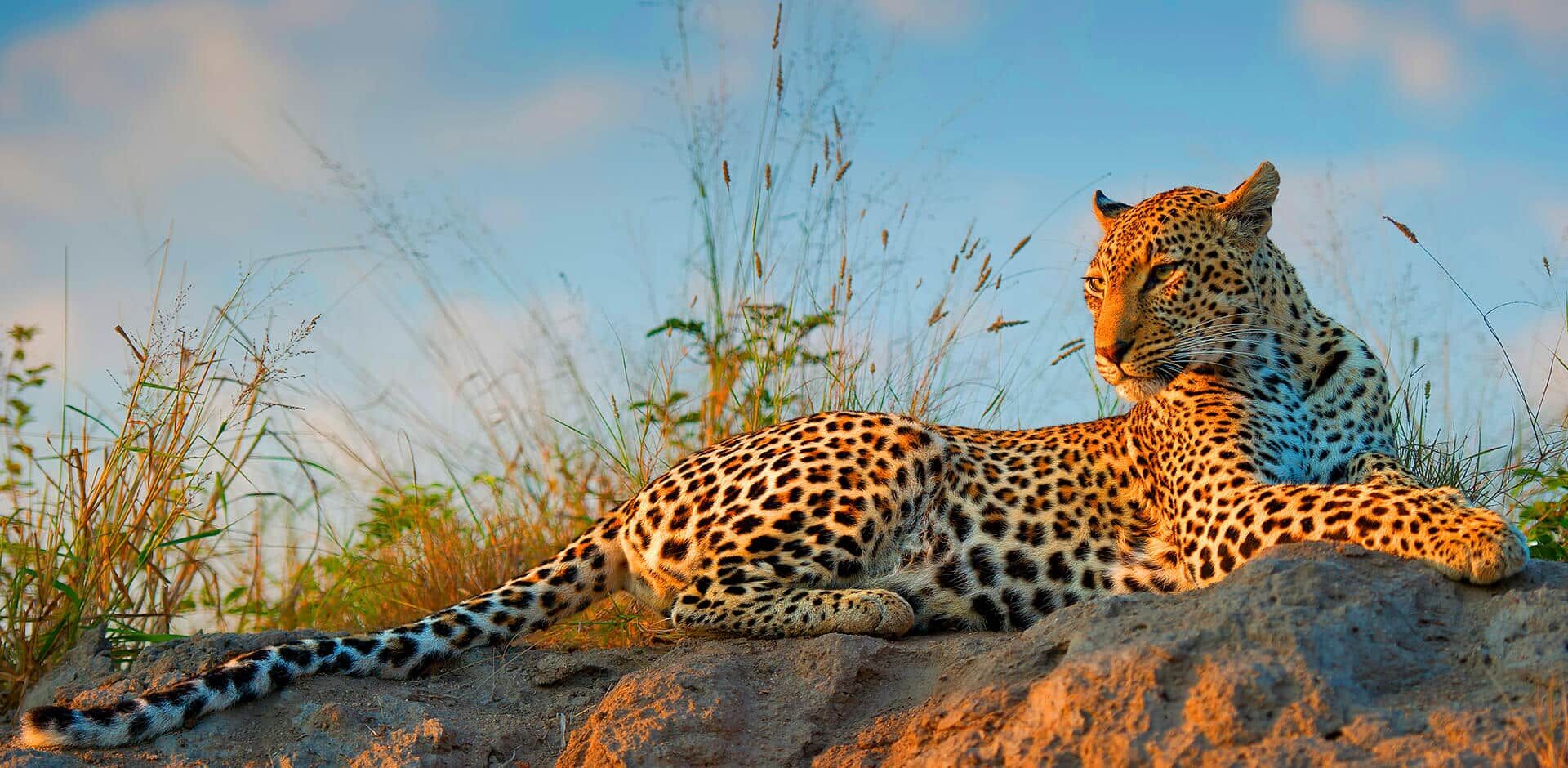
14 Days Kenya & Tanzania Big Five Safari
Fourteen days and seven great parks, from Samburu's desert rivers to Tarangire's baobabs
14 Days Kenya & Tanzania Big Five Safari
Some safaris go deep. This one goes wide, tracing a great loop through the best of Kenya and northern Tanzania and stringing together seven very different parks. It begins in the arid north, where the Ewaso Ng'iro River cuts through Samburu's red earth and draws species you won't meet further south: Grevy's zebra, reticulated giraffe, Somali ostrich, gerenuk and Beisa oryx. On the Laikipia plateau, Ol Pejeta shelters black and white rhinos, the northern white rhinos, and a refuge for rescued chimpanzees.
From there you descend into the Rift Valley for Lake Nakuru's rhinos and waterbirds, then settle into the Maasai Mara for three nights, where lion, leopard and cheetah are the daily currency. A light aircraft lifts you over the border into the Serengeti, and the circuit closes through Ngorongoro Crater and the baobab woodlands of Tarangire.
Lion, leopard, elephant, buffalo and rhino all have strongholds along the way, and your guides know where to look. Long transfers are balanced by full days in each park, the pace leaves room to rest, and every night is spent somewhere comfortable and close to the animals. It's the trip to take if you plan to do this once and want to do it properly.
Ideal for: Travellers with two weeks who want the full sweep of Kenya and northern Tanzania, every Big Five species and real comfort between drives.
The journey in brief
Once you've slept off the flight in Nairobi, you head north past Mount Kenya to Samburu for two nights among desert-adapted wildlife. A shorter drive brings you to Ol Pejeta for two nights of rhino-watching, a night drive and a visit to the chimpanzee sanctuary. You continue to Lake Nakuru, then on to the Maasai Mara for three nights in big-cat country, with the migration in residence from about July. On day ten you fly across the border to the Serengeti for two nights on its open plains. The final stretch is by road: up into the Ngorongoro highlands, down onto the crater floor, then east to Tarangire for a last night among baobabs and elephants. On day fourteen you drive to Arusha for your flight home from Kilimanjaro International Airport.
Highlights
Day by day
Nairobi Prelude
Your Geob Ventures guide greets you at Jomo Kenyatta International Airport and takes care of the drive into Nairobi. After a long flight, the afternoon is for rest. If you have energy to spare, the Karen Blixen Museum, a farmhouse at the foot of the Ngong Hills that inspired Out of Africa, offers a gentle introduction to Kenya's colonial past and its complications. Over dinner your guide walks you through the fortnight ahead: the parks, the border, the 15 kg soft-bag limit on the light-aircraft leg and the long list of animals you'll be seeking with binoculars and camera. Then sleep, because the road north starts early.
North Past Mount Kenya
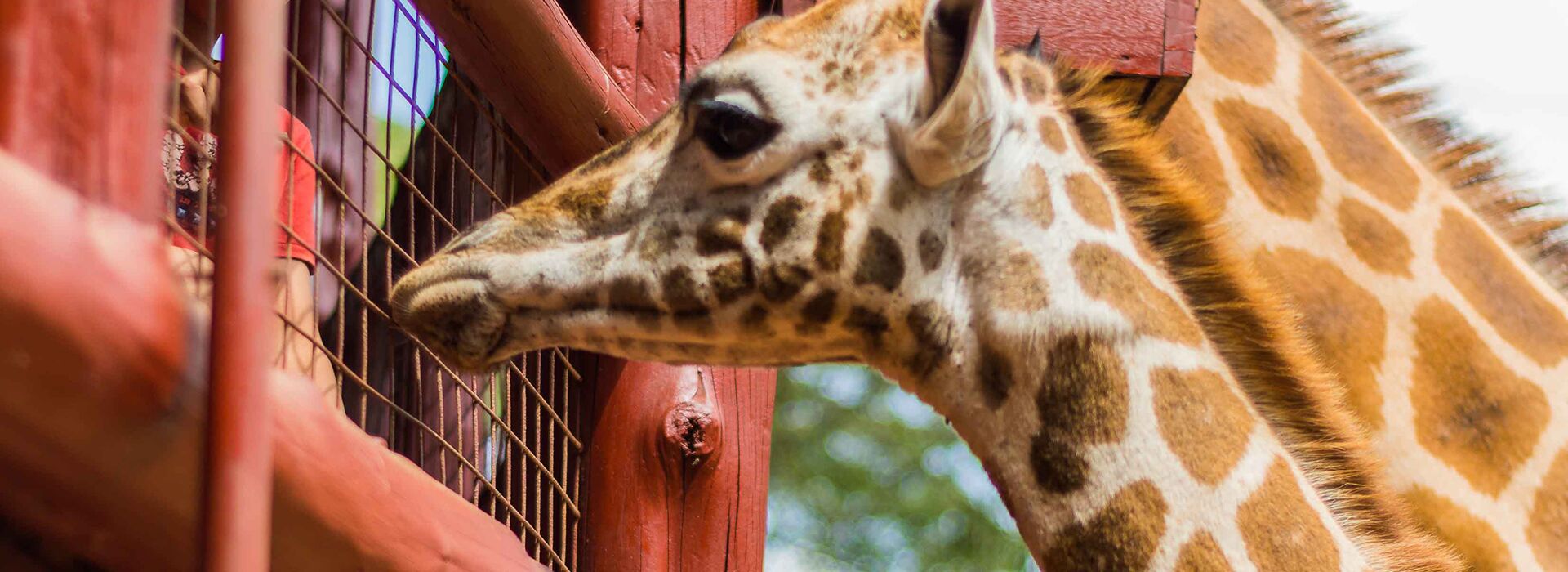
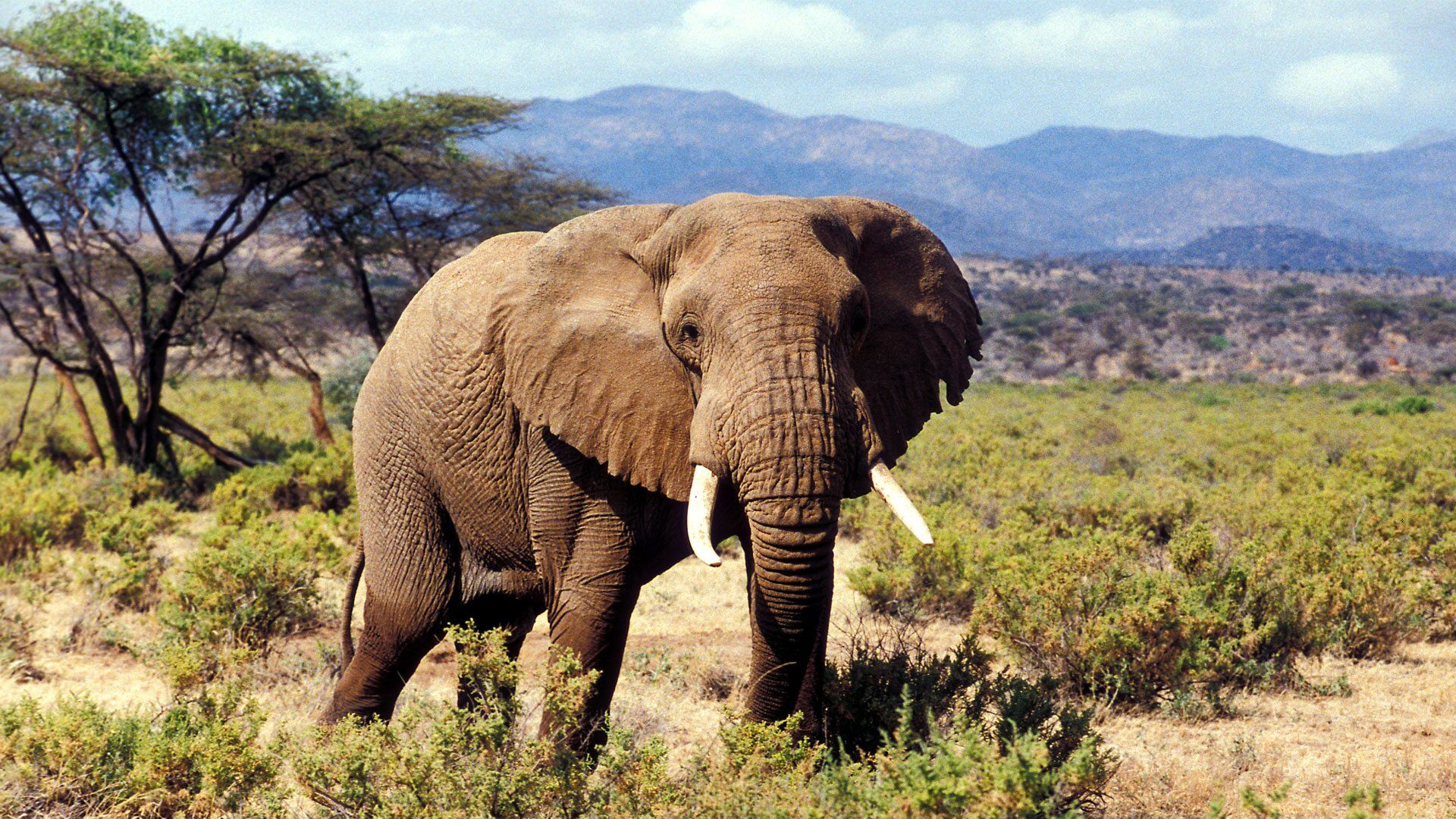
Leave Nairobi early and head north through the green farmland of central Kenya, with Mount Kenya's jagged peaks off to your right when the clouds allow. Beyond the market town of Isiolo the land changes abruptly: the air warms, the soil turns red and the bush thins to acacia and doum palm. This is Samburu, a semi-arid reserve split by the Ewaso Ng'iro River, the lifeline for nearly every animal here. You arrive for lunch after about six hours on the road, then head out in the late afternoon to watch elephants wade across the river and throw red dust over their backs.
Samburu's Special Five
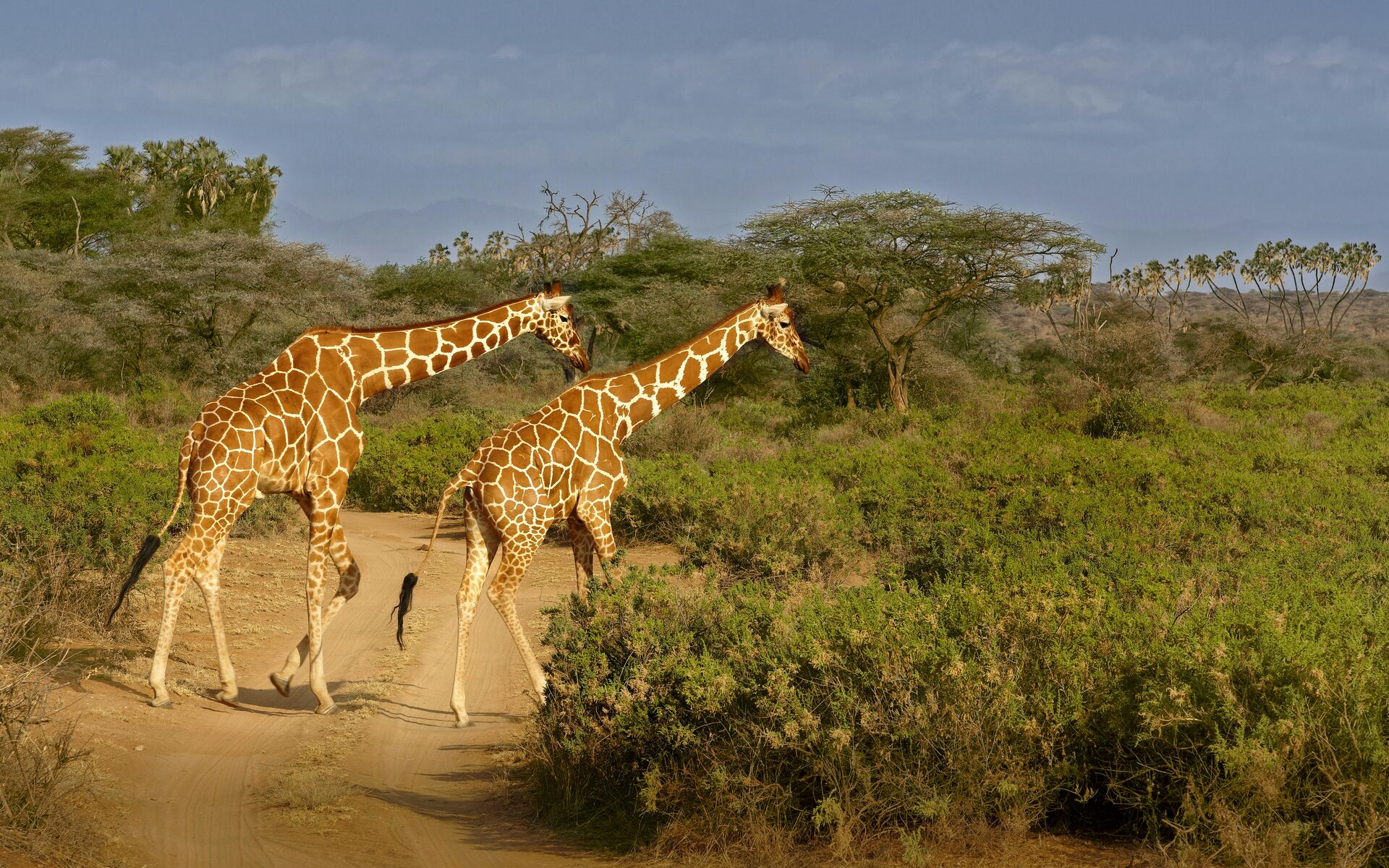
Samburu's wildlife has adapted to heat and scarce water, and several species found here are rare or absent in the southern parks. Today's mission is to find them all. Grevy's zebra, the largest and most endangered zebra, has narrow stripes and big rounded ears. The reticulated giraffe wears a crisp, net-like pattern. The Somali ostrich has blue-grey legs and neck, the gerenuk stands on its hind legs to browse, and the Beisa oryx carries long, straight horns. Leopard are regularly seen along the river, and lions hunt in the palm thickets. You may also meet Samburu herders, cousins of the Maasai, in their layered bead collars.
Onto the Laikipia Plateau
After a morning drive, you head south and west onto the Laikipia plateau via Nanyuki, a market town sitting almost exactly on the Equator. Ol Pejeta Conservancy is about three hours from Samburu. In the afternoon you visit the chimpanzee sanctuary, the only place in Kenya to see chimps, home to animals rescued from the illegal pet and bushmeat trade in central and west Africa. Then comes a quieter, sobering moment: the enclosure where the northern white rhinos live under round-the-clock guard. Keepers explain the science that may yet bring the subspecies back. As the sun sets behind the Aberdares, you return for dinner with plenty to talk about.
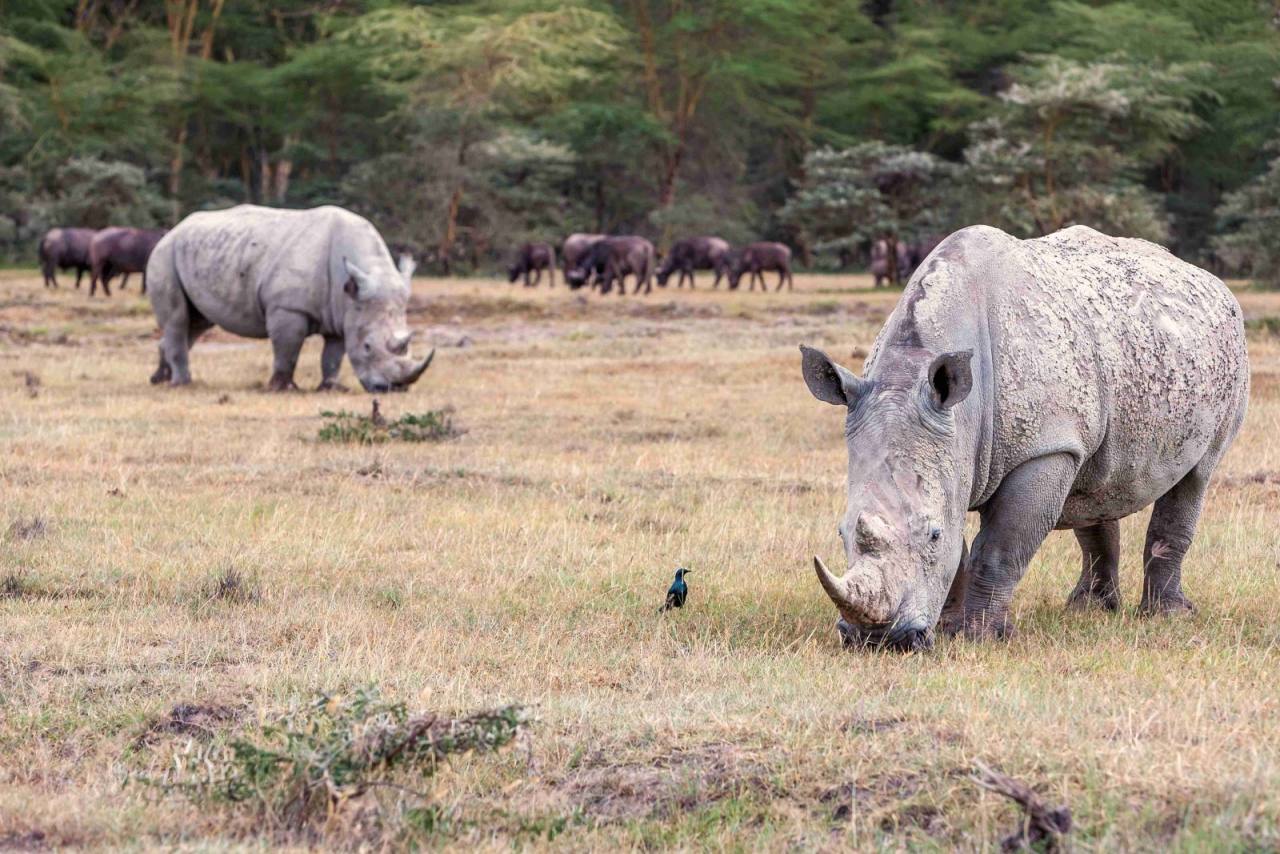
Rhino Country by Day and Night
Ol Pejeta holds the largest population of black rhinos in East Africa, as well as southern white rhinos, and today you have time to find both. Black rhinos are browsers, solitary and wary in thick bush. White rhinos graze in the open, often in small groups, and are far more relaxed. With Mount Kenya on the skyline, the conservancy also holds lion, elephant, buffalo and leopard, so all of the Big Five are possible in a single day. Because this is a private conservancy, you can also take an optional guided walk, and after dinner a night drive with a spotlight picks out spring hares, white-tailed mongoose and the eyeshine of hunting lions.
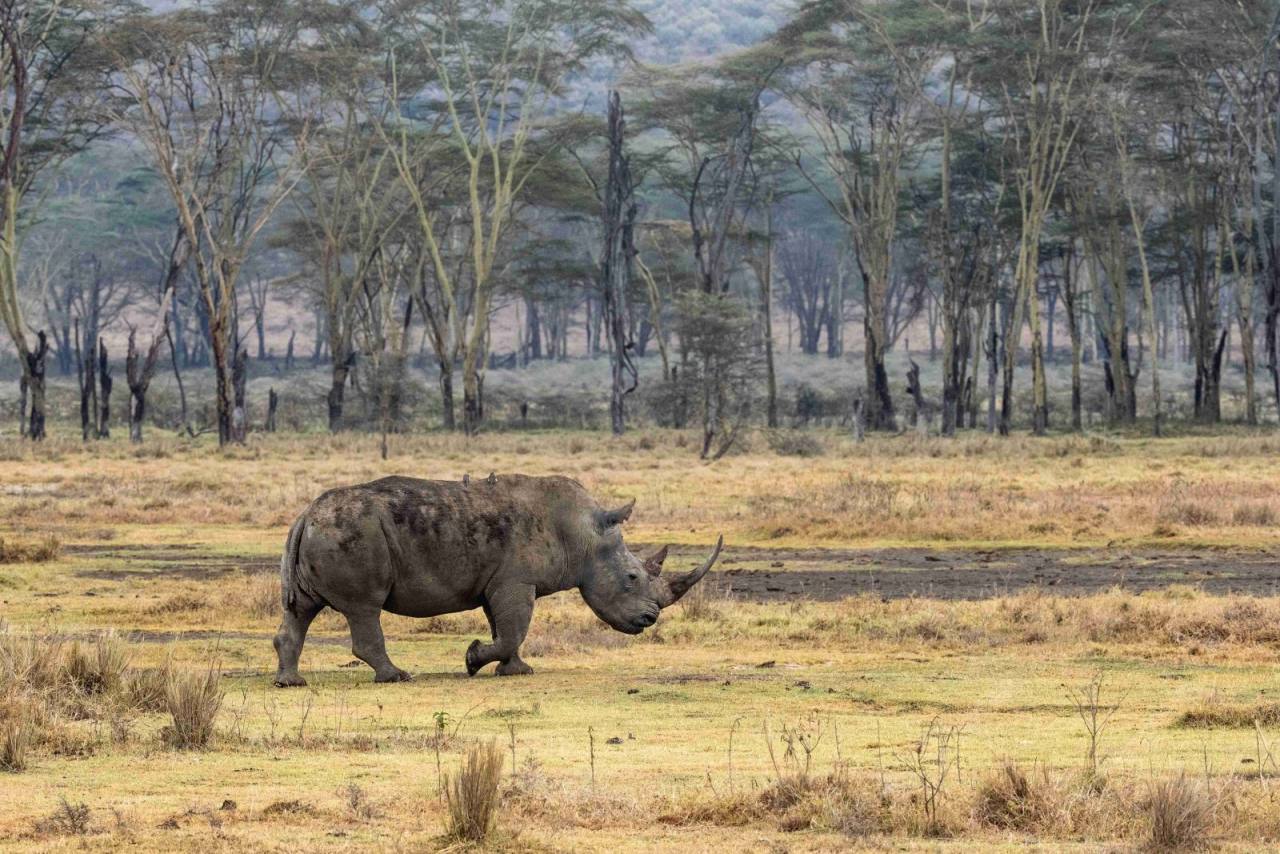
Down the Rift to Lake Nakuru
Leaving the highlands after breakfast, you descend for roughly four hours to the floor of the Rift Valley, stopping at Thomson's Falls in Nyahururu, where the Ewaso Narok River drops more than seventy metres into a fern-lined gorge. Lake Nakuru National Park is a compact, fenced sanctuary around a soda lake, and one of Kenya's most dependable places to see both black and white rhino. Rothschild's giraffe browse the yellow-barked acacia woodland, and flamingo numbers rise and fall with the lake's water level, from scattered flocks to pink shorelines. Before sunset, drive up to Baboon Cliff for the view over the entire lake basin.
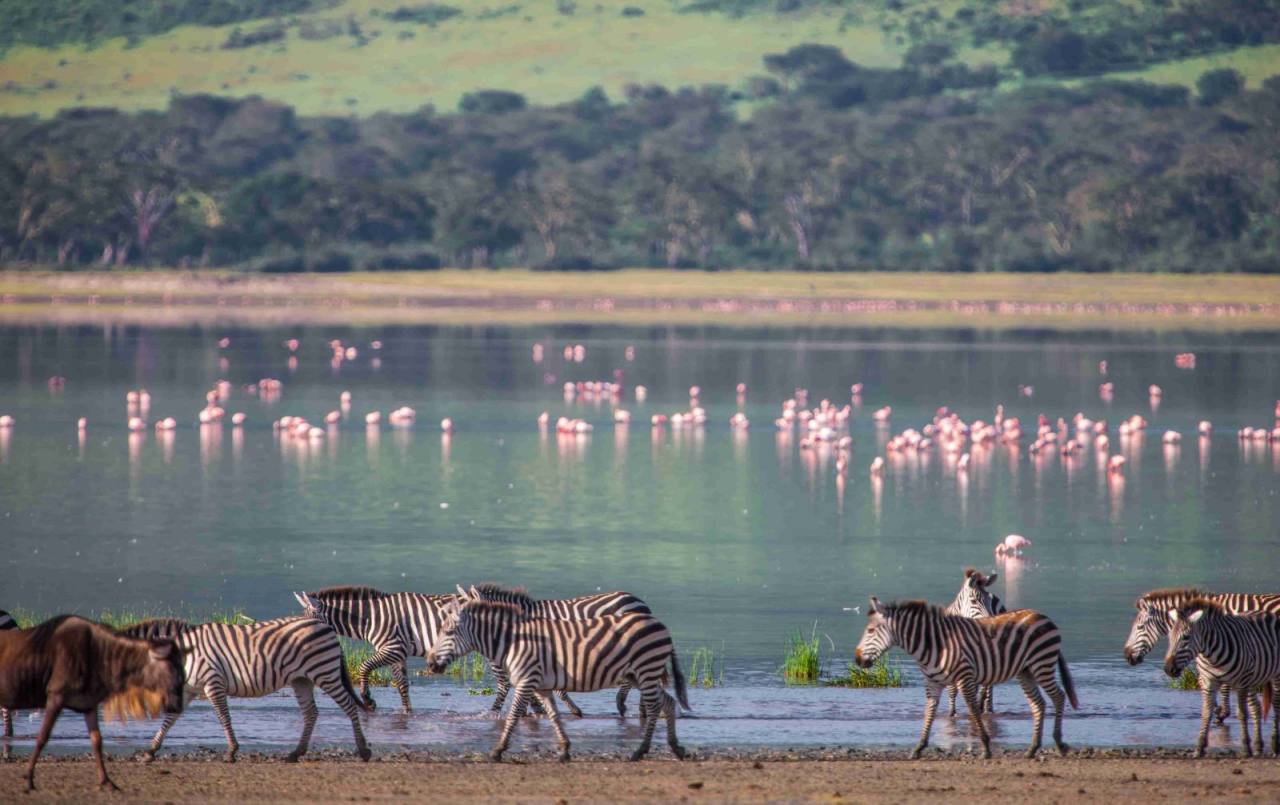
West to the Mara
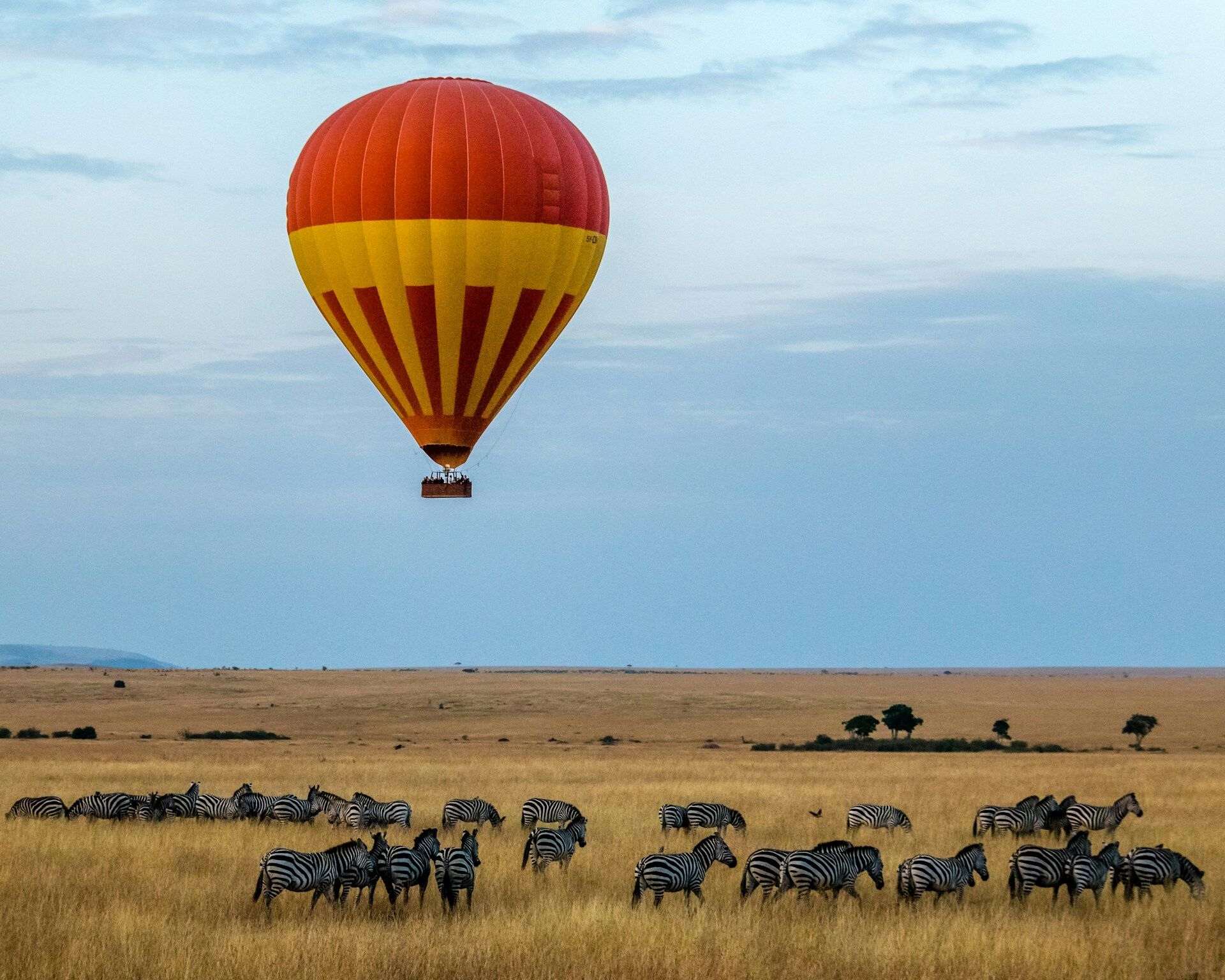
The drive to the Maasai Mara takes around five hours, climbing out of the Rift Valley through the wheat and barley farms around Narok before the final stretch into the reserve. As the grassland opens up, so does the wildlife: topi on termite mounds, herds of zebra and impala, and elephants moving between strips of riverine forest. After lunch and a rest, your first Mara game drive heads out as the heat fades. The reserve has one of Africa's highest densities of lions, so it's unusual to end a day without seeing one. Evenings here come with the rising, whooping calls of hyenas somewhere out in the dark.
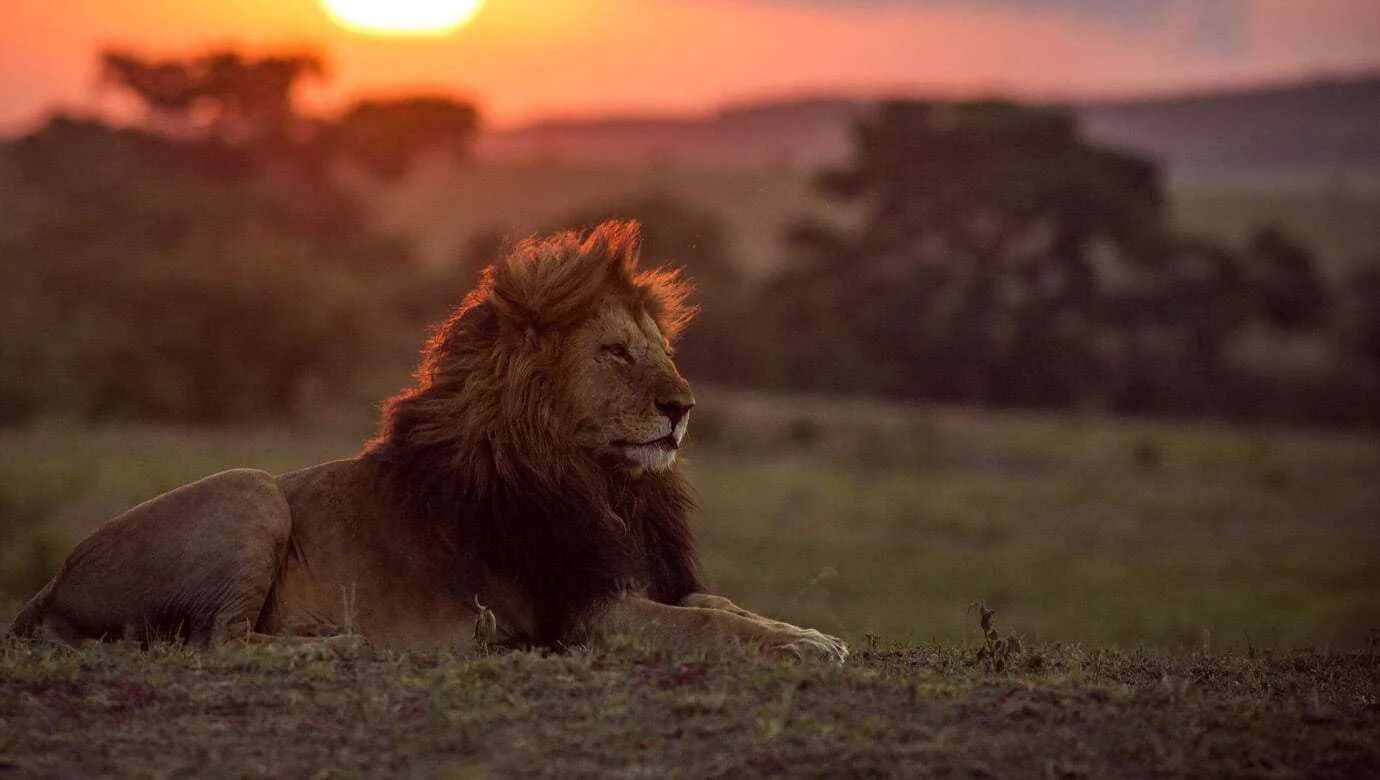
Pride Territory
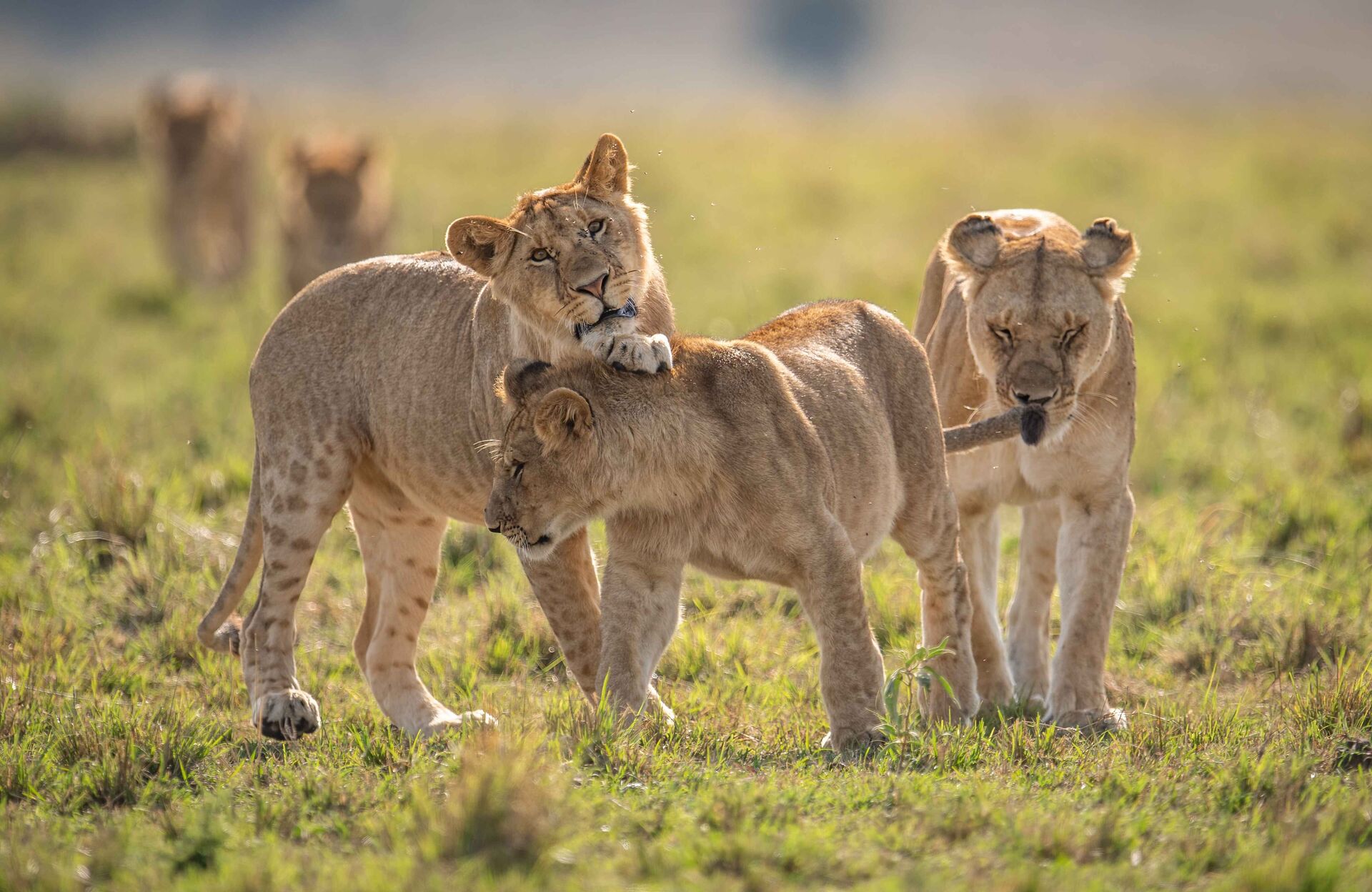
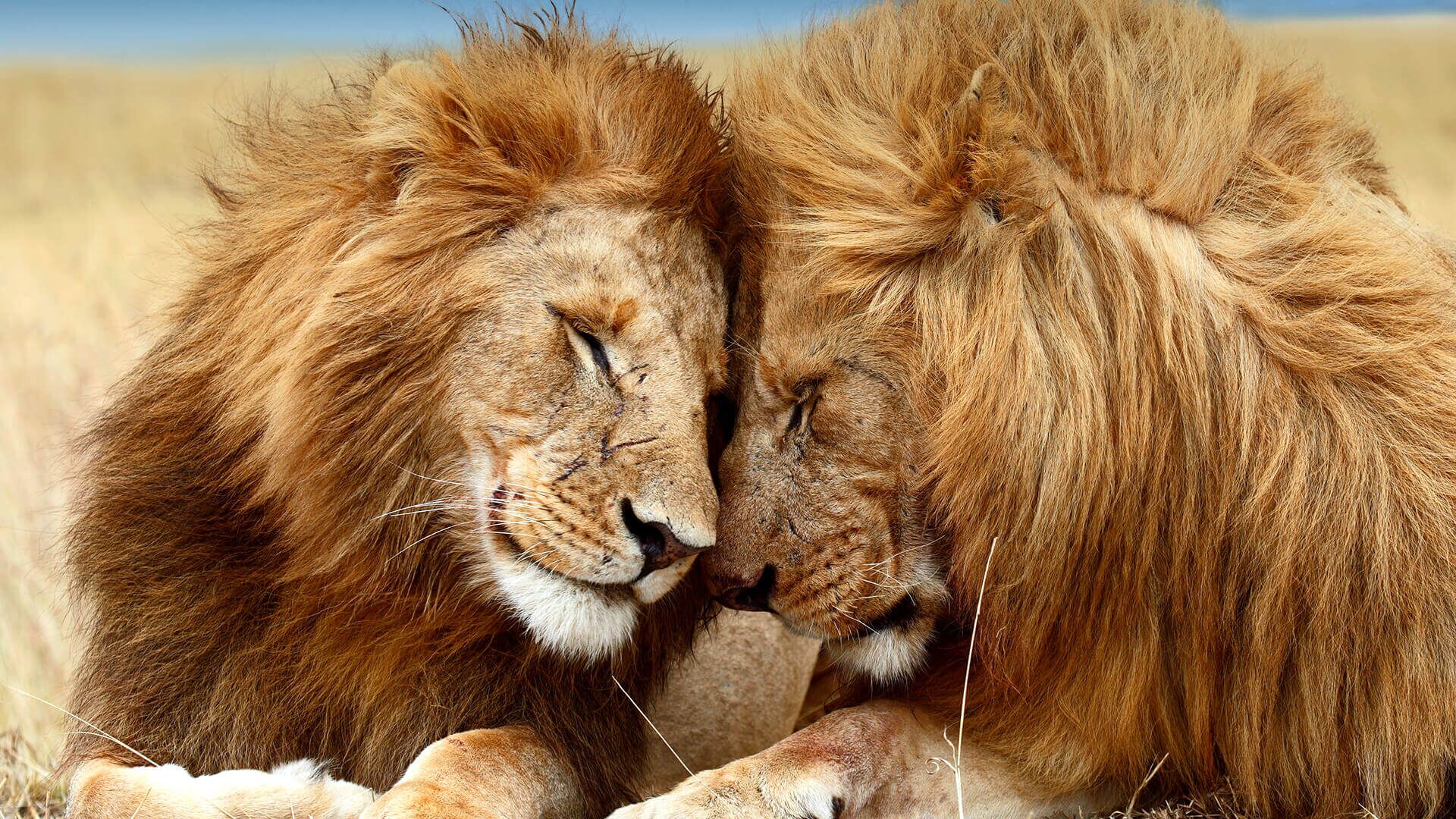
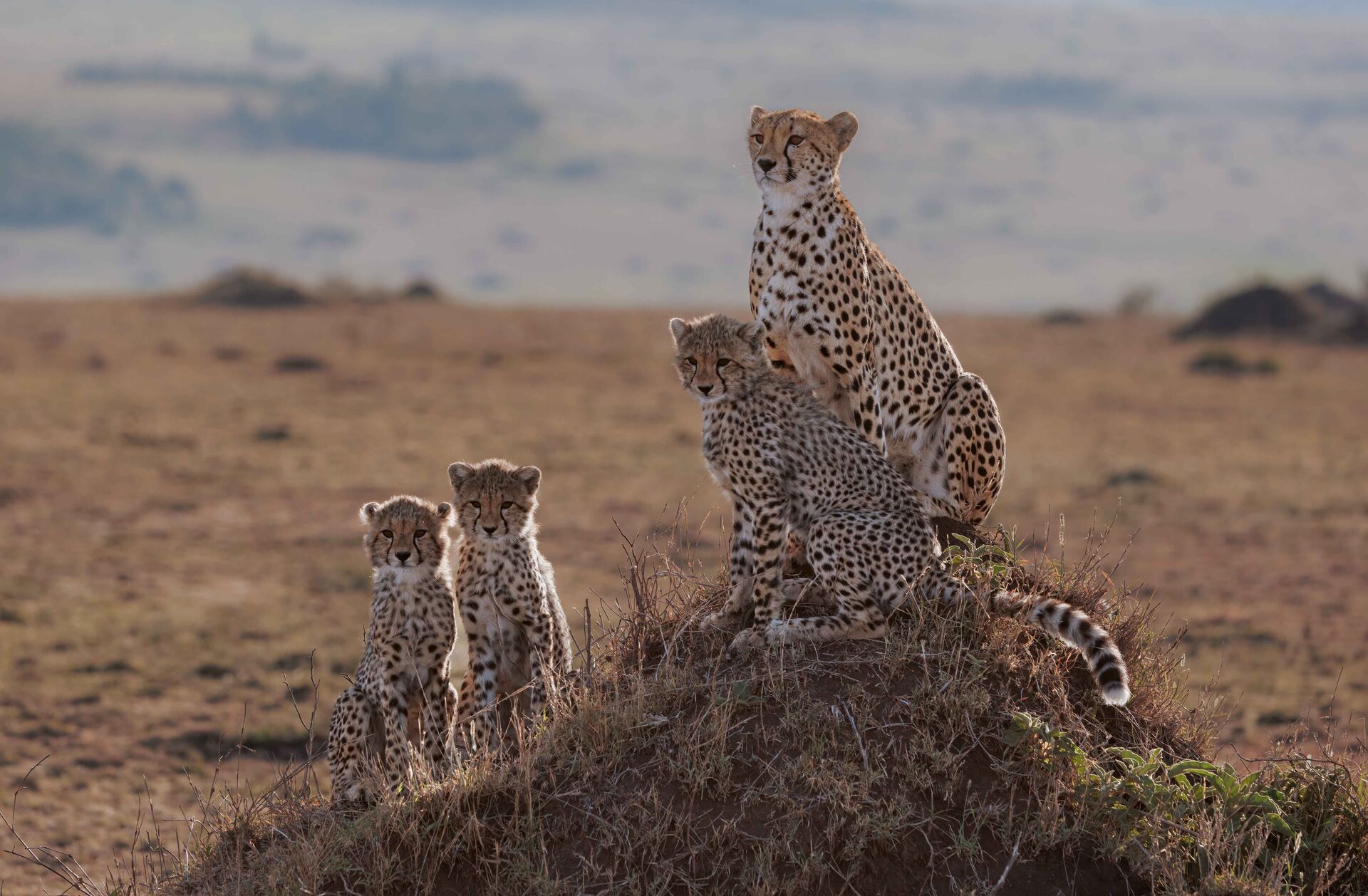
A full day in the reserve, with breakfast packed so you're out at first light, when the cats are at their busiest. The Mara's lion prides are well known to local guides, who follow their fortunes year after year: which coalition of males holds which territory, which females have cubs. You may watch a pride on a kill, or simply sprawled in the grass while cubs clamber over them. Cheetah are often seen on the open plains, while leopard demand more patience along the wooded rivers. The afternoon might bring the hippo pools of the Mara River, crowded with grunting, yawning bodies and patrolled by Nile crocodiles.
The Mara Your Way
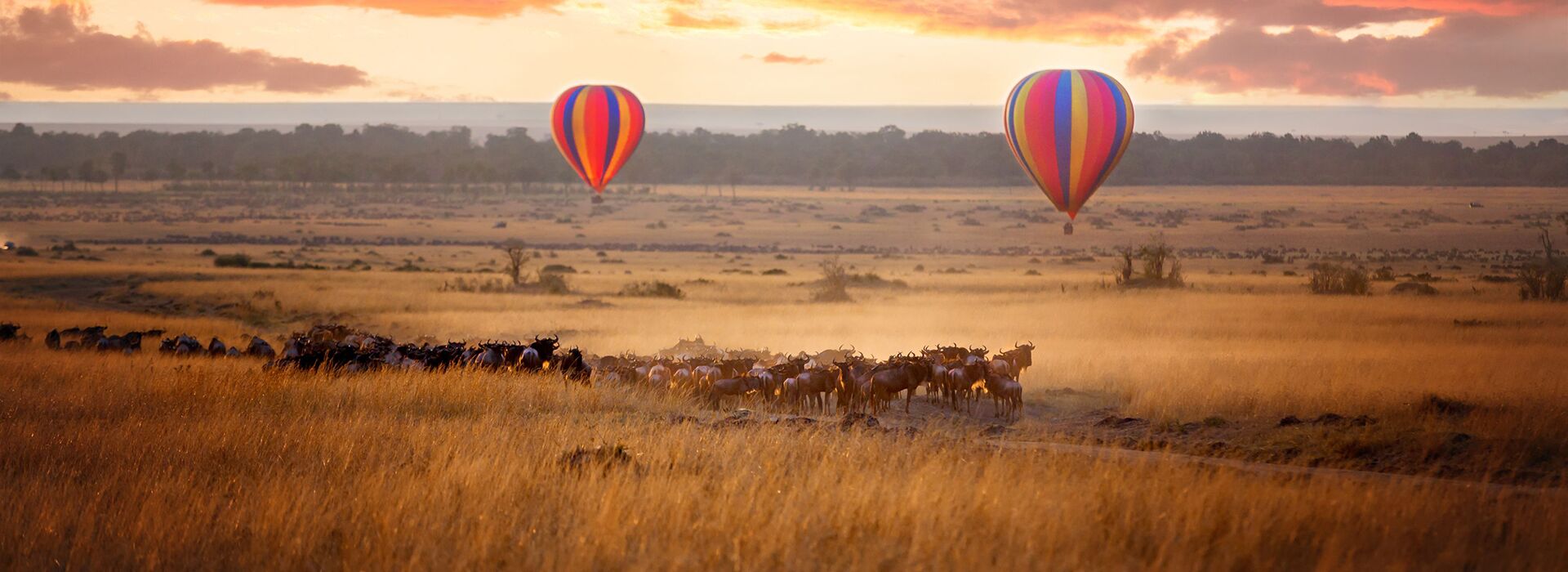
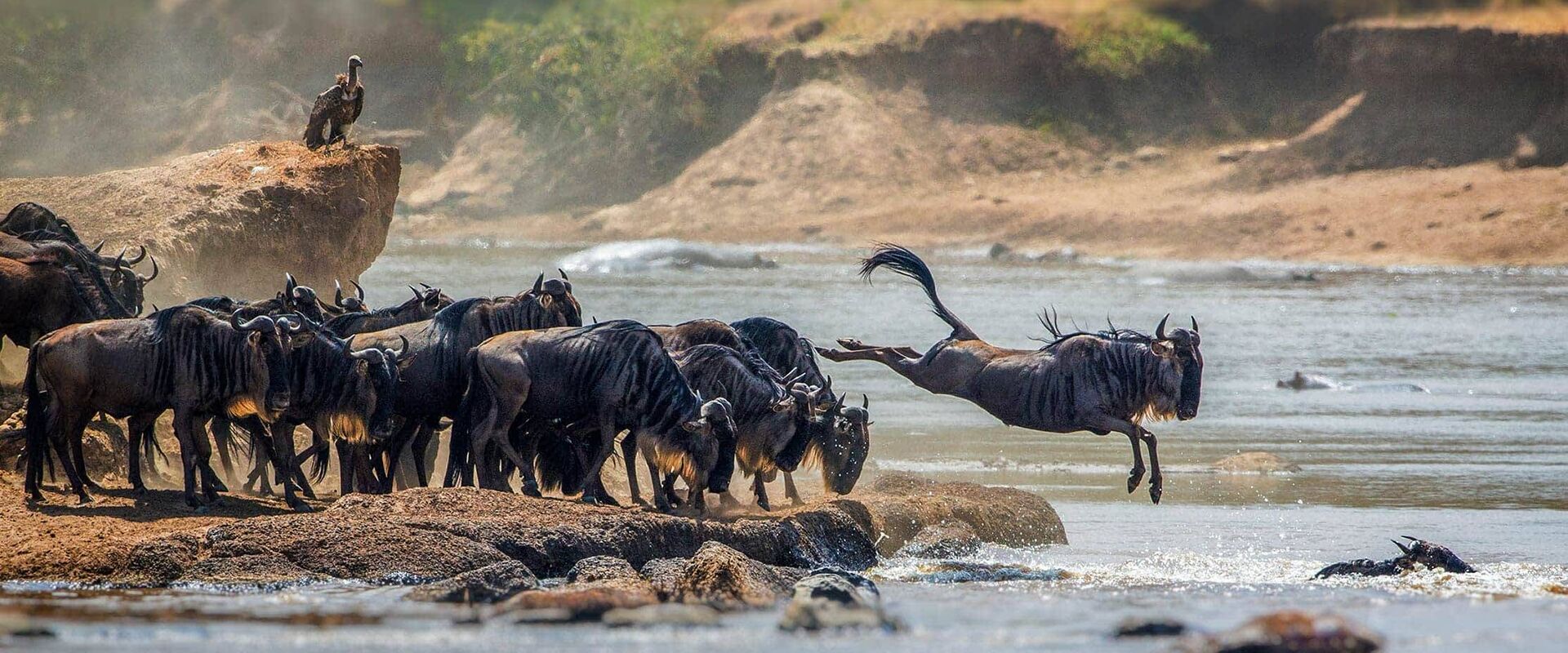
Your third day in the Mara is flexible. If the migration is in residence, roughly July to October, your guide will take you to the river for a chance at a crossing. Otherwise you could add a sunrise hot-air balloon flight, visit a Maasai village to learn about cattle, beadwork and coming-of-age ceremonies, or simply return to the sighting you loved yesterday. Many guests use this day to focus on the one animal they haven't yet seen well, and the Mara's guides are good at delivering it. Late in the afternoon, a sundowner on a rise above the plains, with the grass turning gold, closes your time in Kenya.
Wings Over the Border
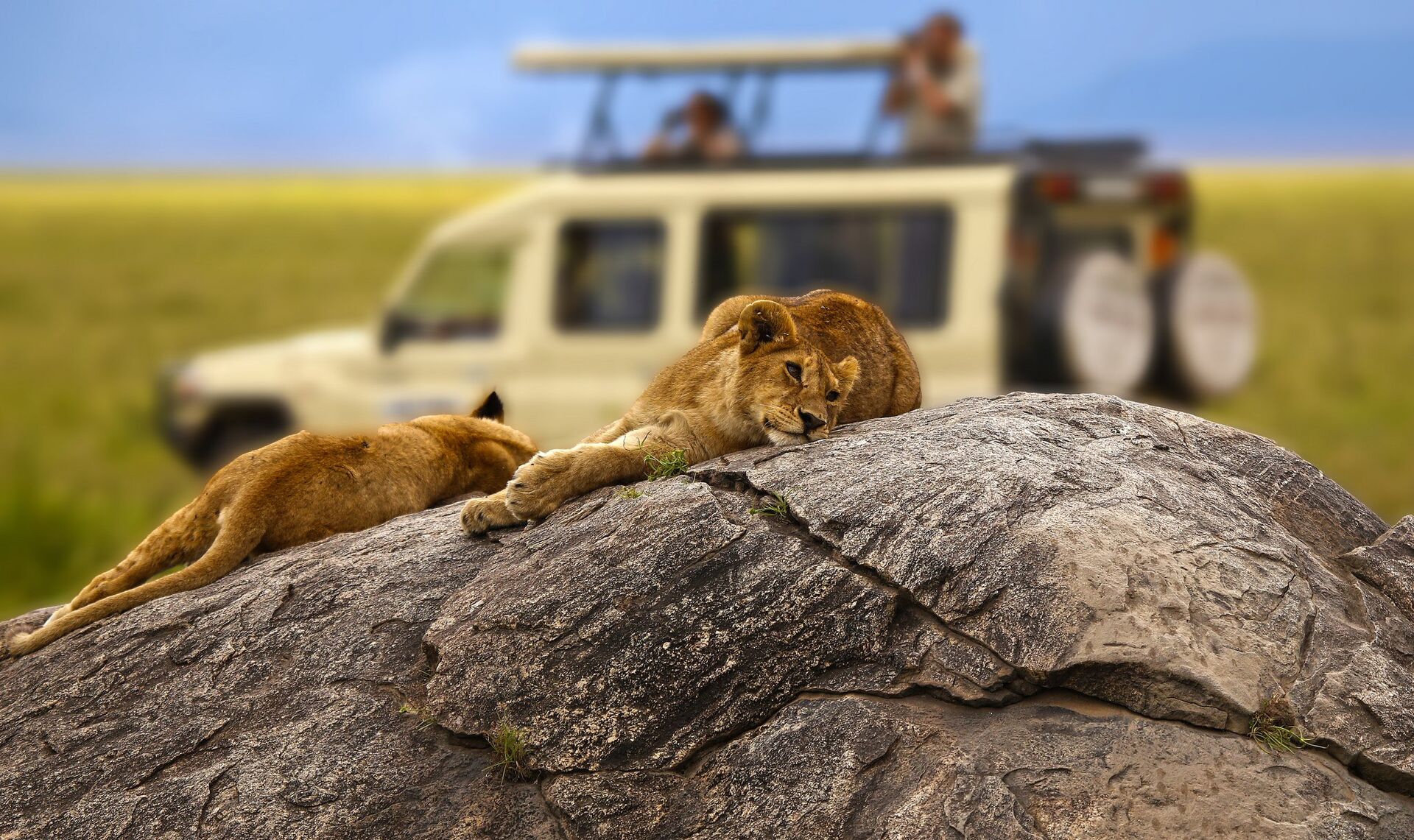
This morning you board a light aircraft out of the Mara. You land first at Migori to clear Kenyan exit formalities, then fly on into Tanzania, completing entry formalities before touching down in the Serengeti. If you'd rather stay on the ground, the alternative is a long road journey via the Isebania-Sirari border, which we can arrange instead. Your Tanzanian guide is waiting beside the airstrip, and the afternoon game drive begins straight away. In the central Serengeti, the rivers around Seronera are a magnet for predators, with leopards resting in the riverside trees and lions using the granite outcrops as lookouts.
The Plains That Run On
Serengeti takes its name from a Maa word for land that runs on forever, and today you see why. A full day lets you range widely: to the rocky outcrops where lions sun themselves, onto the short-grass plains where cheetah hunt, and along the watercourses where leopard spend the heat of the day. Depending on the season, the migrating herds may be nearby, flowing across the land in lines that stretch out of sight. Even without them the resident wildlife is abundant, with buffalo, elephant, giraffe, hartebeest and Thomson's gazelle everywhere you look. A picnic lunch in the shade of an acacia breaks up the day.
Climbing to the Crater Highlands
After a final Serengeti morning, you drive southeast past Naabi Hill and across the treeless southern plains into the Ngorongoro Conservation Area. Unlike in the national parks, Maasai still graze their cattle here alongside wildlife, and their red and blue cloths stand out against the hills. The road climbs steeply into damp forest hung with old man's beard lichen, then emerges on the crater rim, high above the caldera. You arrive with time to watch the afternoon light shift across the floor below and pick out the dark specks of buffalo and elephant. At this height the evening is cool, and a fireside drink feels well earned.
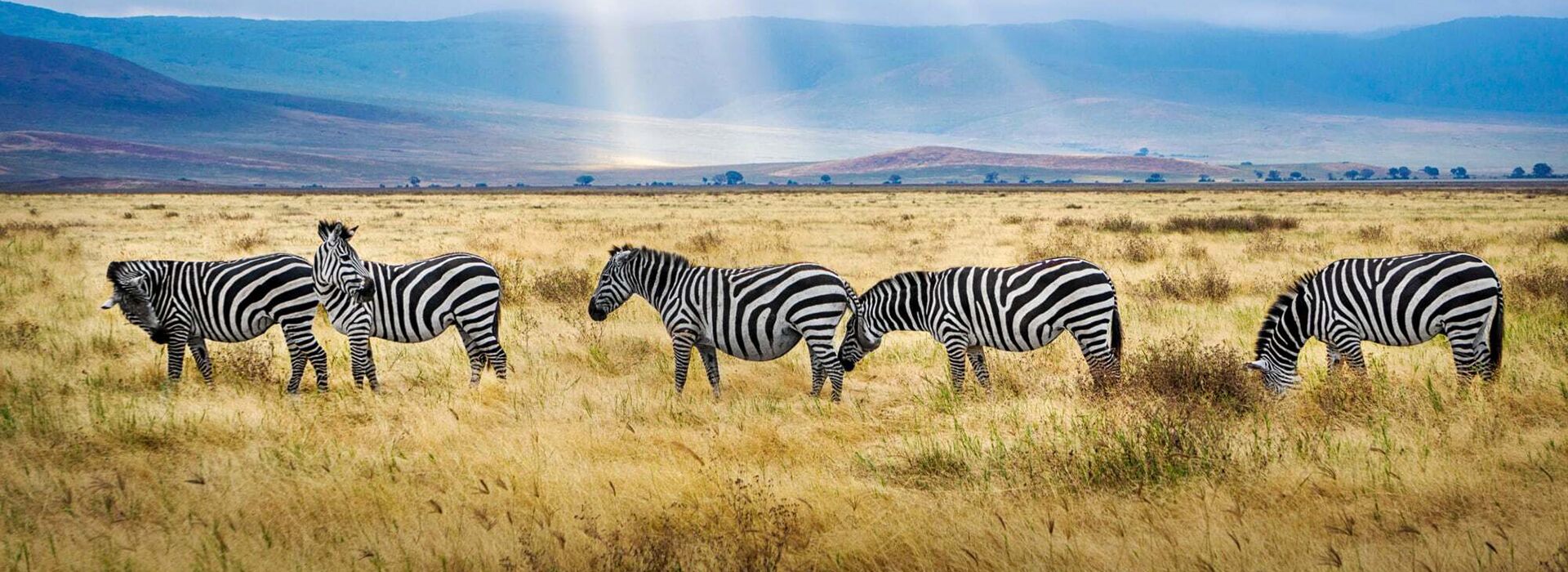
Crater Floor and Baobab Evening
Descend at first light into Ngorongoro Crater, where the walls of an ancient volcano enclose some of Africa's densest wildlife. This is your final chance at rhino, and the crater's black rhinos are among the most reliably seen in Tanzania. Big-tusked elephant bulls wander the Lerai Forest, buffalo and zebra graze the open floor and lion prides hunt in full view. Lunch is a picnic on the crater floor; then you ascend the wall and head east for about two and a half hours to Tarangire. By late afternoon you're among the baobabs, many of them centuries old, their bulbous trunks and bare limbs stark against the evening sky.
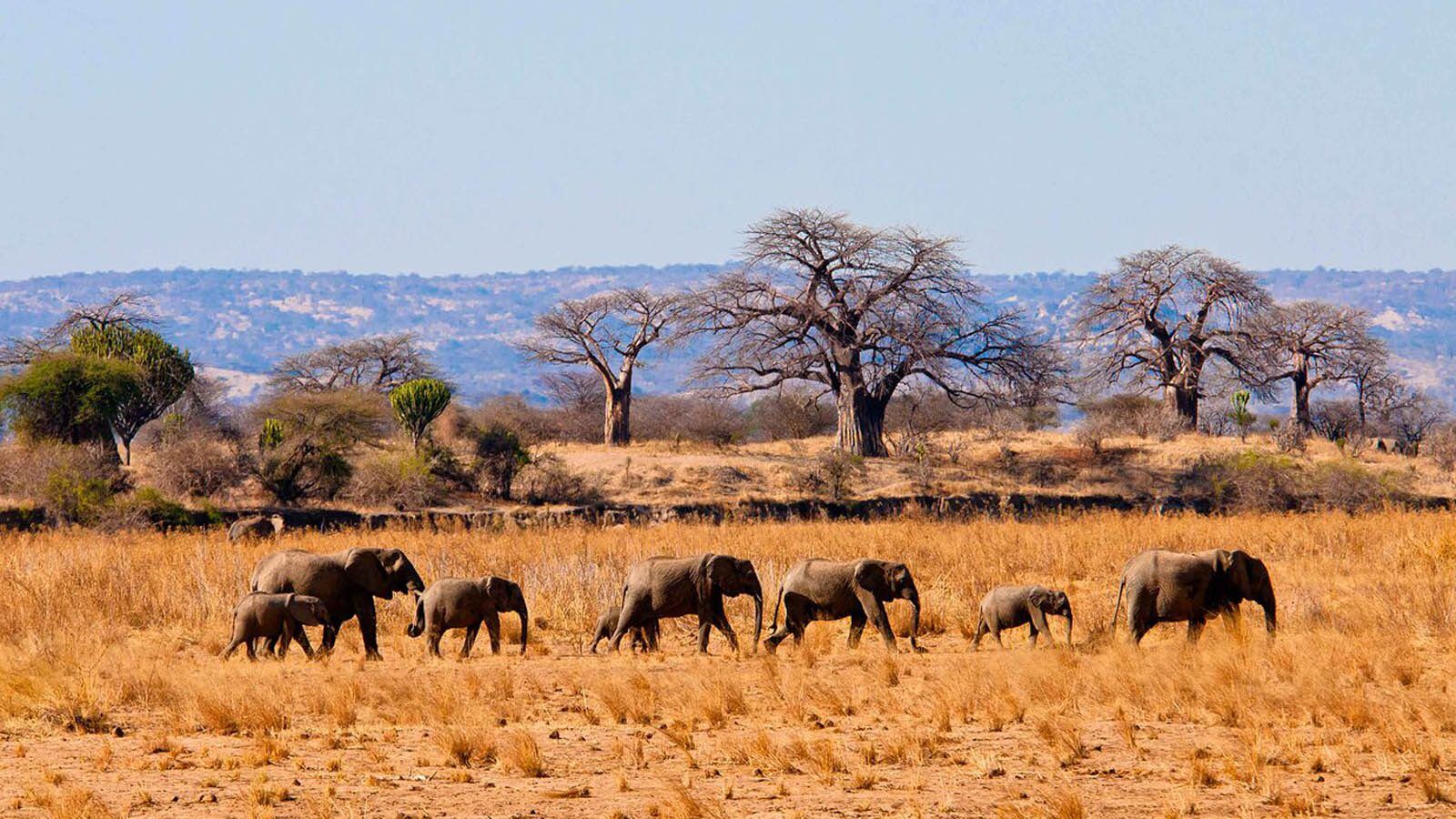
A Final Tarangire Dawn
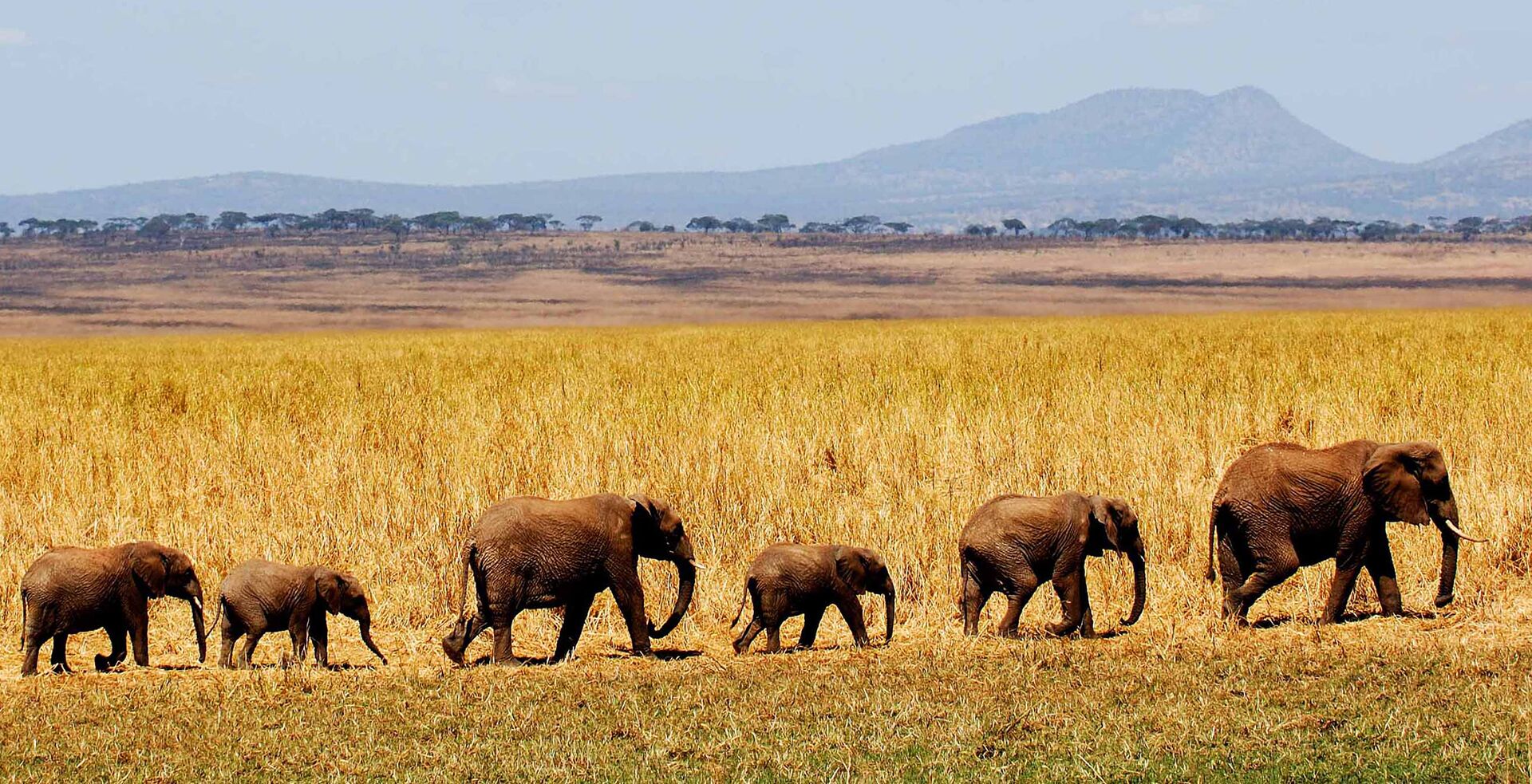
Make the most of your last morning with an early drive beside the Tarangire River. In the dry season this is one of the best places in Tanzania for elephants, with families of thirty or more digging for water in the sandy riverbed. Look also for lions resting under sausage trees, dwarf mongoose colonies in old termite mounds and the ashy starling, a bird found only in Tanzania. After a late breakfast it's roughly two hours to Arusha, with Mount Meru filling the windscreen, and on to Kilimanjaro International Airport for your flight home. Fourteen days, seven parks and, with luck, every Big Five box ticked.
Your route
The parks, lakes and towns you'll travel through, in order.
What's included
Prices
Book as a group and the saving is applied to your quote.
Rates are per person per day, sharing a room, and cover everything under what's included. Your tailored quote confirms the final price for your dates. International flights are not included.
Frequently asked questions
How much time is spent driving?
Can we cross from the Mara to the Serengeti by road instead?
What documents do I need for two countries?
Will I definitely see all of the Big Five?
What is the accommodation like?
How long is the 14 Days Kenya & Tanzania Big Five Safari?
How much does the 14 Days Kenya & Tanzania Big Five Safari cost?
When is the best time to do the 14 Days Kenya & Tanzania Big Five Safari?
What is included in the 14 Days Kenya & Tanzania Big Five Safari?
Can this itinerary be customised?
Let's plan your safari
14 Days Kenya & Tanzania Big Five Safari · 14 days
Tell us when you'd like to travel and who's coming. A Geob safari specialist in Nairobi will reply within one working day with availability, a tailored quote and any changes you'd like.
- No account or payment needed to enquire
- Every itinerary can be adjusted to your dates and pace
- Prefer to talk? +254 728 136 167
You might also like
 9 days
Best seller
9 days
Best seller
9 Days Maasai Mara & Serengeti Migration Safari
Two countries, two riverbanks, one chance to watch the herds take the plunge
 6 days
6 Days Maasai Mara & Serengeti Fly-in Safari
Six days, four flights, almost no road: the Mara, Serengeti and crater for people short on time
 12 days
12 Days Kenya & Tanzania Photography Safari
Private vehicle, specialist guide and every drive timed for the best light