

12 Days Kenya & Tanzania Photography Safari
Private vehicle, specialist guide and every drive timed for the best light
12 Days Kenya & Tanzania Photography Safari
Most safaris are scheduled around mealtimes. This one is scheduled around light. You travel in a private 4x4 set up for cameras, with a full row for each photographer, bean bags on the window frames, an open roof hatch and charging for batteries and laptops. Your guide is a photographic specialist who weighs backgrounds, angles and the direction of the sun before switching off the engine, and who understands the difference between a good sighting and a good picture.
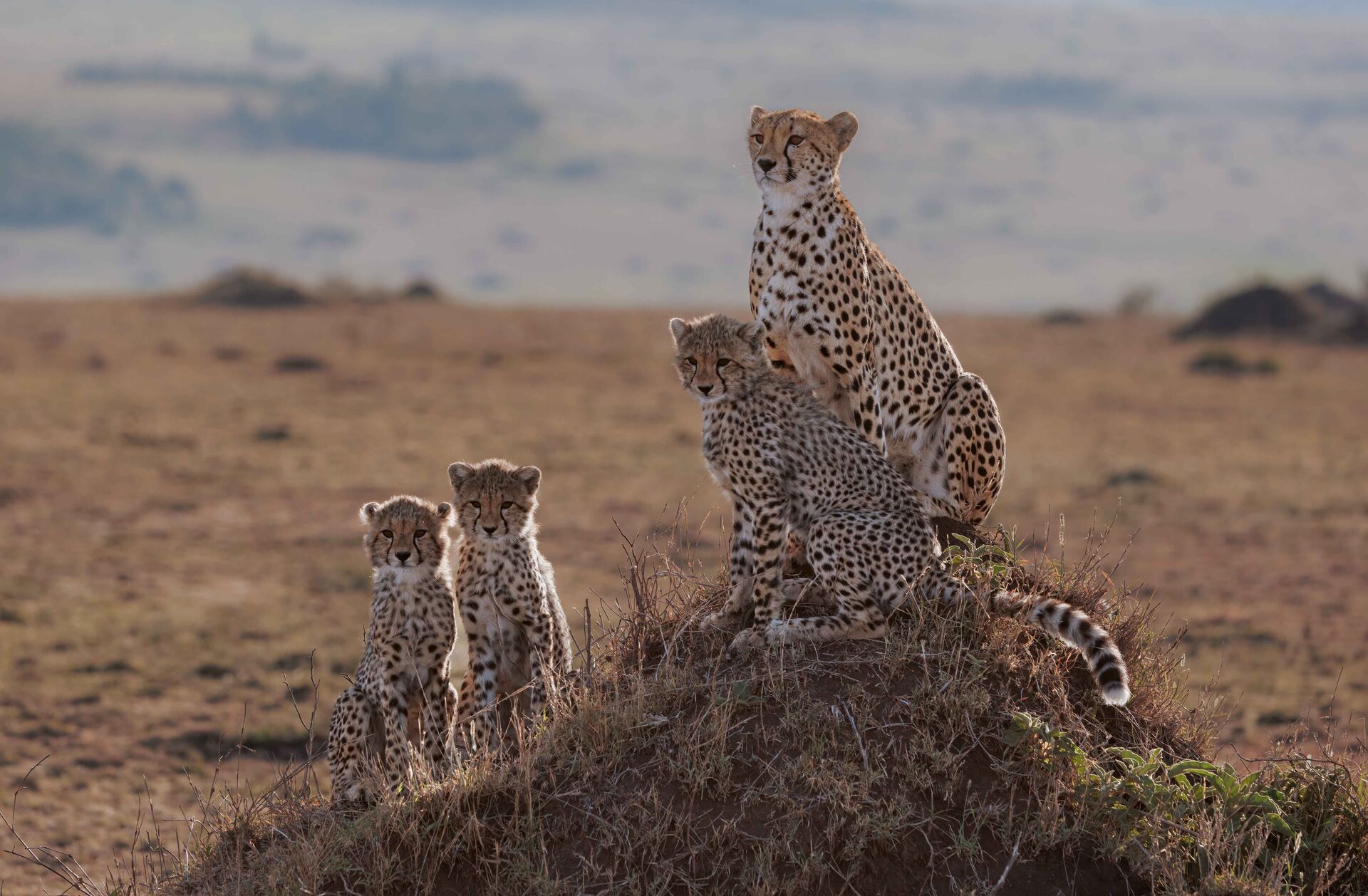
Days run on golden-hour logic: out before sunrise, back in position well before the late light warms up, with the flat glare of midday kept for downloading, editing and rest. The centrepiece is four nights in the private conservancies along the Mara's northern boundary, where off-road driving lets you choose your angle, vehicle numbers at sightings are capped and night drives open up a whole new set of subjects.
From there a light aircraft carries you into the Serengeti, where two nights among its lions and leopards lead on to first light inside Ngorongoro Crater, mist still hanging on the walls. You finish with two nights in Tarangire, where baobabs and elephant herds make bold sunset silhouettes. The trip opens at Lake Nakuru, with rhinos grazing beside pelican-lined shores.
Ideal for: Serious amateur and professional photographers who want a private vehicle, a guide who reads light and angles, and long hours in the field.
The journey in brief
After a night in Nairobi to check gear and meet your guide, you drive to Lake Nakuru for an afternoon and dawn shoot among rhinos, pelicans and, water levels permitting, flamingos. A road transfer then takes you to the Maasai Mara conservancies for four nights of off-road big-cat photography, sunrise sessions and night drives. Day seven is a flying day, via Migori to Seronera, and two nights follow on the predator-rich central Serengeti plains. A road journey brings you to the Ngorongoro rim, ready for a first-light descent into the crater, before you continue to Tarangire for two nights of elephants, baobabs and sunset light. The last morning brings one more sunrise shoot before you head for Arusha and the journey home.
Highlights
Day by day
Gear Check in Nairobi
You're collected at Jomo Kenyatta International Airport and taken to your Nairobi base. In the afternoon your photographic guide sits down with you to go through your kit: bodies, lenses, cards, backups and power. It's a chance to talk about what you want to come home with, whether that's tight portraits of lions, wide landscapes with animals in context or motion-blurred cheetah at full stretch. Your guide will suggest settings for East Africa's bright, high-contrast light and show you how the vehicle is set up, from bean-bag positions to charging points. Charge everything tonight, because tomorrow you're on the road early.
Rhinos and Reflections at Nakuru
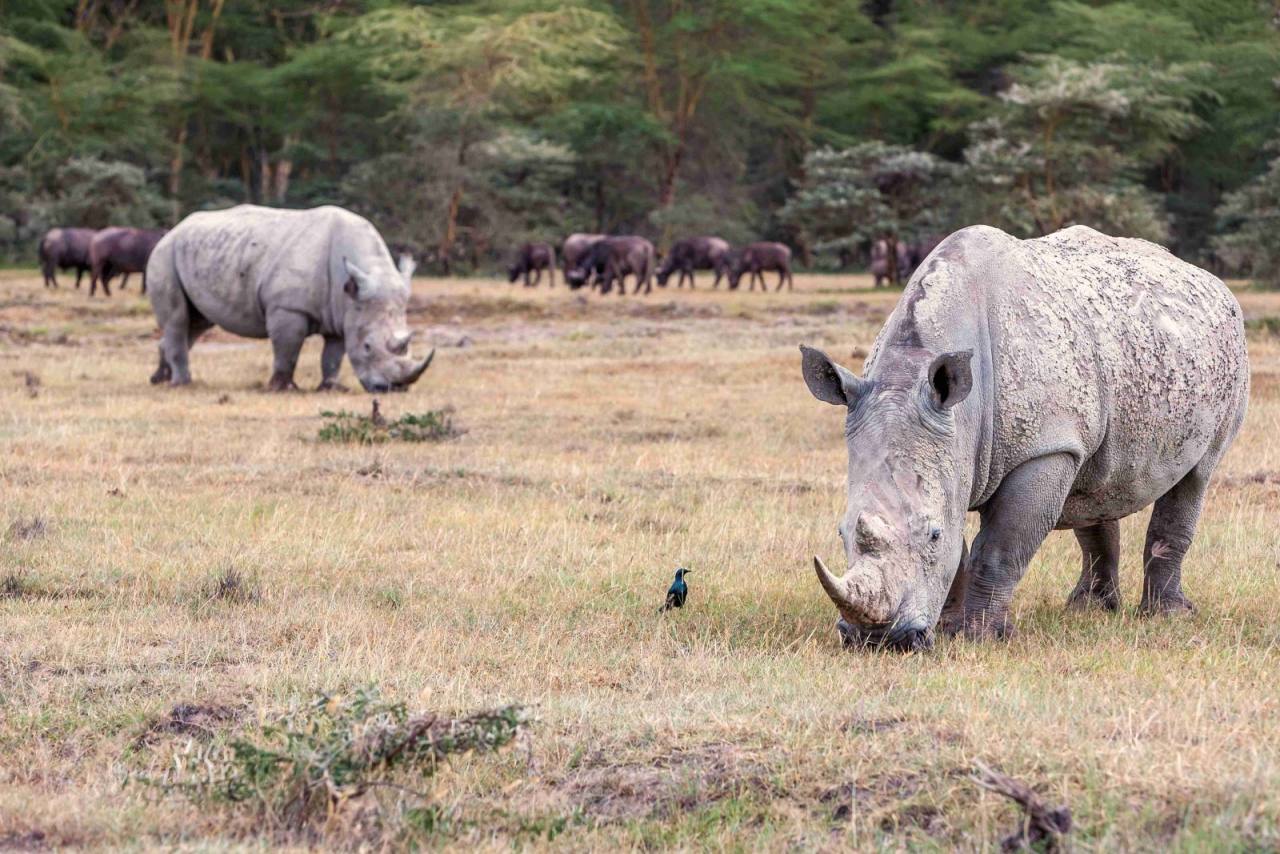
Drive about three hours north-west from Nairobi, pausing at a viewpoint over the Great Rift Valley for a wide-angle frame in the hazy morning light. Lake Nakuru National Park surrounds a shallow soda lake ringed by yellow-barked acacia forest. In the afternoon you work the shoreline, where pelicans, cormorants and, depending on the lake's level, flamingos gather. White and black rhinos graze the grassy flats near the water, giving you clean, low-angle portraits with the lake behind. Late in the day, Baboon Cliff offers a long view across the basin as the light turns amber and the water goes still.
Dawn on the Water, Dusk in the Mara
Be at the lake at first light, when the air is calm and reflections are at their best. After a couple of hours you head west to the Maasai Mara, about five hours by road through the farmland around Narok. You arrive at the conservancy in time for a late lunch and a short rest, then set out for your first afternoon session. Here everything changes: your guide can leave the track to put the sun behind you or a clean background behind your subject. Conservancy rules cap the number of vehicles at each sighting, so you'll often have a lion or cheetah to yourself.
Following Light Across the Conservancy
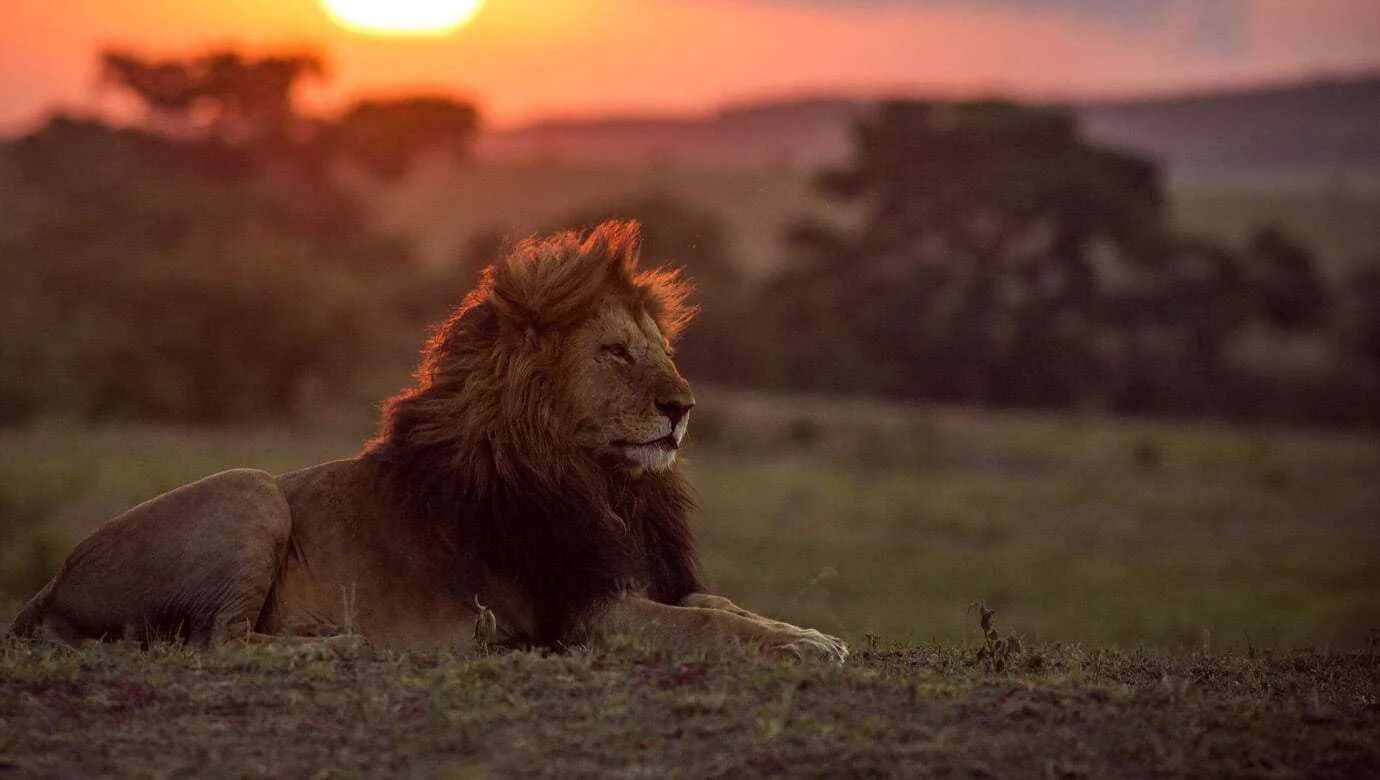
Your first full day sets the rhythm. You're out before sunrise, coffee in hand, waiting with a lion pride as the sky lightens behind them. By mid-morning the light hardens and the cats go to ground, so you return for breakfast, backups and rest. Mid-afternoon you head back out, positioning for the long, warm light of the final hours. Cheetah are often active late in the day, scanning from mounds and fallen trees, and a hunt shot against a low sun is exactly the kind of image this trip is built for. After dinner you go out again with a spotlight, searching for genets, hyenas and lions on the move.
Leopard Patience
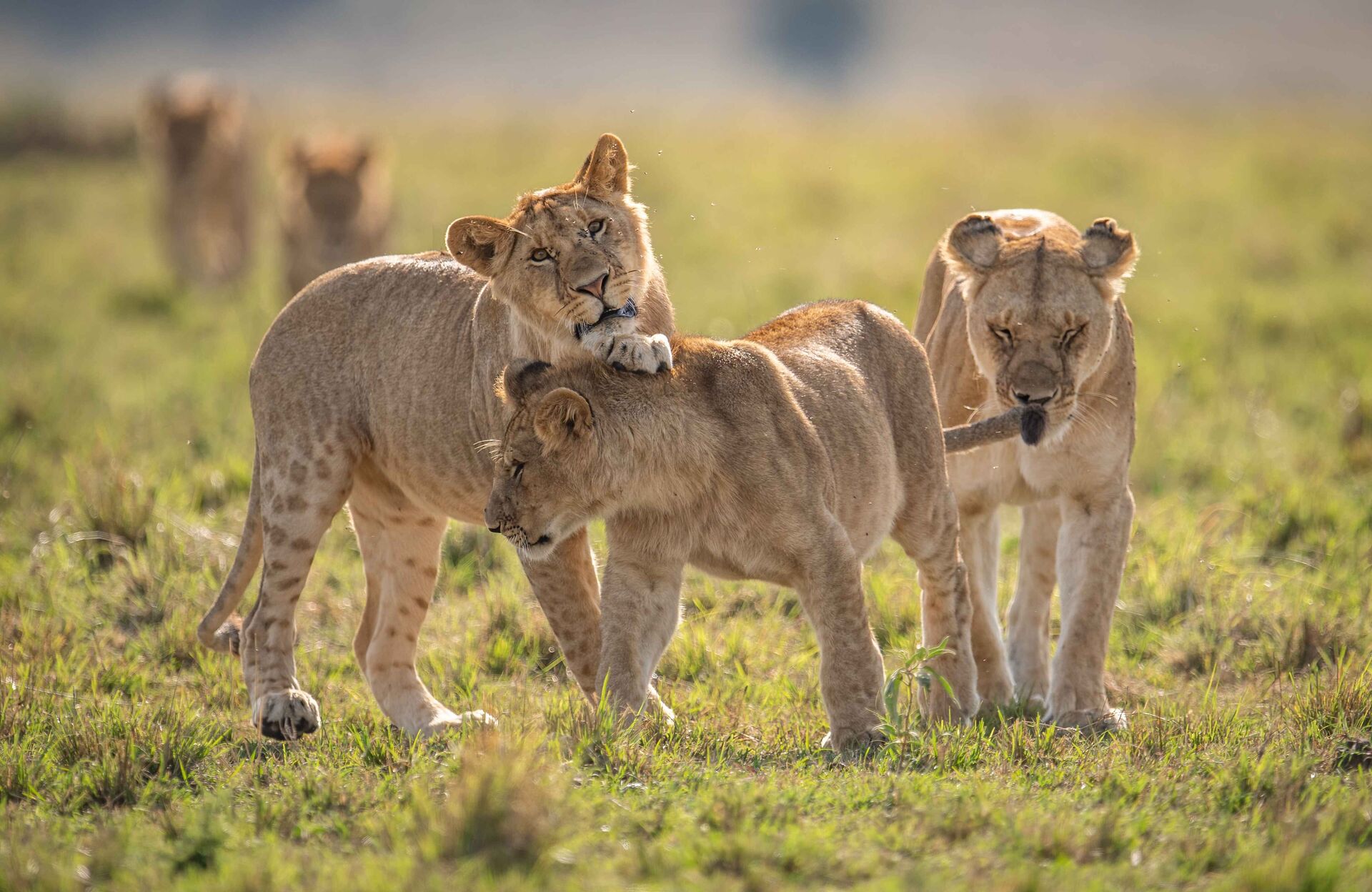
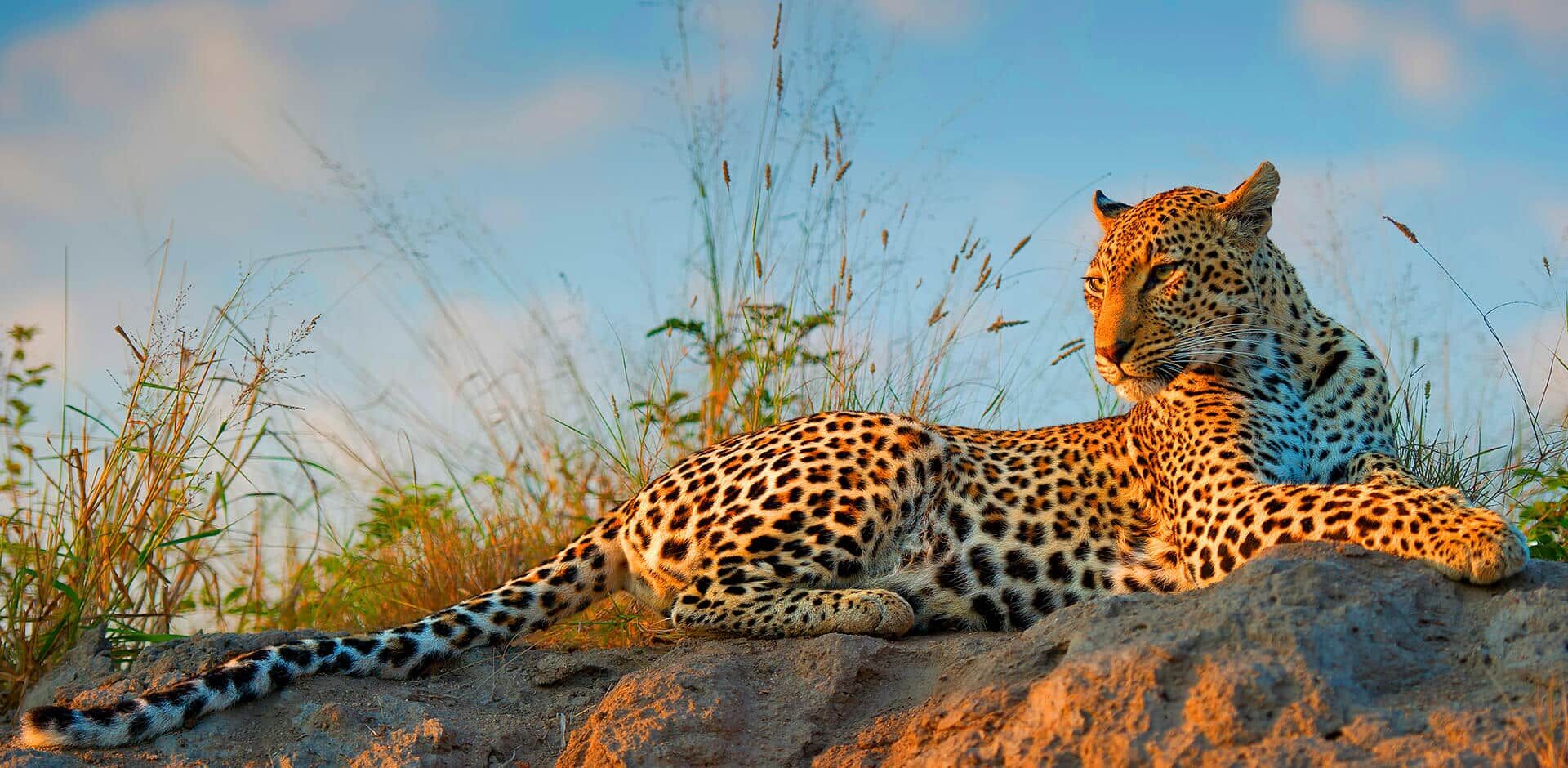
Leopards reward patience more than any other subject, and today is about time with them. Conservancy guides often know resident individuals by territory and temperament, and your guide will put you in position near a favoured tree or rocky outcrop. You may wait for hours for a leopard to stretch, climb or slip down for the evening hunt. That waiting is where the private vehicle pays off: nobody wants to leave, and nobody has to. Between leopard sessions, look for elephants against open sky, topi posing on termite mounds and martial eagles on dead branches. A bush breakfast in the field saves precious morning time.
From the Balloon Basket
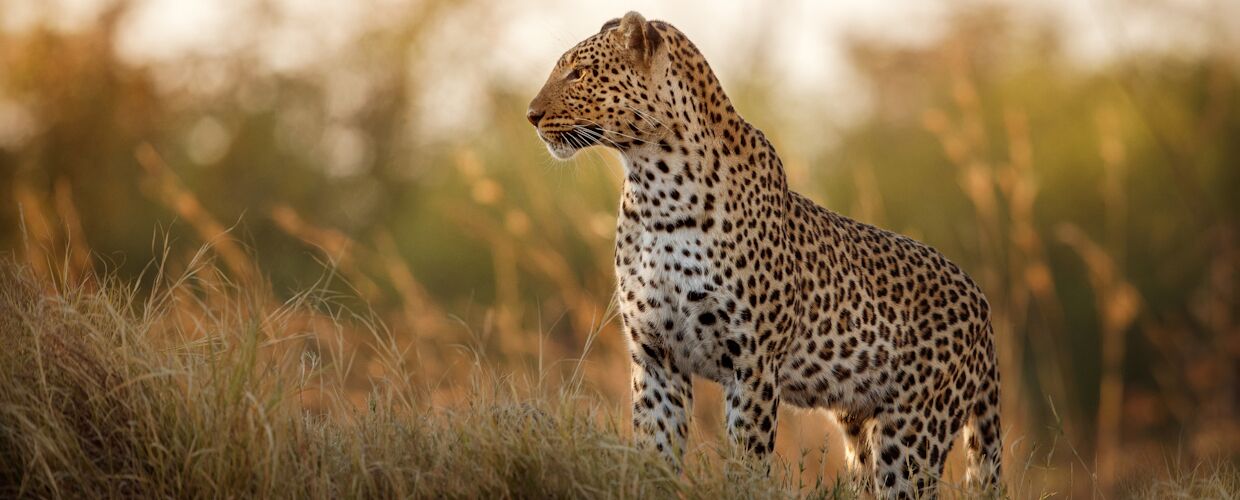
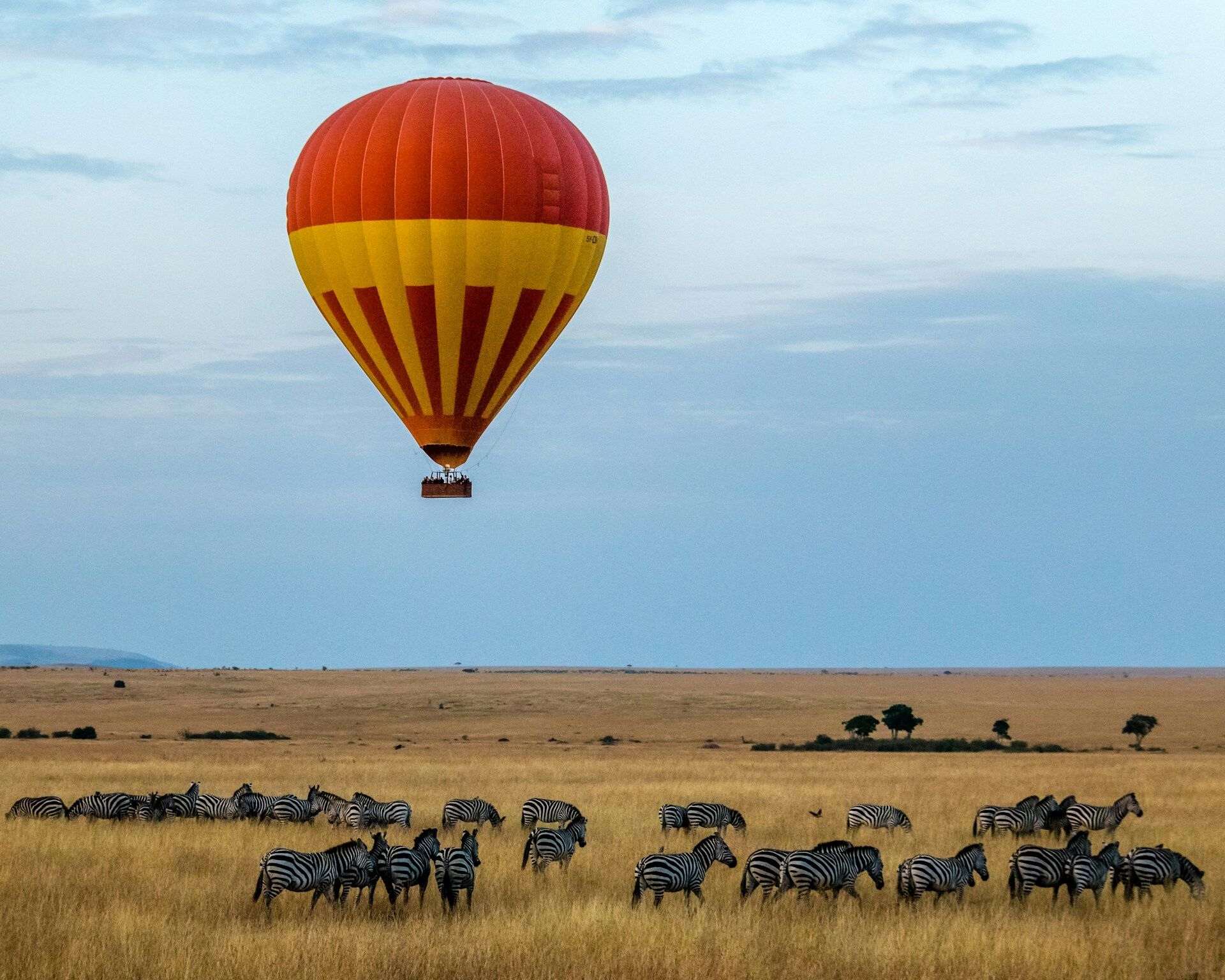
Your last full Mara day can begin, if you choose, in a balloon basket at sunrise, shooting the plains from above with herds, rivers and long shadows below; a mid-range zoom is ideal. Later, focus on the gaps in your portfolio, perhaps a lion portrait with an uncluttered background, a cheetah at full sprint or the Mara's towering skies. Between July and October, when the wildebeest are on the Mara side, a run to the river for crossings is worth considering, though it means entering the national reserve, where vehicles must stay on the roads. Finish with a sundowner and a review of your strongest frames.
Across the Border by Air
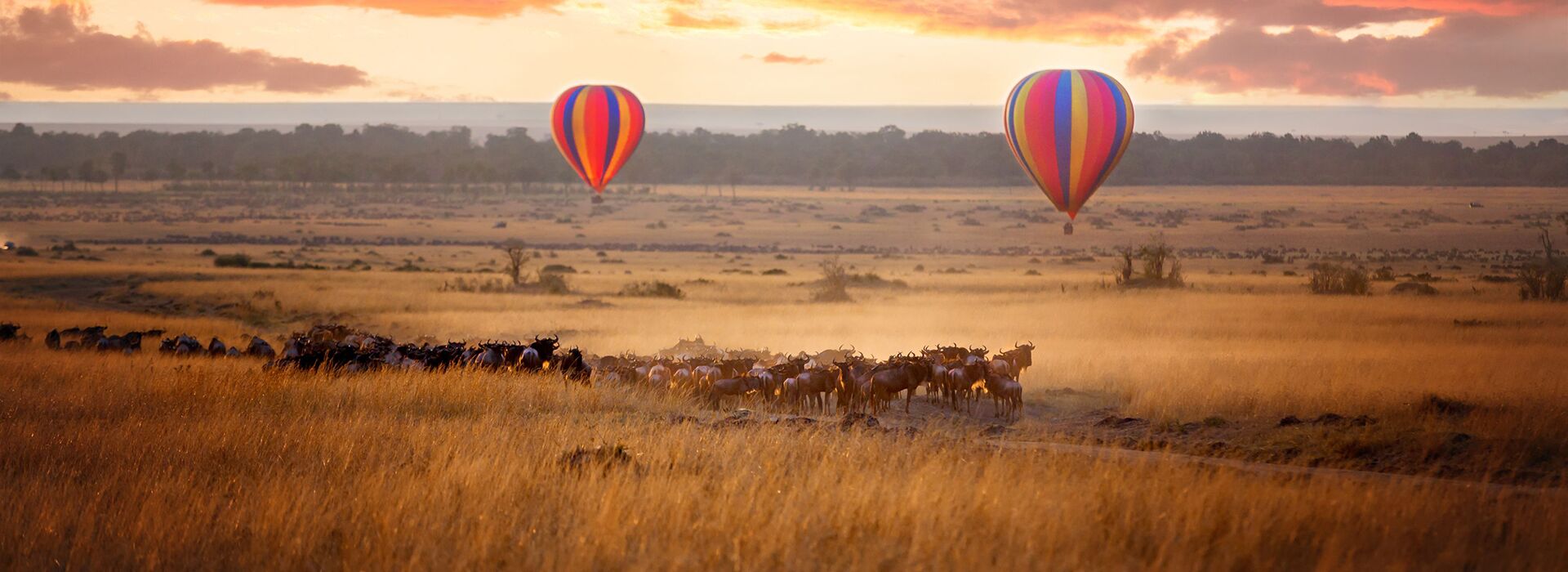
A final sunrise session, then a light aircraft touches down at Migori for your Kenyan exit stamps before continuing into Tanzania, where entry is completed en route to Seronera in the central Serengeti. Camera bags count towards the 15 kg soft-bag allowance, so plan your kit carefully. On the Tanzanian side a second guide is waiting with another private vehicle set up the same way. In the Serengeti, national park rules keep vehicles on the tracks, which makes your guide's reading of animal movement and sun angle even more important. The afternoon session explores the Seronera River, a reliable stretch for leopard and lion.
Kopjes and Big Skies
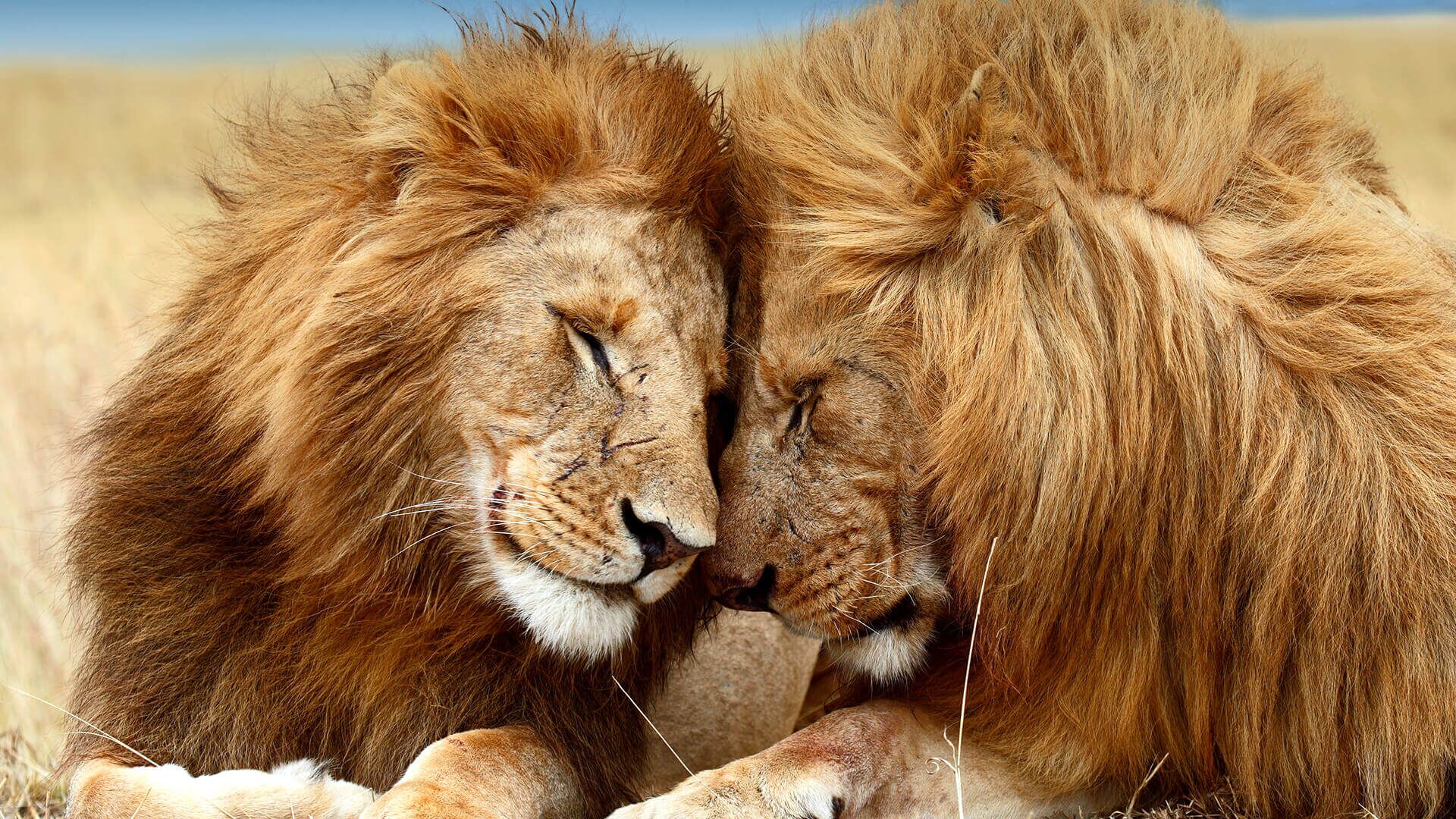
A full day on the central Serengeti plains. The granite kopjes here make wonderful compositions: lions sprawled on sun-warmed rock with nothing but sky behind them, or a lone acacia on the horizon for a wide-angle study of space. Early morning and late afternoon are spent with predators, while the middle of the day is for editing or, if clouds are building, shooting storm light over the grass. Depending on the season, the herds may be in the area, offering long lines of wildebeest to frame against the horizon. Your guide combines radio reports with years of local knowledge to choose the day's most promising area.
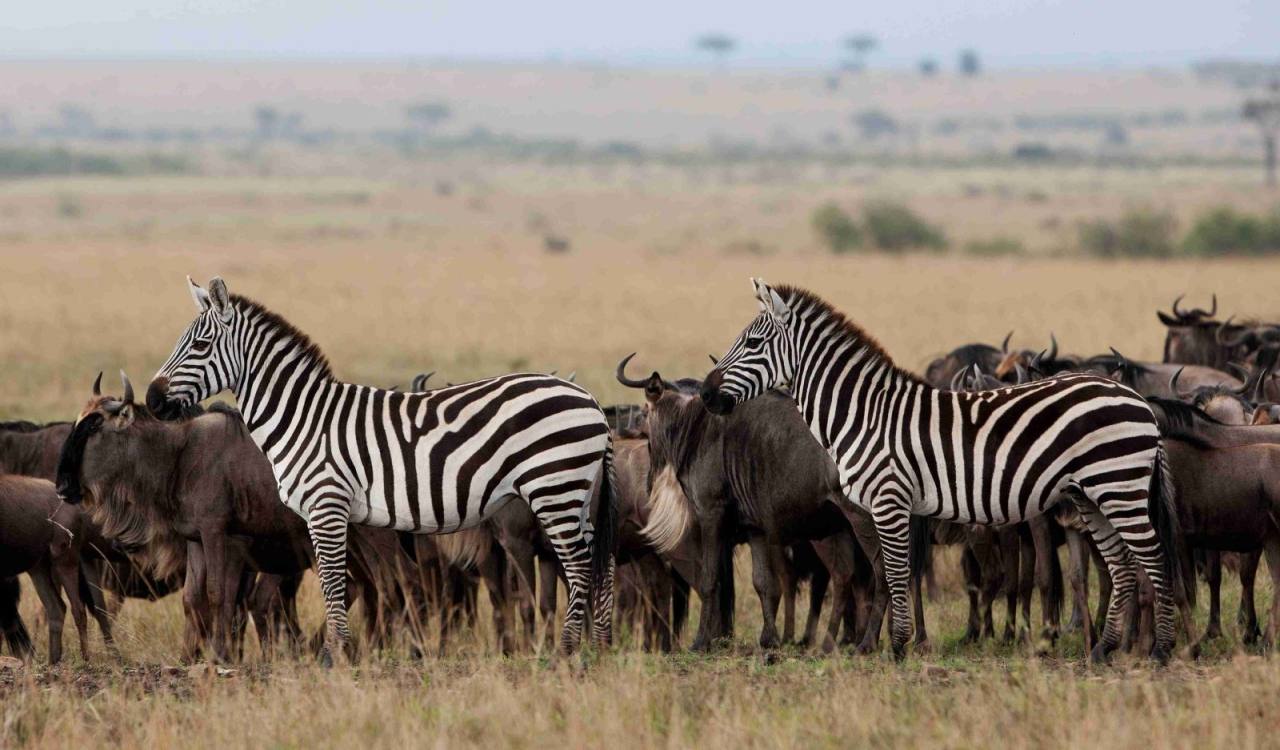
To the Crater's Edge
One more dawn on the plains, then the road carries you past Naabi Hill and up into the Ngorongoro highlands, about four hours with stops. In the afternoon you reach the crater rim, where the view over the caldera is a classic landscape composition. Late light rakes across the floor and picks out the soda lake, and clouds sometimes pour over the rim like slow water, an effect that rewards a small tripod and a longer exposure. The night is cold up here. Your guide will plan tomorrow's descent around the forecast, the light and where the animals are likely to be.
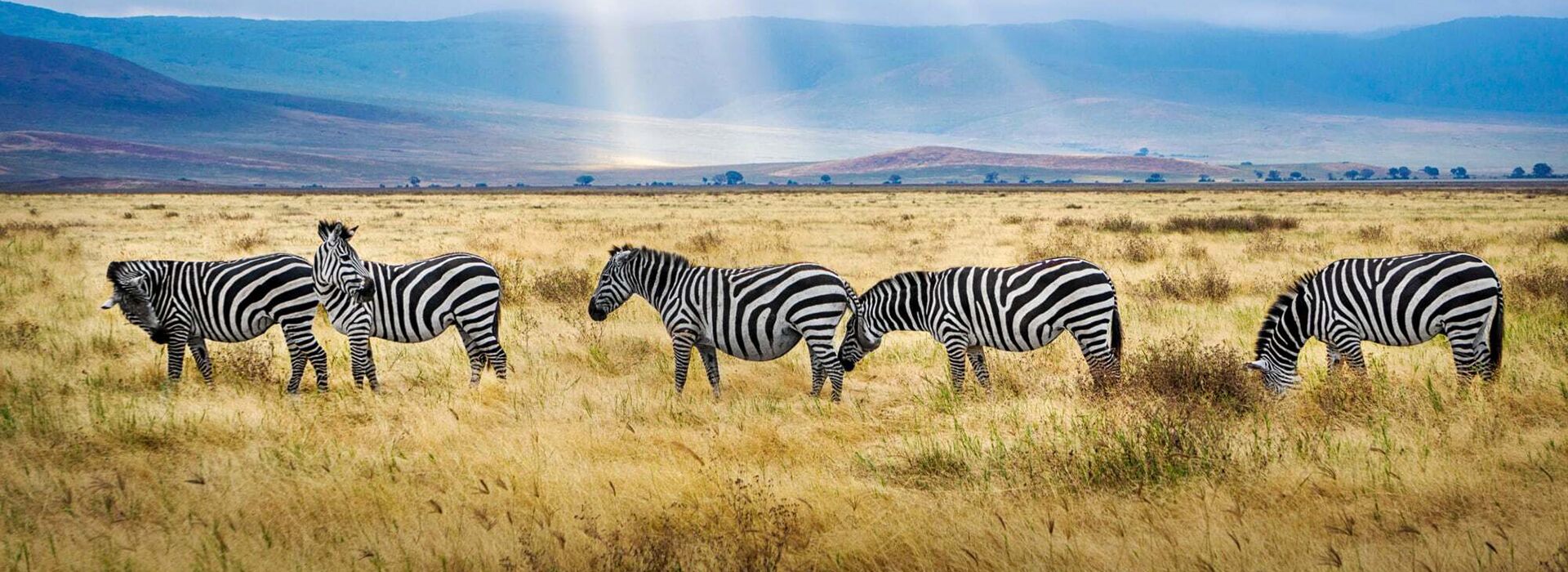
Mist on the Caldera, Then Tarangire
Aim to be among the first vehicles through the descent gate at dawn. In the early hours, mist often lingers on the crater floor and soft side light picks out rhino, lion and hyena against the dark walls behind. By late morning the light flattens and more vehicles arrive, so after a picnic you leave the crater and head for Tarangire, roughly two and a half hours away. There's time for a first evening session among the baobabs, whose massive trunks and bare branches become strong graphic shapes against a reddening sky, especially in the dry season when the leaves have fallen.
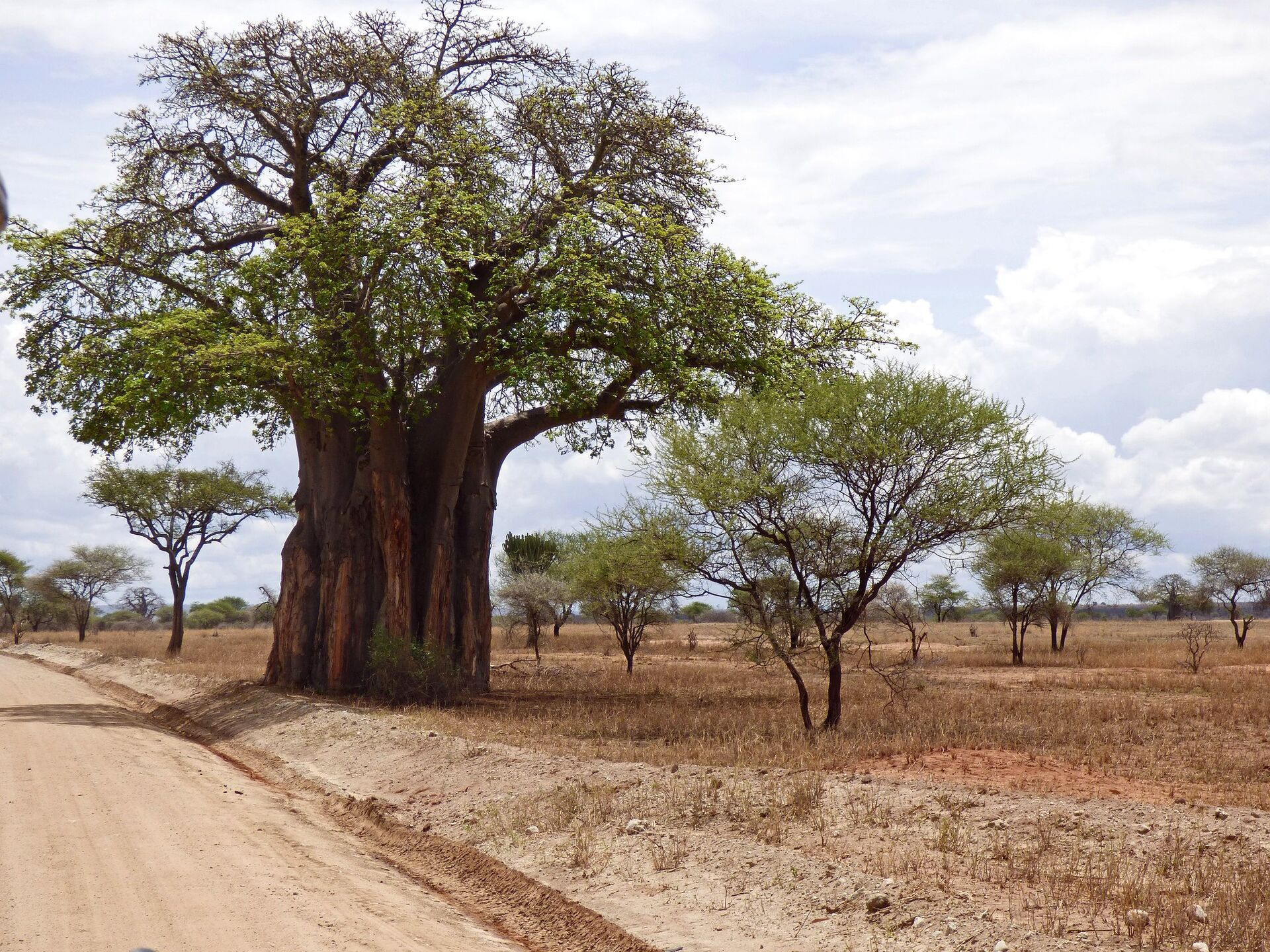
Elephants and Silhouettes
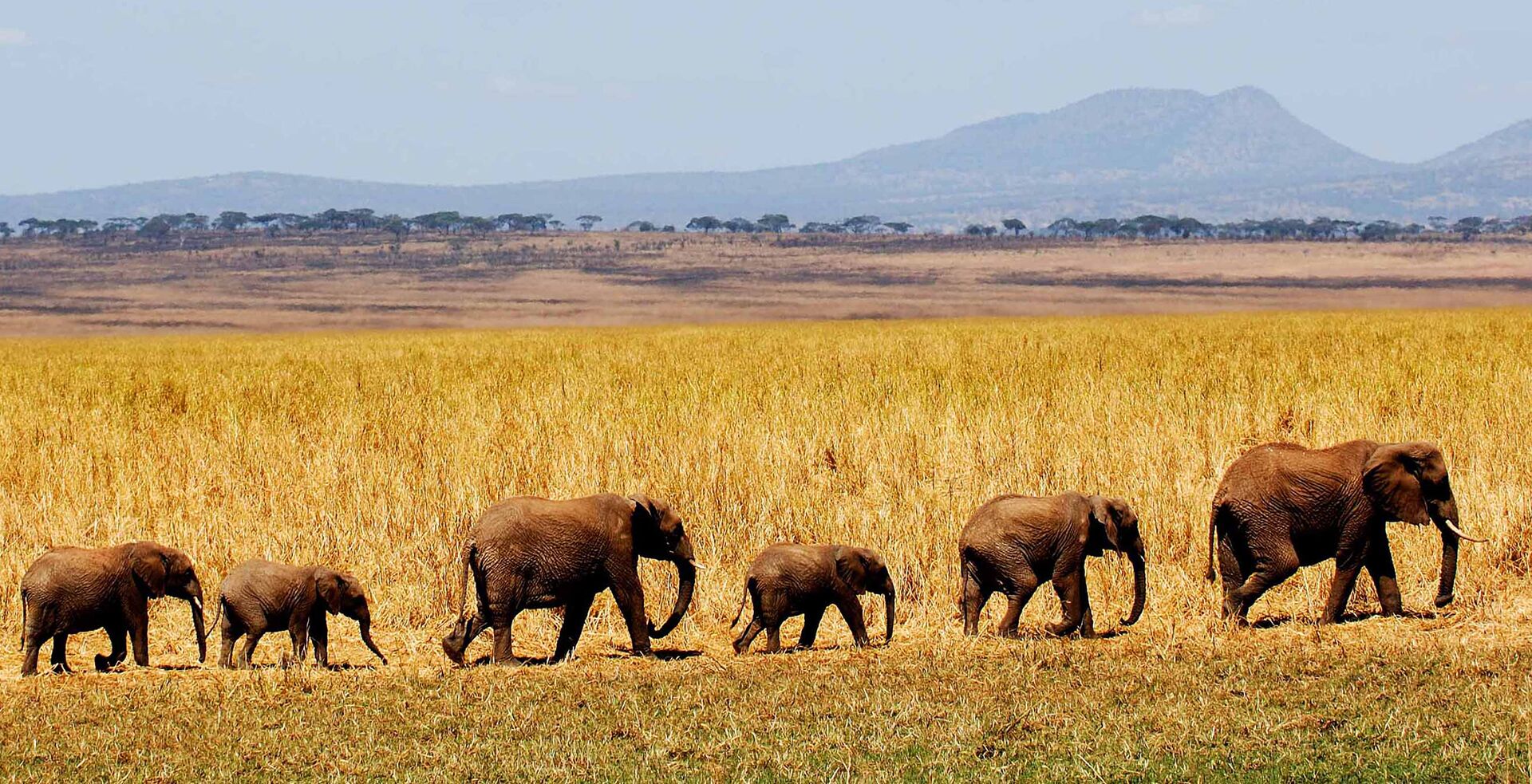
A full day in Tarangire, one of East Africa's finest places for elephant photography. In the dry season, herds gather along the Tarangire River, digging in the sand for water and kicking up dust that glows when backlit. Morning sessions might focus on intimate family scenes, with calves tucked between their mothers' legs; late afternoon is for silhouettes, with elephants, giraffe and baobabs set against the setting sun. You'll also find lions, buffalo and a superb bird list, including vivid lovebirds in the baobab branches. Your guide positions the vehicle for clean horizons and the right angle to the sun.
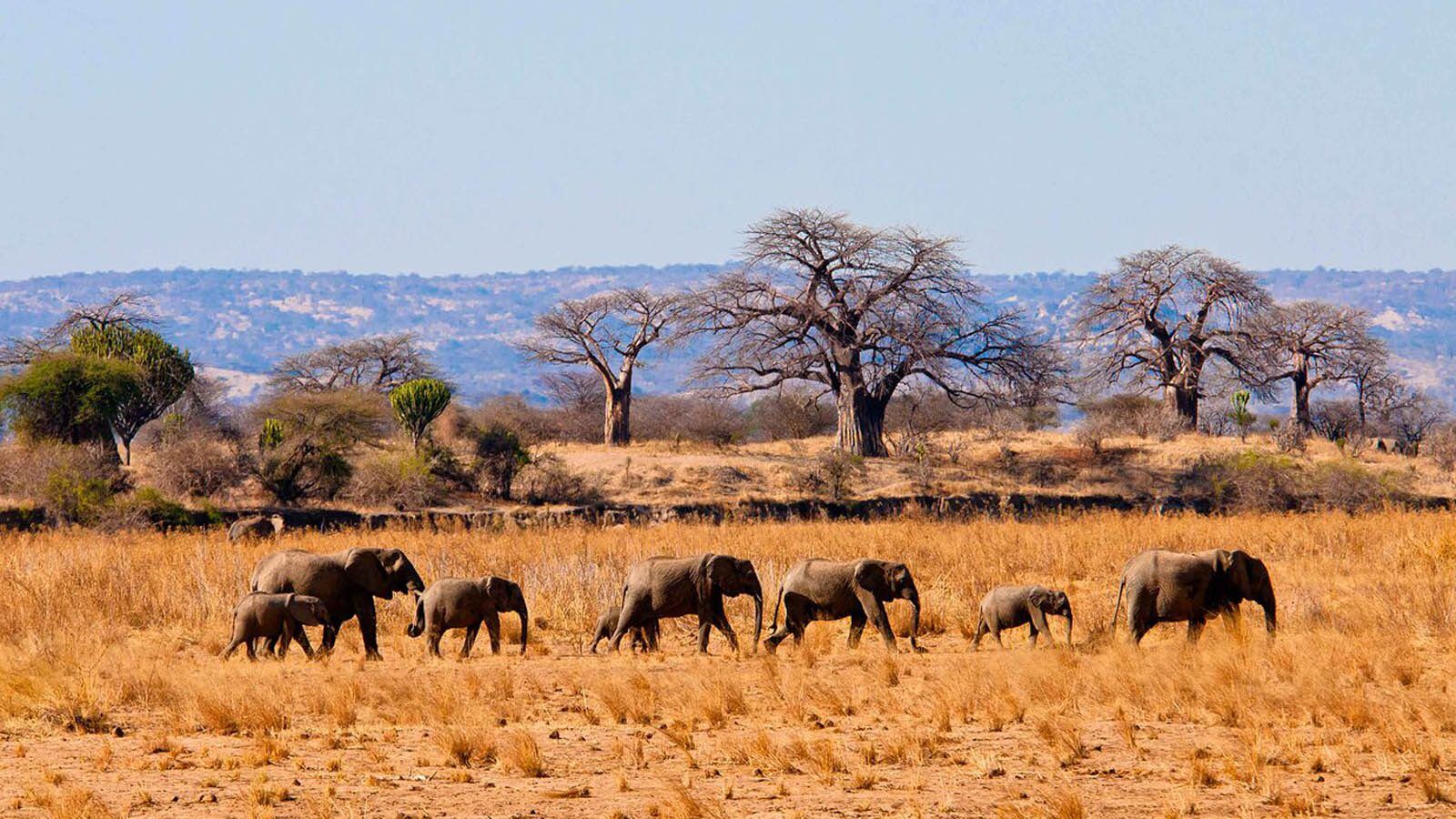
One Last Sunrise
Rise early for a final sunrise in Tarangire, the low light catching elephants as they walk toward the river. After breakfast the road takes you to Arusha in around two hours, with time to back up your last images over a coffee in town. From there you're dropped at Kilimanjaro International Airport or Arusha airport for your flight home. You'll leave with thousands of frames, a sharper sense of how light shapes an image and, if you're like most of the photographers we host, a long list of ideas for the next trip.
Your route
The parks, lakes and towns you'll travel through, in order.
What's included
Prices
Book as a group and the saving is applied to your quote.
Rates are per person per day, sharing a room, and cover everything under what's included. Your tailored quote confirms the final price for your dates. International flights are not included.
Frequently asked questions
How much camera gear can I take on the light aircraft?
What lenses should I bring?
Can we drive off-road everywhere?
Is this trip suitable for partners who don't take photographs?
What entry paperwork does the border crossing involve?
How long is the 12 Days Kenya & Tanzania Photography Safari?
How much does the 12 Days Kenya & Tanzania Photography Safari cost?
When is the best time to do the 12 Days Kenya & Tanzania Photography Safari?
What is included in the 12 Days Kenya & Tanzania Photography Safari?
Can this itinerary be customised?
Let's plan your safari
12 Days Kenya & Tanzania Photography Safari · 12 days
Tell us when you'd like to travel and who's coming. A Geob safari specialist in Nairobi will reply within one working day with availability, a tailored quote and any changes you'd like.
- No account or payment needed to enquire
- Every itinerary can be adjusted to your dates and pace
- Prefer to talk? +254 728 136 167
You might also like
 9 days
Best seller
9 days
Best seller
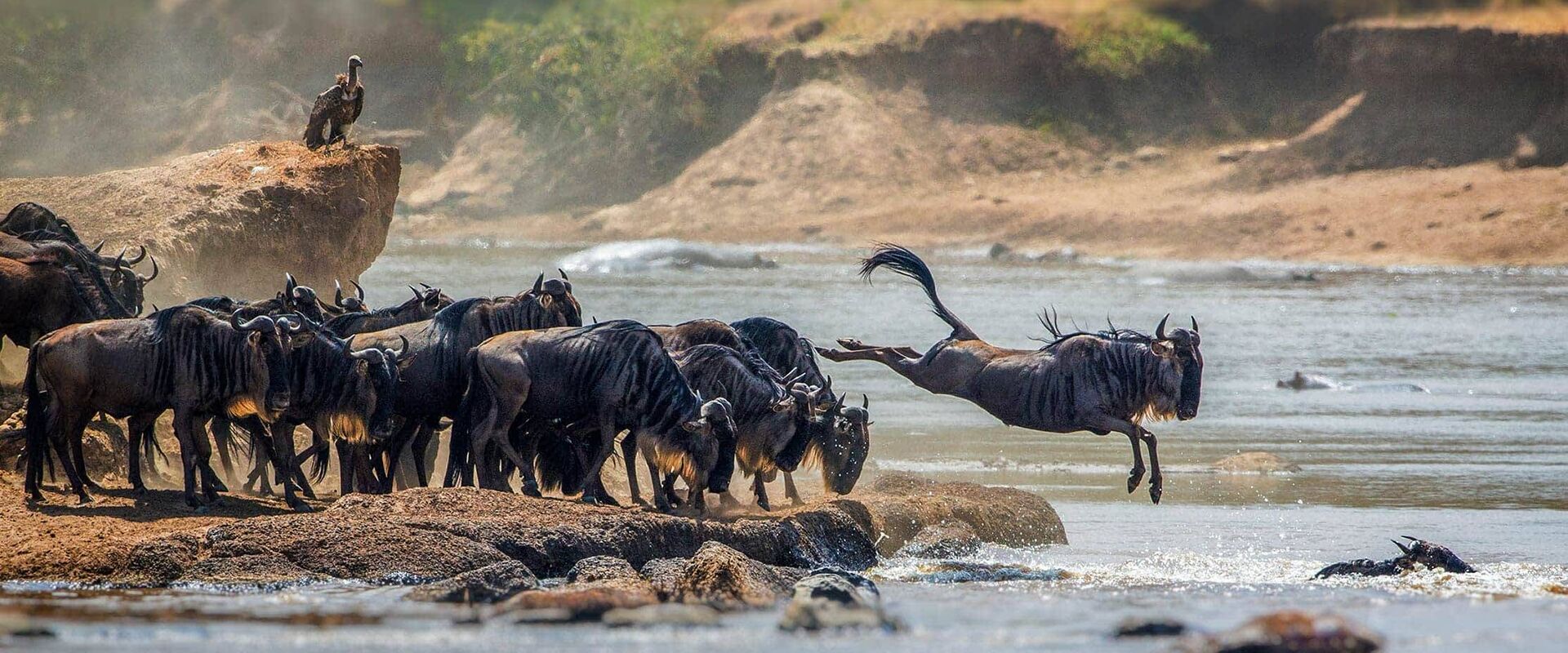
9 Days Maasai Mara & Serengeti Migration Safari
Two countries, two riverbanks, one chance to watch the herds take the plunge
 14 days
Best seller
14 days
Best seller
14 Days Kenya & Tanzania Big Five Safari
Fourteen days and seven great parks, from Samburu's desert rivers to Tarangire's baobabs
 6 days
6 Days Maasai Mara & Serengeti Fly-in Safari
Six days, four flights, almost no road: the Mara, Serengeti and crater for people short on time