

13 Days Rift Valley Lakes & Serengeti Birding Safari
A specialist-guided run from Rift Valley lakes to Tarangire's baobabs, chasing 400+ species
13 Days Rift Valley Lakes & Serengeti Birding Safari
This is a safari built around the dawn chorus. Your specialist bird guide sets the pace, carries the scope and knows the calls well enough to pick a skulking robin-chat out of a thicket at forty paces. The route follows the floor of the Great Rift Valley past five lakes, each with its own chemistry and its own birds, from the papyrus fringe of freshwater Naivasha to the steaming alkaline shore of Bogoria, where lesser flamingos gather in pink drifts.
At Lake Baringo you go out after dark with a local guide and a torch to find nightjars on the track and a Verreaux's eagle-owl blinking its pink eyelids from an acacia. Then the habitat changes completely: the Maasai Mara's grassland brings raptors overhead and Denham's bustards pacing through the grass, before a light aircraft carries you across the border into the Serengeti.
Tanzania adds the endemics that birders cross continents for: grey-breasted spurfowl and Fischer's lovebird in the Serengeti, golden-winged sunbirds on the Ngorongoro rim, and yellow-collared lovebirds and ashy starlings among Tarangire's baobabs. Your guide keeps a running list each evening, and in good conditions a trip total above 400 species is within reach. Lions, elephants and rhinos come as a generous bonus.
Ideal for: Keen birders and bird photographers who want long days in the field with a guide who knows every call, from first-timers in Africa to listers hunting endemics.
The journey in brief
You land in Nairobi and spend your first full morning on the forest edges and grasslands of Nairobi National Park before dropping into the Rift Valley. Boat trips and shoreline walks follow at Lake Naivasha and Lake Nakuru, then the road runs north to the hot springs and flamingos of Lake Bogoria and two nights at Lake Baringo, home to the trip's best owling. A long drive south brings you to the Maasai Mara for raptors and grassland specialities. From there you fly across the border to the northern Serengeti and bird your way south to Seronera. The final stretch climbs into the forested Ngorongoro highlands, drops to the crater floor and Lake Manyara's groundwater forest, and ends among Tarangire's baobabs before an evening flight home from Kilimanjaro International Airport.
Highlights
Day by day
First Calls in the Capital
Your specialist bird guide meets you at Jomo Kenyatta International Airport and drives you to your Nairobi base on the city's leafy western side. Birding starts before you unpack: speckled mousebirds clamber through the hedges, hadada ibises honk overhead at dusk, and a tropical boubou may duet from the shrubbery. Later, your guide sits down with you and the trip checklist, flagging the Rift Valley specialities and Tanzanian endemics worth chasing hardest, and talks through optics, camera settings and the field guides worth carrying. Dinner is early, because tomorrow begins in darkness, with a flask of coffee on the dashboard and the gates of Nairobi National Park opening at six.
Forest Edge to Freshwater
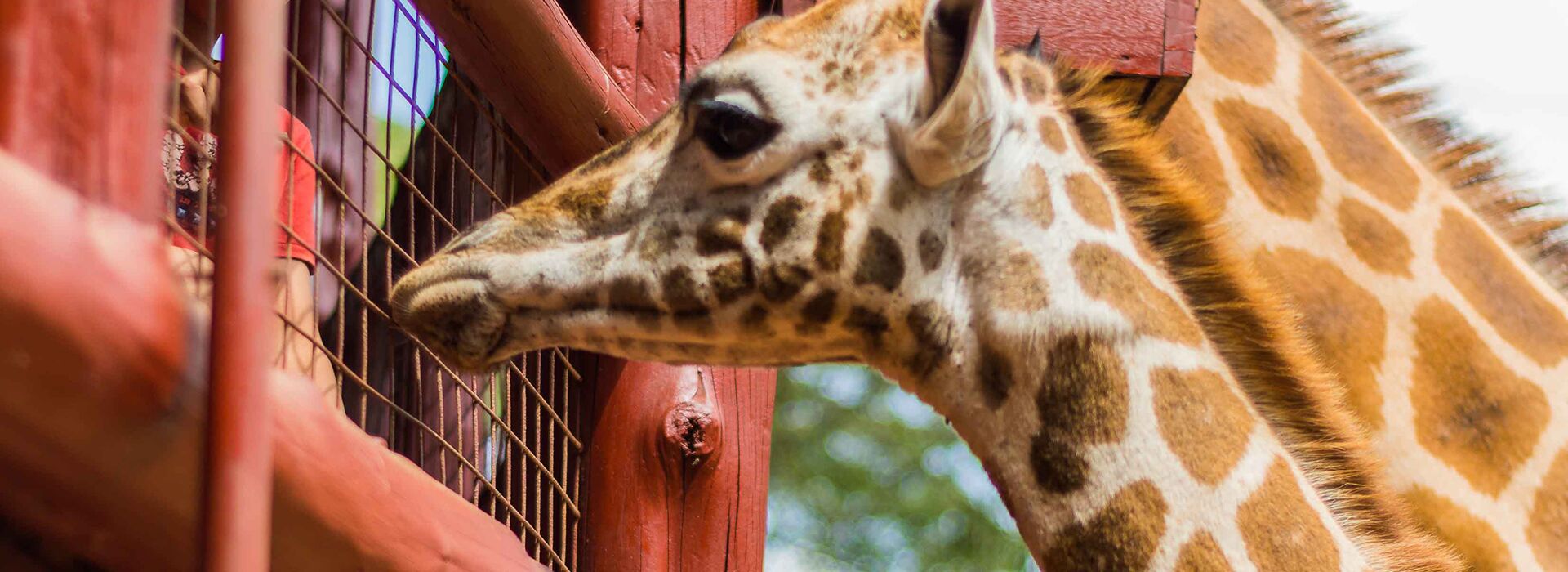
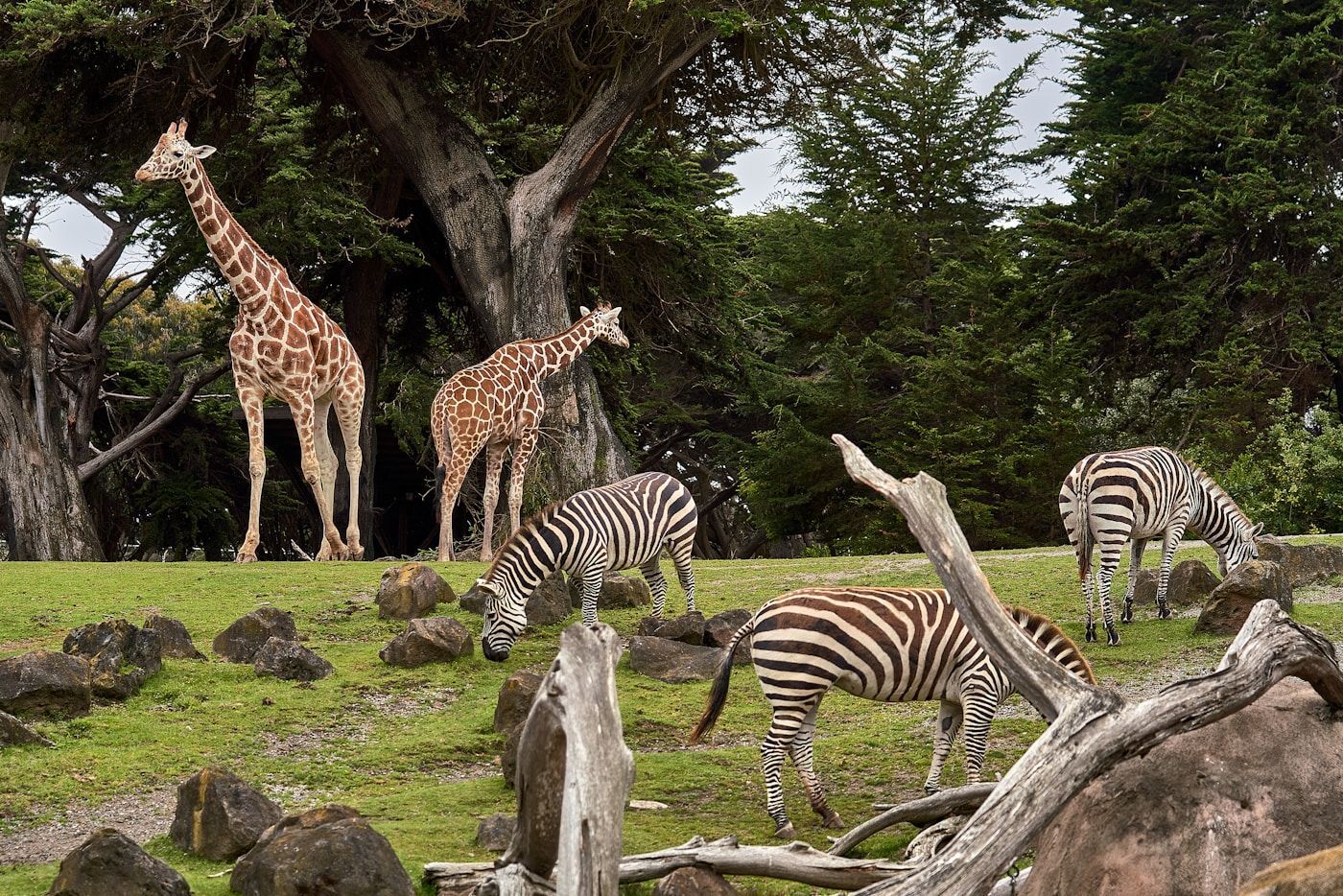
Through the main gate at first light, you work the forest edge where Hartlaub's turacos flash crimson wings between the trees and cinnamon-chested bee-eaters sally out from bare twigs. Out on the open plains, with the city skyline behind the giraffes, your guide scans for secretarybirds, Hartlaub's bustards and, after the rains, Jackson's widowbirds bouncing above the grass in display. After a late breakfast you drive about two hours north-west, over the lip of the escarpment and down into the Rift Valley. By mid-afternoon you are drifting along the papyrus edge of Lake Naivasha in a small boat, where malachite kingfishers perch at eye level and fish eagles throw back their heads to call.
Pelicans and Pink Shallows
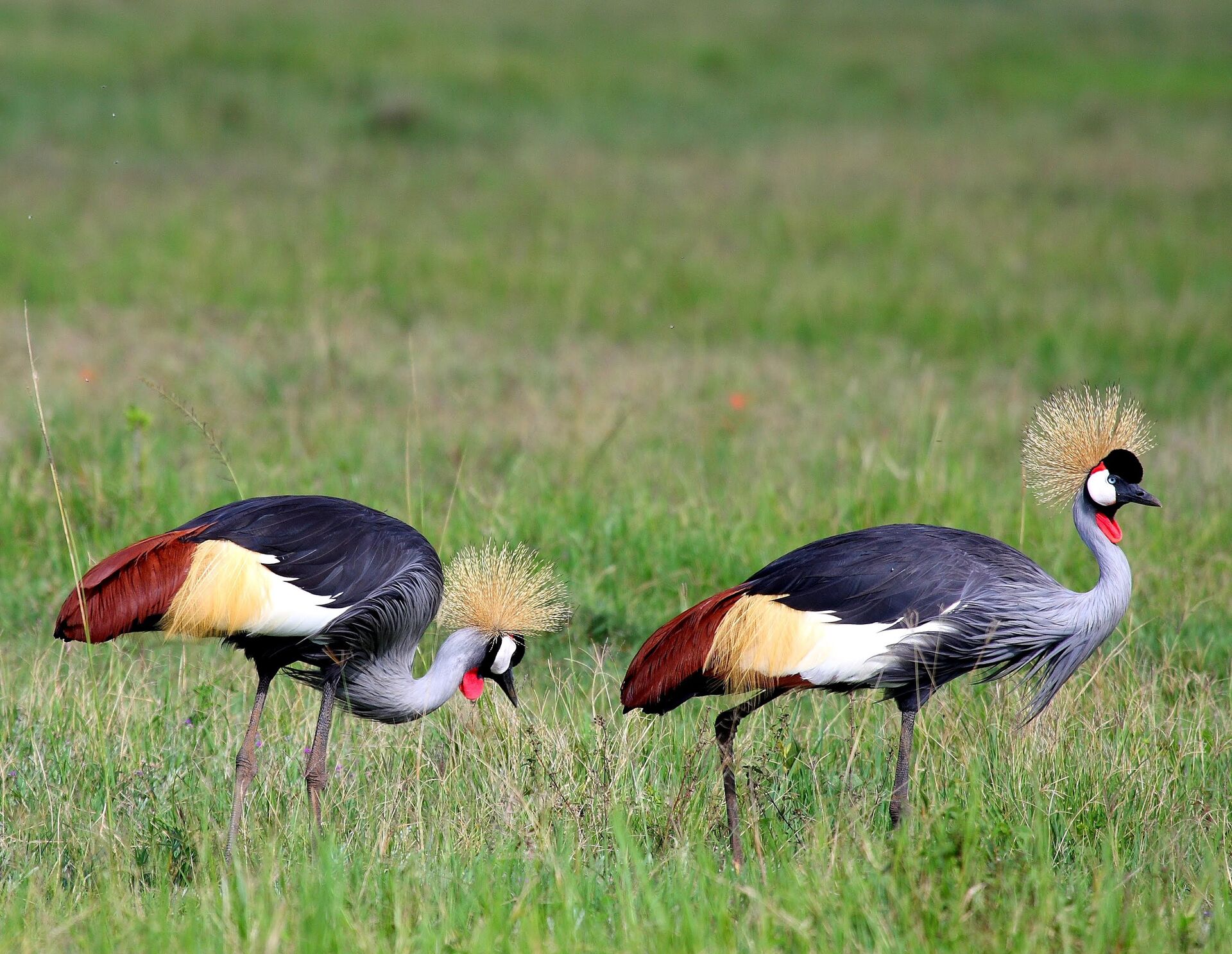
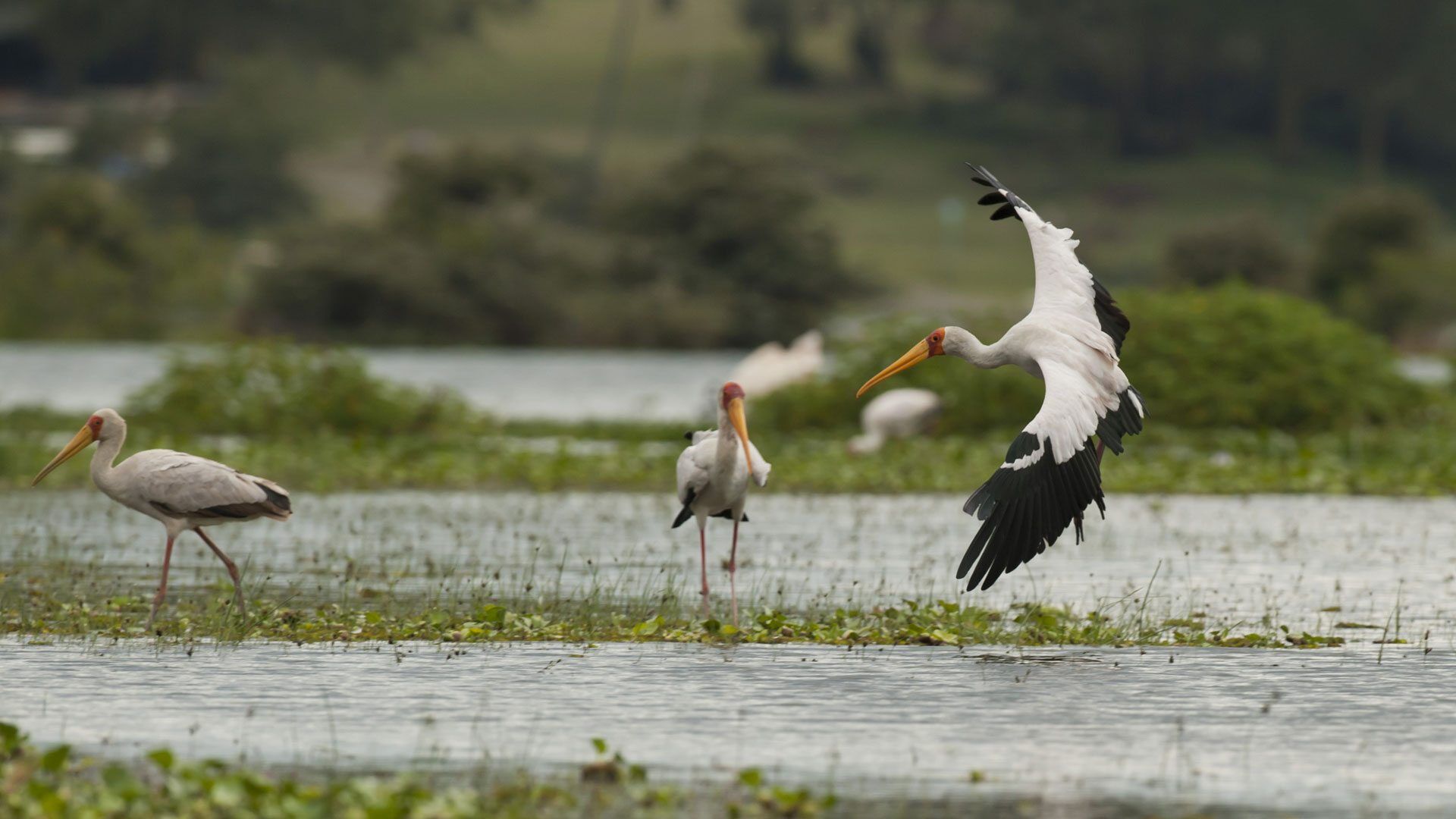
Morning is for the Naivasha shoreline on foot. Under the yellow fever trees, grey crowned cranes stalk the grass, white-fronted bee-eaters flick out from low banks and arrow-marked babblers chatter in noisy family parties. Waders work the margins, from African spoonbills and black-winged stilts to, between October and April, sandpipers newly arrived from Europe and Siberia. Before lunch you drive about ninety minutes north to Lake Nakuru National Park. Its alkaline shore delivers rafts of great white pelicans, yellow-billed storks and whatever flamingo numbers the water level allows this season. In the woodland your guide checks shady boughs for roosting owls, and white rhinos graze unconcerned near the track.
Steam and Flamingos at Bogoria
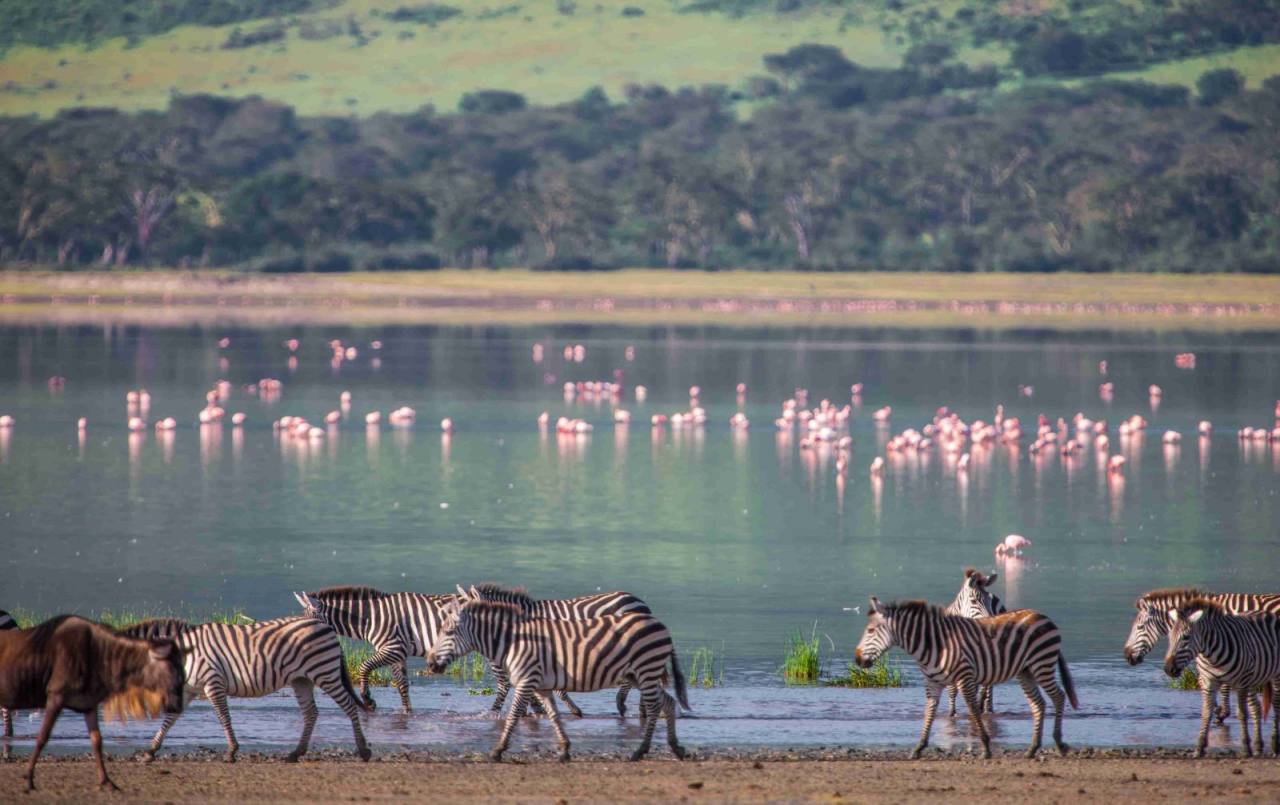
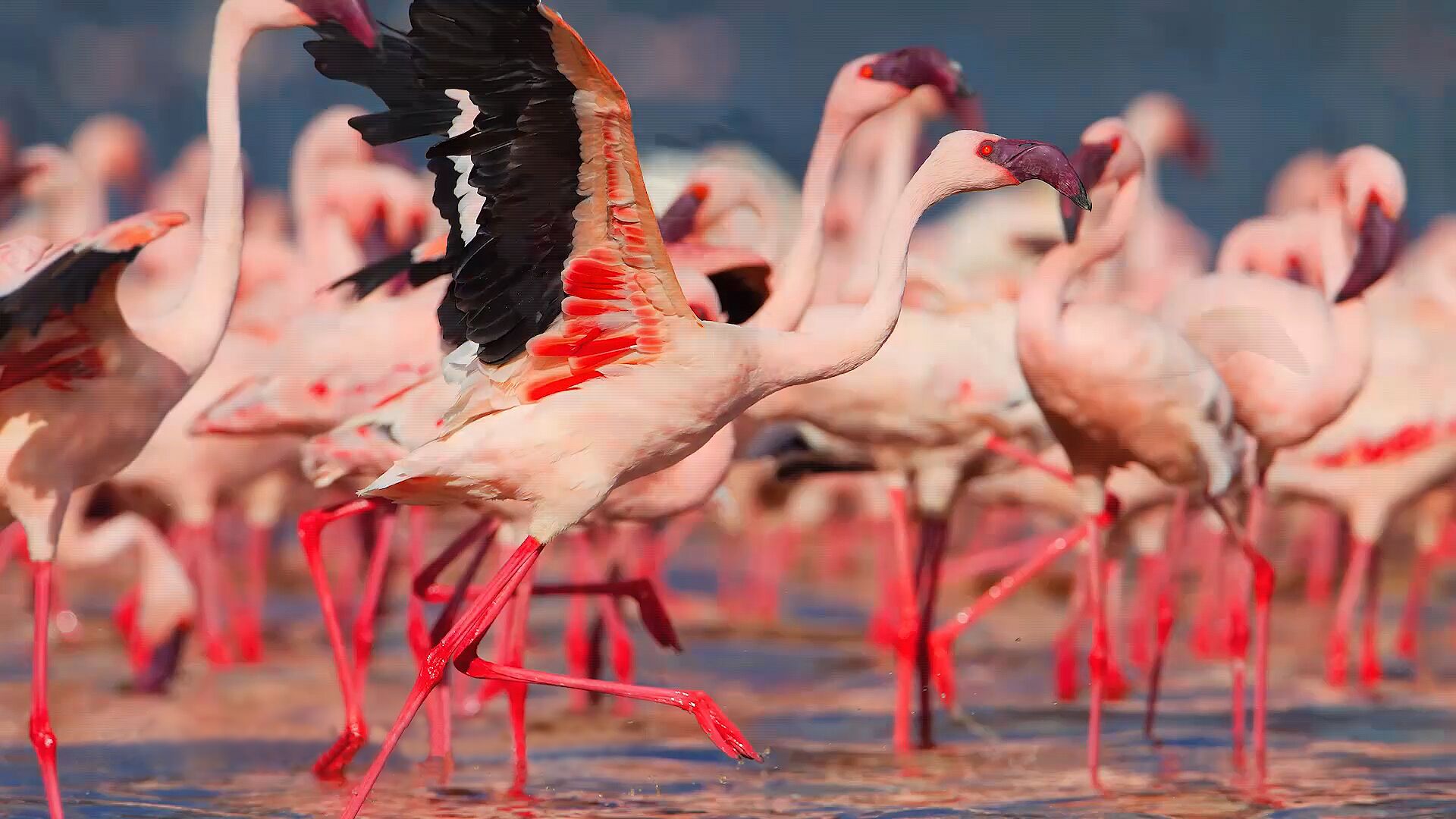
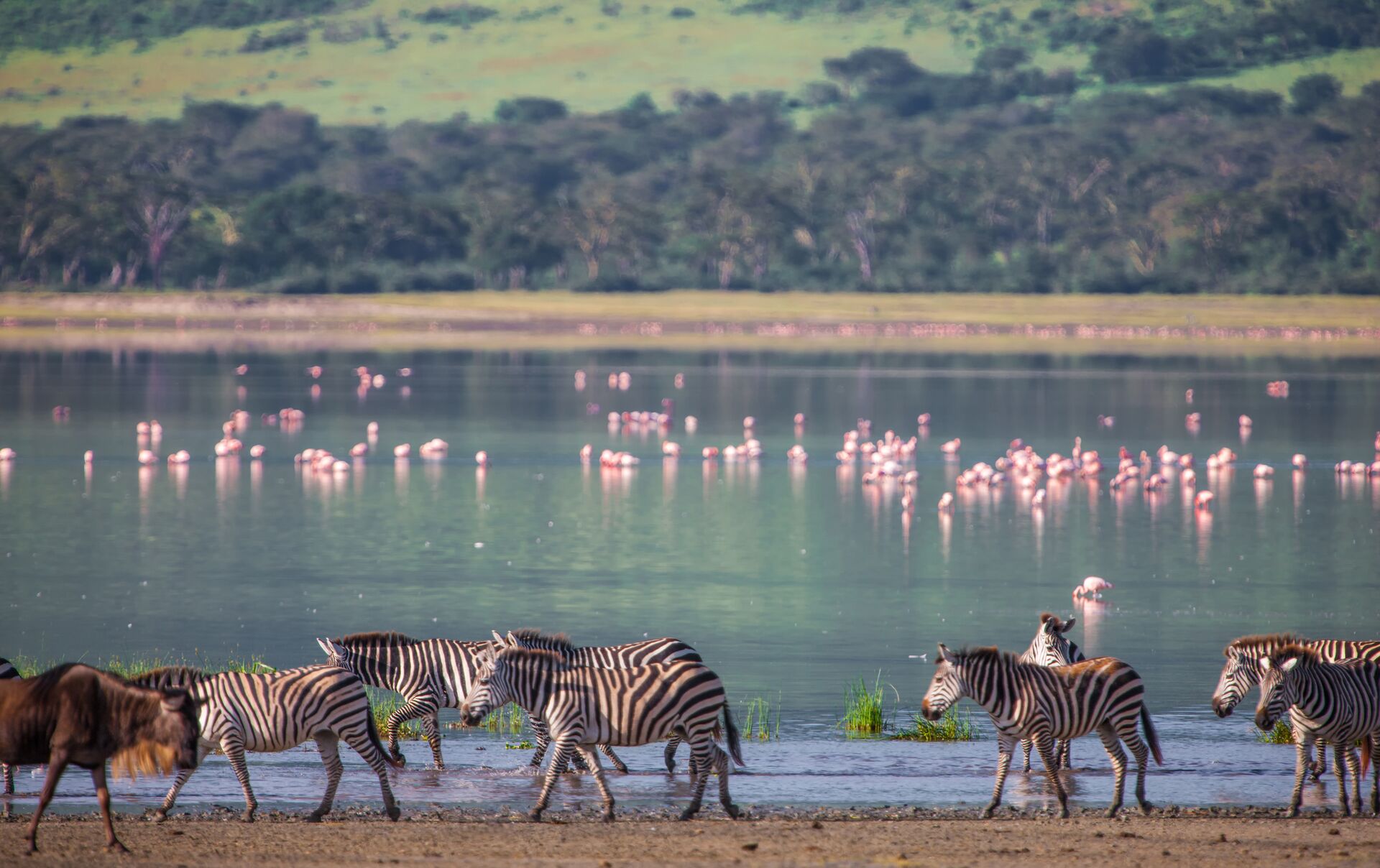
A dawn loop of Nakuru's woodland and escarpment comes first, with long-tailed widowbirds trailing black streamers over the grass. Then the road runs north through farmland and thornbush to Lake Bogoria, about two hours away. Here the earth vents: hot springs boil at the water's edge, geysers spit, and the air carries a faint smell of sulphur. When conditions suit them, lesser flamingos crowd the shallows in their tens of thousands, heads upside down as they filter algae. Late in the day, with the low sun lighting the Siracho escarpment across the water, you walk the shore with your guide, listening for hornbills calling from the scrub.
Owls After Dark at Baringo
Before leaving Bogoria you search the reserve's dry woodland, where greater kudu step out of the bush with spiralled horns and Jackson's hornbills forage on the ground. It is about an hour north to Lake Baringo, a freshwater lake ringed by cliffs and fishing villages. After lunch and a rest through the heat, you meet the local bird guides who have spent years learning every roost and territory here. The real show begins at dusk. Walking the tracks behind the shore by torchlight, you look for slender-tailed nightjars rising from the sand, Heuglin's coursers standing motionless and a northern white-faced owl peering from a thorn tree.
Cliffs, Boats and an Eagle-Owl
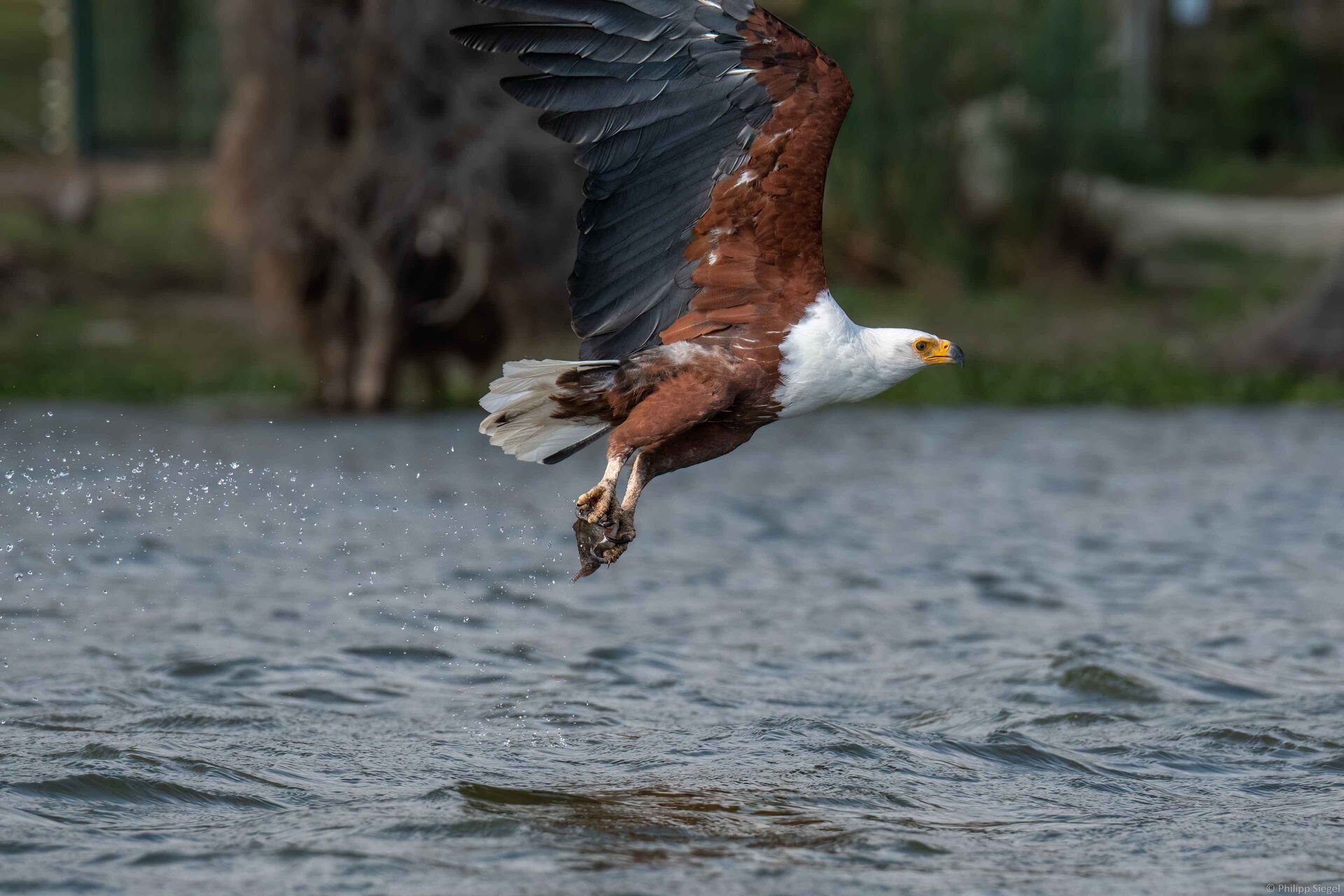
The basalt cliffs west of the lake are best at first light, so you are on the path early, scanning for Hemprich's hornbills sailing out over the scree and bristle-crowned starlings on the rocks. Back on the flat, your local guide leads you quietly to a daytime roost where a Verreaux's eagle-owl, Africa's largest owl, sits with pink eyelids half closed. After lunch and a siesta, you take to the water in a small boat. Goliath herons stand in the shallows, African jacanas tiptoe across floating vegetation and pied kingfishers hover overhead. Then the boatman whistles and tosses a fish, and a fish eagle drops from a tree to snatch it a few metres from your lens.
South to the Mara's Big Skies
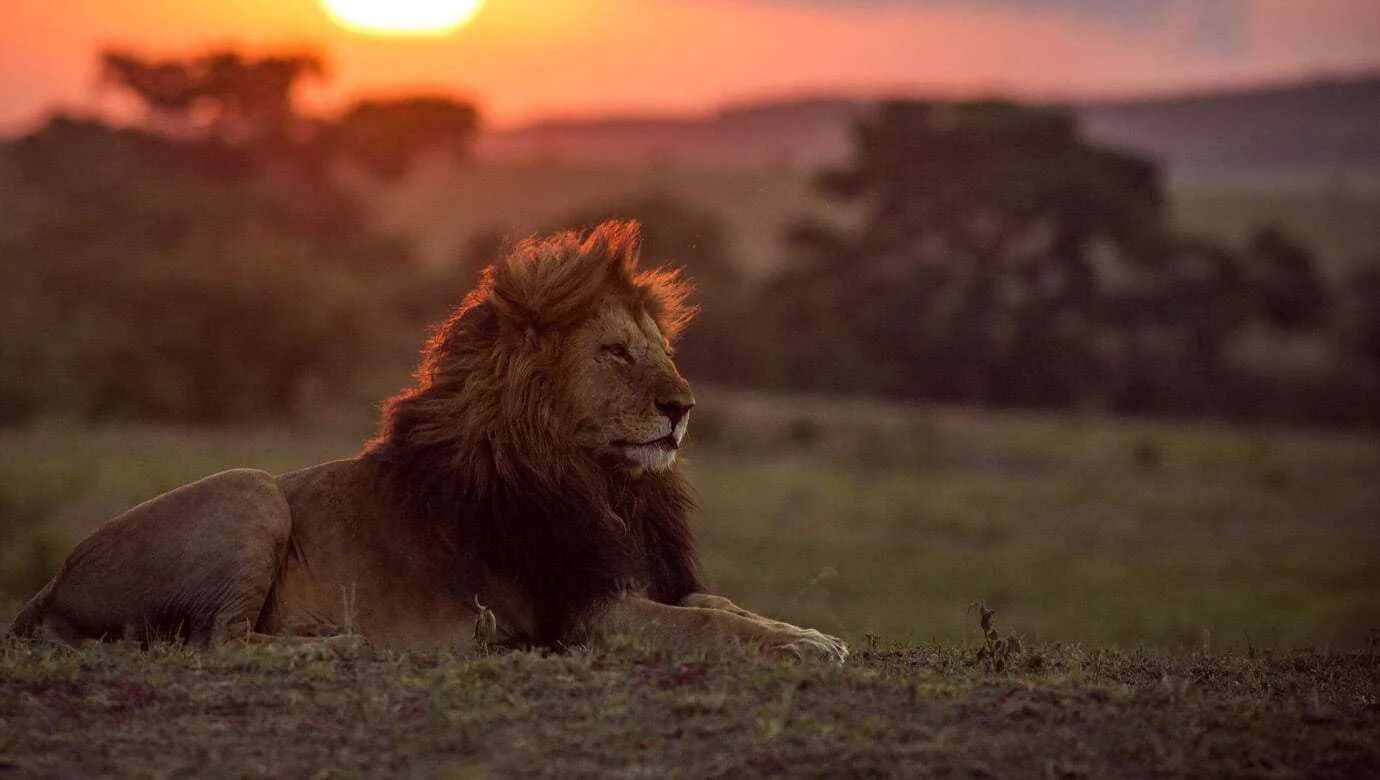
Today is the longest drive of the trip, roughly seven hours south through Nakuru and Narok, broken by birding stops wherever the habitat changes: a roadside wetland for herons and ducks, a patch of highland scrub for sunbirds, a lunch spot with a weaver colony overhead. As the tarmac gives way to the rolling grassland of the Maasai Mara, the birds shift again, and lilac-breasted rollers seem to sit on every second bush. You arrive in time for a short evening drive, with vultures circling over a kill and perhaps a pride of lions waking up. Dinner is a chance to close the Rift Valley list before the Mara starts a new one.
Raptors over the Grass
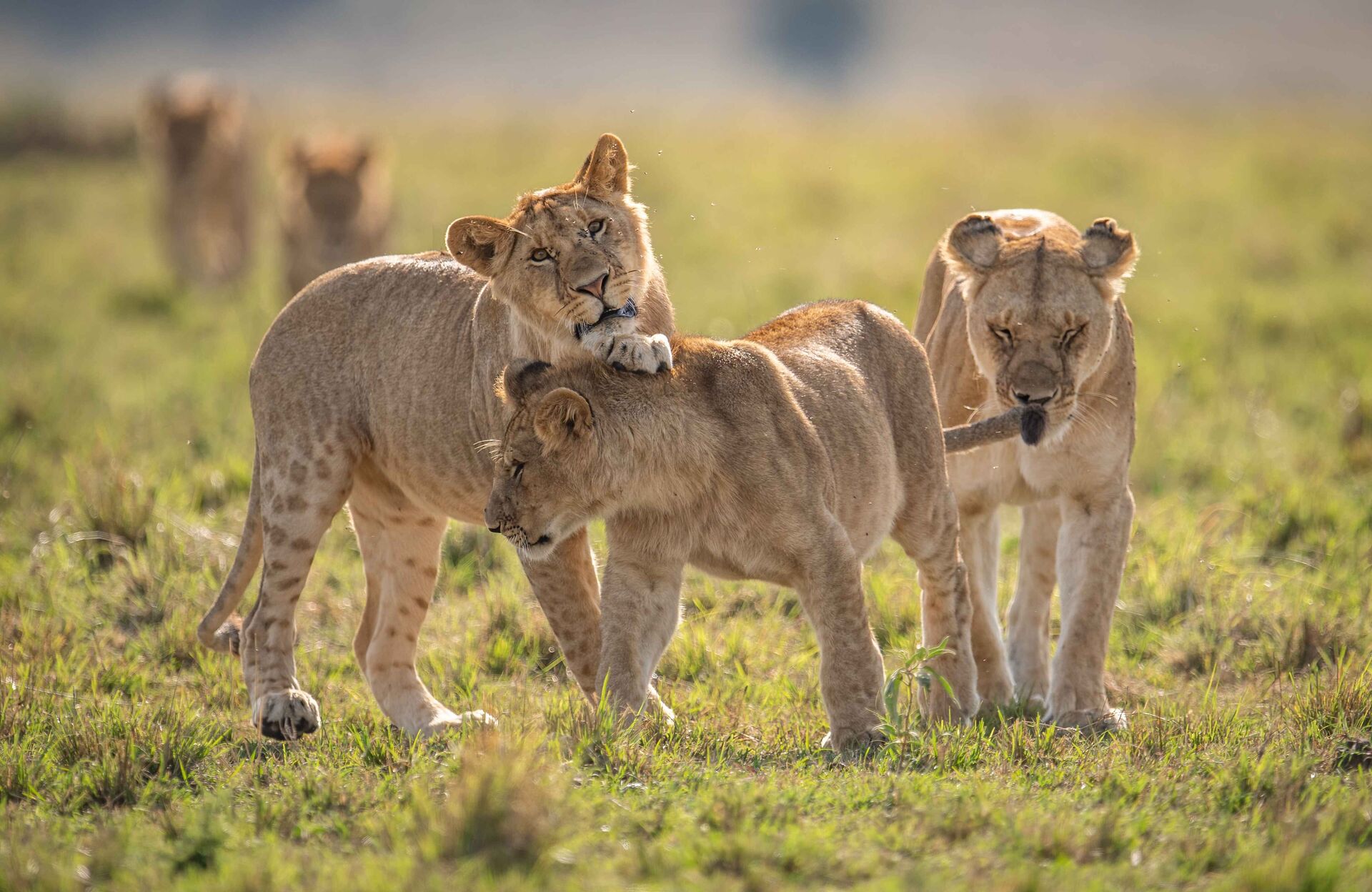
This is a day of looking up and looking down. Overhead, the Mara's thermals carry bateleurs rocking on stubby tails, martial and tawny eagles and as many as six species of vulture, each with its own place in the queue at a carcass. In the long grass your guide picks out Denham's bustards striding with slow dignity, black-bellied bustards making their odd popping call and rosy-throated longclaws showing off their pink throats. After a picnic under a lone tree, you work the riverine woodland for Schalow's turaco and the Usambiro barbet, a Mara and Serengeti speciality. Lions and elephants keep interrupting. Nobody complains.
Across the Border by Light Aircraft
A short transfer brings you to the airstrip for a light-aircraft flight to Migori, where you complete Kenyan exit formalities, then a hop over the border to Kogatende in the northern Serengeti for Tanzanian immigration. Your soft bag, optics included, must stay within 15 kg. A Tanzanian birding guide and vehicle meet you on the strip, and the drive south begins at once, through the Lobo hills with their granite kopjes, where mocking cliff chats and the first of the endemics appear. Expect a long but rewarding day on the road, reaching the woodlands and rivers of the central Serengeti around Seronera in time for the evening chorus.
Endemics of the Serengeti
Fischer's lovebirds, small and green with peach faces, squabble at puddles in the morning, and grey-breasted spurfowl scuttle along the track edges; both live almost nowhere outside northern Tanzania. Your guide works the fig and acacia belts along the Seronera River for Usambiro barbets and rufous-tailed weavers, then heads out to the open plains for kori bustards, secretarybirds and larks. Where there are stands of whistling thorn, it is worth a patient search for the scarce Karamoja apalis. Between birds, the Serengeti's cats do as they please: a leopard draped in a sausage tree, lions spread across a kopje. By this evening's checklist, the trip total is usually past three hundred.
Up into the Crater Highlands
Leave Seronera early and stop at Naabi Hill, the park's south-eastern gate, where rufous-tailed weavers bounce through the acacias around the picnic area. The short-grass plains beyond can produce coursers, sandgrouse and, in the northern winter, Caspian plovers. You pass the Olduvai Gorge area and climb into the cool, green highlands of the Ngorongoro Conservation Area. In the afternoon your guide slows right down for the montane forest on the crater rim: golden-winged sunbirds probing orange flowers, Hunter's cisticolas duetting from the scrub and Schalow's turacos calling from deep in the canopy. The temperature drops sharply after sunset at more than 2,200 metres, so keep a fleece in your day bag.
Crater Floor and Groundwater Forest
You descend the crater wall at first light, while the floor is still in shadow. Grey crowned cranes dance in the grass, kori bustards puff out their necks in display, and the edges of the soda lake hold flamingos and avocets. Rosy-throated longclaws and rufous-naped larks sing from tussocks, and there is a fair chance of a black rhino far out on the plain. After a picnic beside the hippo pool, you climb out and descend the rift escarpment to Lake Manyara for an afternoon in its groundwater forest. Silvery-cheeked hornbills bray from the tall trees, crowned eagles hunt monkeys, and the lakeshore fills with pelicans and storks.
Lovebirds Among the Baobabs
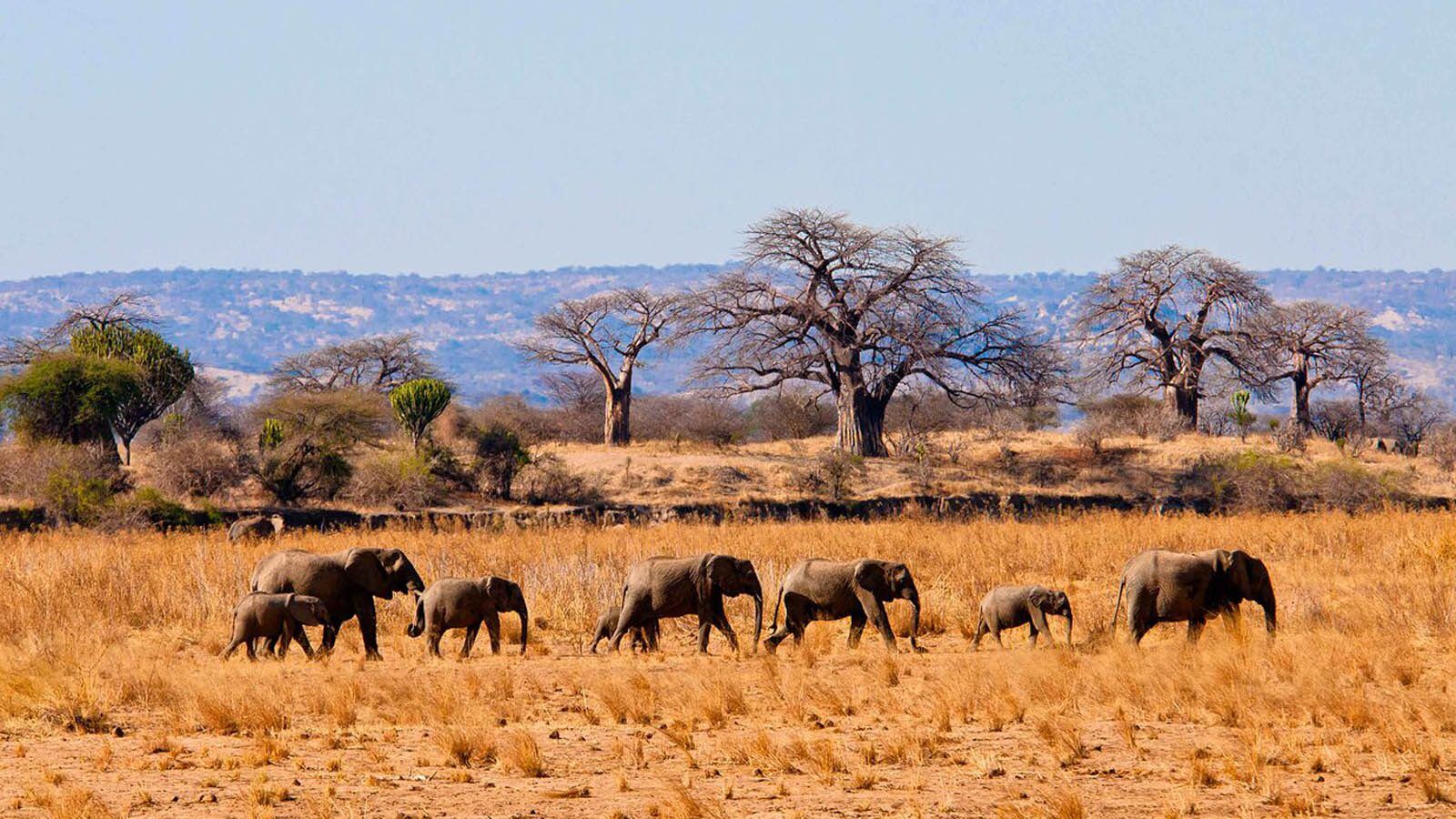
Your final morning is in Tarangire National Park, about an hour south. Great baobabs and the Tarangire River draw elephants in big family herds, but today's targets are smaller: the yellow-collared lovebird, which nests in baobab hollows, and the ashy starling, both found almost nowhere outside Tanzania. Red-and-yellow barbets duet from termite mounds, and black-faced sandgrouse sit tight on the dusty track until the last moment. After lunch and a final checklist, sometimes the moment the 400 mark falls, you drive about three hours via Arusha to Kilimanjaro International Airport for your evening flight home, with a list to pore over all the way.
Your route
The parks, lakes and towns you'll travel through, in order.
What's included
Prices
Book as a group and the saving is applied to your quote.
Rates are per person per day, sharing a room, and cover everything under what's included. Your tailored quote confirms the final price for your dates. International flights are not included.
Frequently asked questions
How many species can I realistically expect?
Can we add Kakamega Forest?
What about luggage and optics on the light-aircraft flight?
Which visas do I need for Kenya and Tanzania?
Will a non-birding partner enjoy this trip?
How long is the 13 Days Rift Valley Lakes & Serengeti Birding Safari?
How much does the 13 Days Rift Valley Lakes & Serengeti Birding Safari cost?
When is the best time to do the 13 Days Rift Valley Lakes & Serengeti Birding Safari?
What is included in the 13 Days Rift Valley Lakes & Serengeti Birding Safari?
Can this itinerary be customised?
Let's plan your safari
13 Days Rift Valley Lakes & Serengeti Birding Safari · 13 days
Tell us when you'd like to travel and who's coming. A Geob safari specialist in Nairobi will reply within one working day with availability, a tailored quote and any changes you'd like.
- No account or payment needed to enquire
- Every itinerary can be adjusted to your dates and pace
- Prefer to talk? +254 728 136 167
You might also like
 11 days
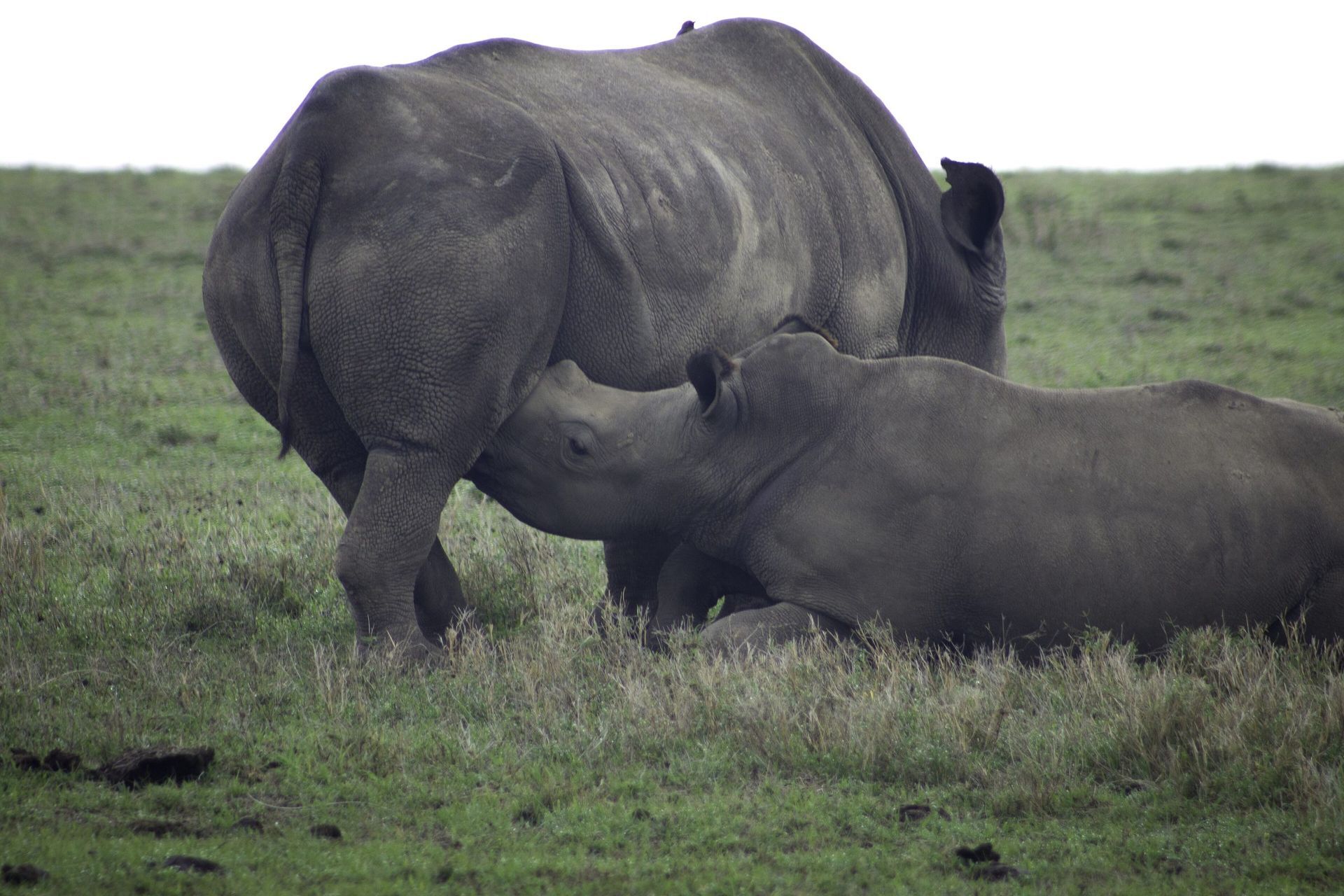
11 Days Ol Pejeta, Lewa & Serengeti Rhino Safari
Track black rhino with rangers, meet the K9 unit and see conservation from the inside
14 days
14 Days Kenya & Uganda Birding Safari
Shoebill by dugout, Kakamega's forest birds and Bwindi's Albertine Rift endemics
 9 days
Best seller
9 days
Best seller
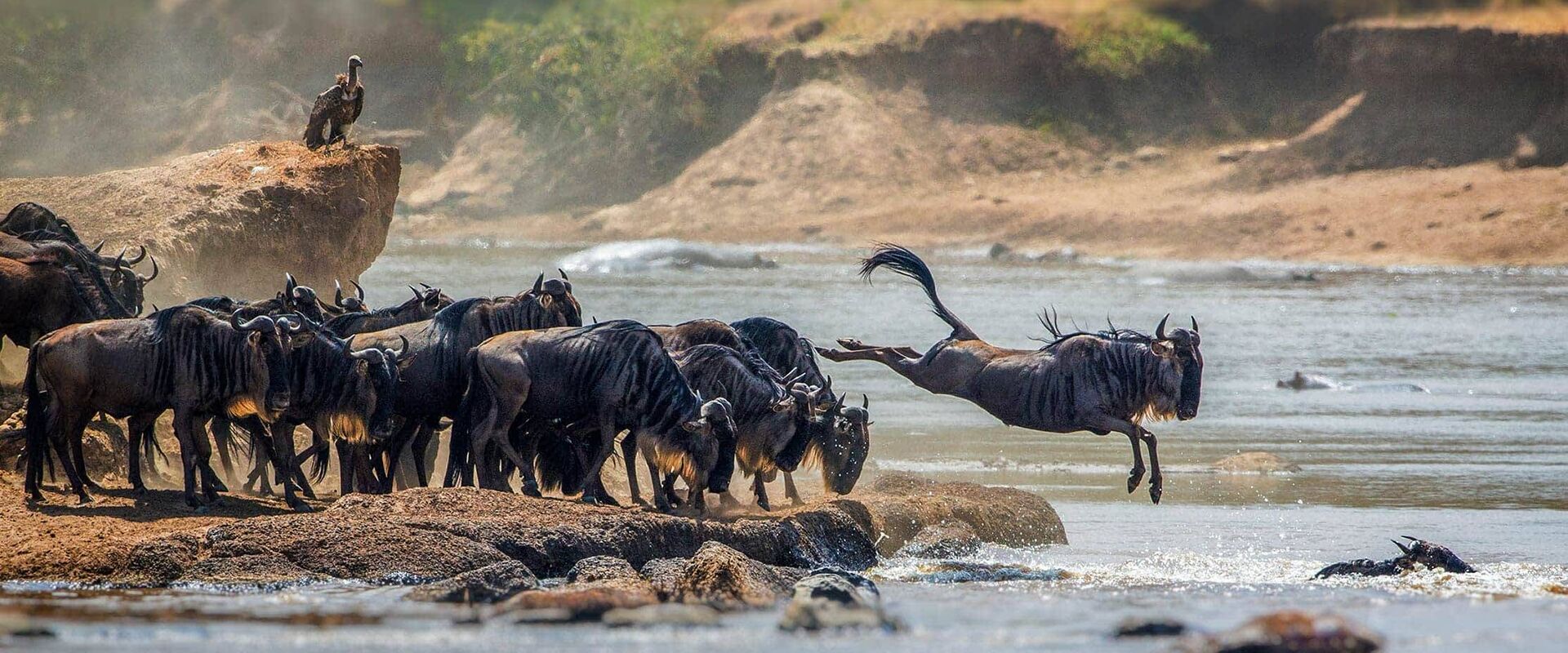
9 Days Maasai Mara & Serengeti Migration Safari
Two countries, two riverbanks, one chance to watch the herds take the plunge