

14 Days Kenya & Uganda Birding Safari
Shoebill by dugout, Kakamega's forest birds and Bwindi's Albertine Rift endemics
14 Days Kenya & Uganda Birding Safari
Two countries, two great bird regions and one specialist guide who stays with you the whole way. The route begins in Kenya's Rift Valley, working through the waterbirds of Lake Naivasha, the flamingos of Lake Bogoria and the cliff and acacia specials of Lake Baringo, where local bird guides know the day roost of every eagle-owl. It then heads west to Kakamega, Kenya's only tropical rainforest and the eastern outpost of the Guineo-Congolian forest, full of species found nowhere else in the country.
Crossing at Busia, you trade Kenyan acacia for Ugandan papyrus. At dawn a dugout canoe slides through the channels of Mabamba Swamp in search of the shoebill, the bird many people book this trip for. Lake Mburo's shaded fringes hold African finfoot, and the high trails of Bwindi deliver the Albertine Rift endemics: Rwenzori turaco, regal sunbird, Grauer's broadbill at Mubwindi Swamp, and a gorilla trek if you want one.
The final stretch runs through Queen Elizabeth National Park, with skimmers and pelicans on the Kazinga Channel, then into Kibale for a dawn search for the green-breasted pitta and a morning with chimpanzees. Turacos and weavers in the Entebbe Botanical Gardens round off the list before you fly home.
Ideal for: Keen birders, from newer listers to seasoned twitchers, who want a specialist guide and the region's richest habitats on one route.
The journey in brief
A night in Nairobi leads to Lake Naivasha, then north to Lake Bogoria and Lake Baringo for flamingos, cliff specials and night birds. A long drive west reaches Kakamega Forest for two nights of rainforest birding before you cross into Uganda at Busia and continue to Entebbe. Next morning you look for shoebill by dugout at Mabamba Swamp, then move on to Lake Mburo for African finfoot. Three nights in Bwindi's high Ruhija sector focus on Albertine Rift endemics, with an optional gorilla trek. The route then descends through Ishasha to Queen Elizabeth for a Kazinga Channel boat trip, on to Kibale for Bigodi wetland, the pitta and chimpanzees, and back to Entebbe for a final morning in the botanical gardens.
Highlights
Day by day
Nairobi: Notebooks Out
Your specialist birding guide is waiting when you clear arrivals at Jomo Kenyatta International Airport, and the list starts in the car park: pied crows, black kites wheeling over the terminal, perhaps a speckled mousebird in the hedges. Transfer to your hotel in one of the city's garden suburbs, where the big trees often hold Hartlaub's turaco, Baglafecht weaver and bronze sunbird if you arrive with light to spare. At dinner, your guide talks you through the route, the target species at each site and the practicalities: early starts, a telescope in the vehicle and a daily checklist that will run, by the end, to several hundred species.
Papyrus Edges of Lake Naivasha
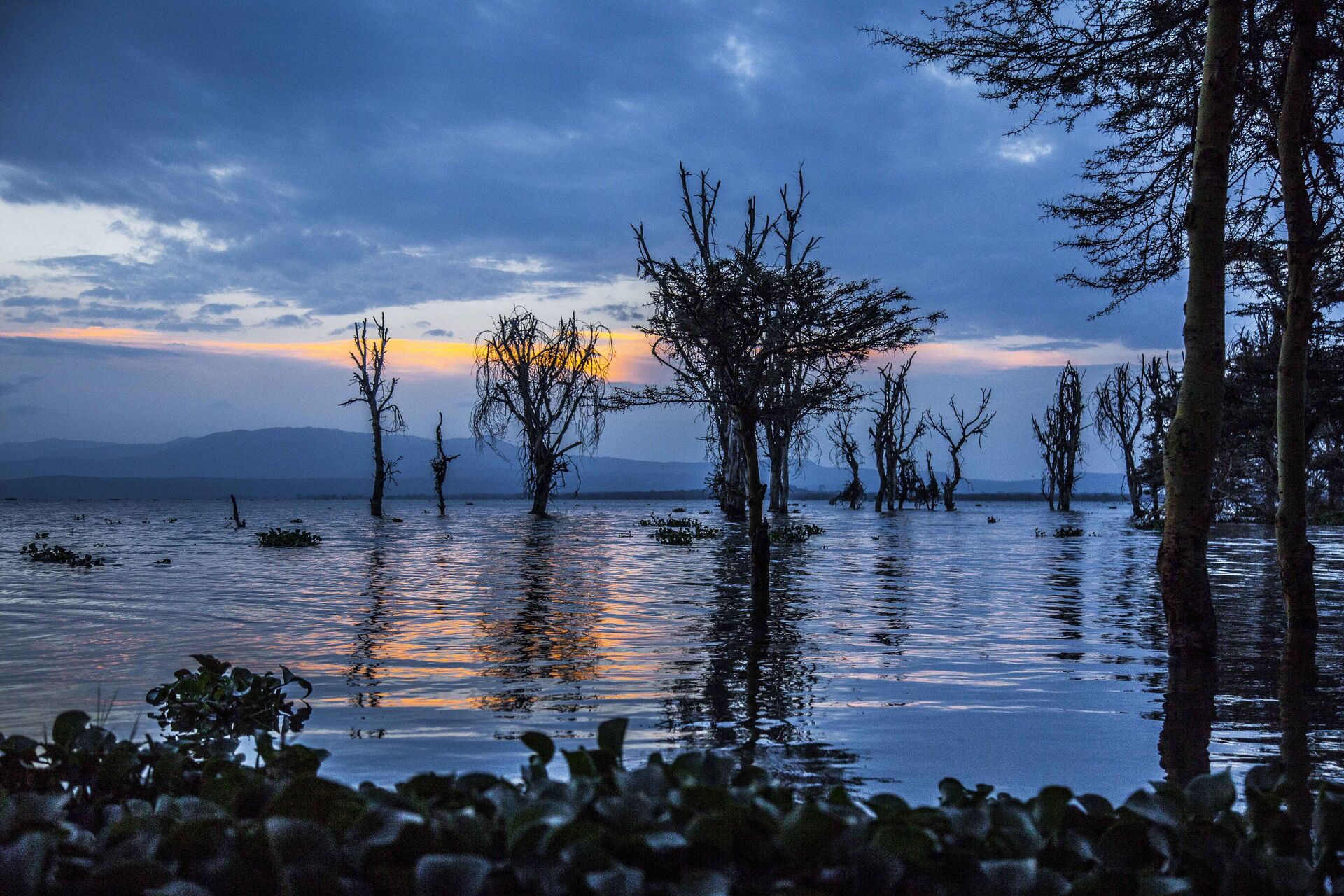
Leave Nairobi early and stop where the road tips over the escarpment into the Rift Valley, a good spot for augur buzzards hanging on the updraft. Around two hours later you reach Lake Naivasha, a freshwater lake fringed with papyrus and yellow-barked fever trees. A boat takes you along the shore for African fish eagles, great white and pink-backed pelicans, African jacanas stepping across lily pads and giant kingfishers on overhanging branches. In the acacia woodland behind the lake, your guide hunts for grey-crested helmetshrike, a localised Rift Valley speciality, along with Rüppell's robin-chat and noisy parties of arrow-marked babblers.
Flamingos and Steam at Bogoria
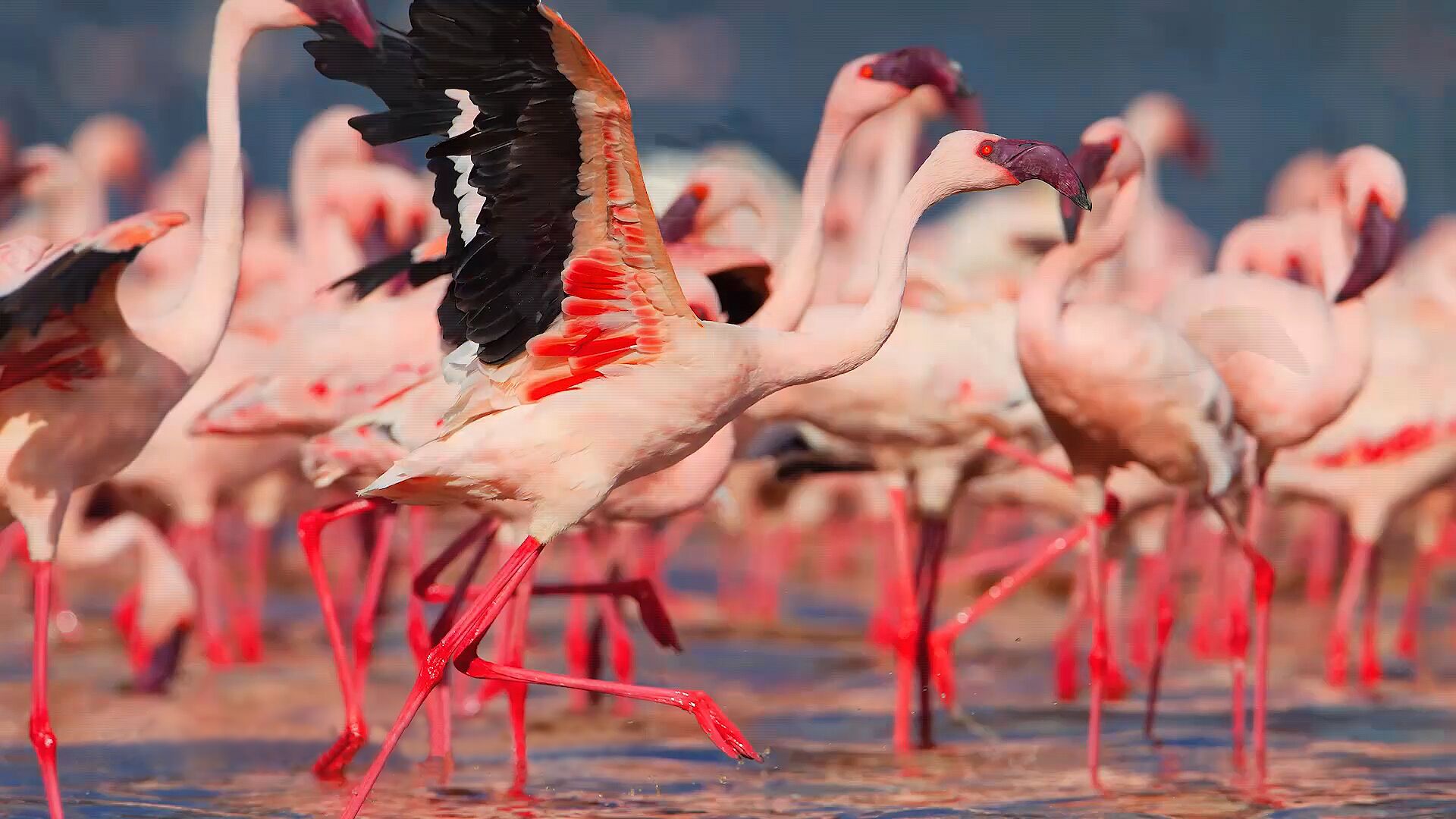
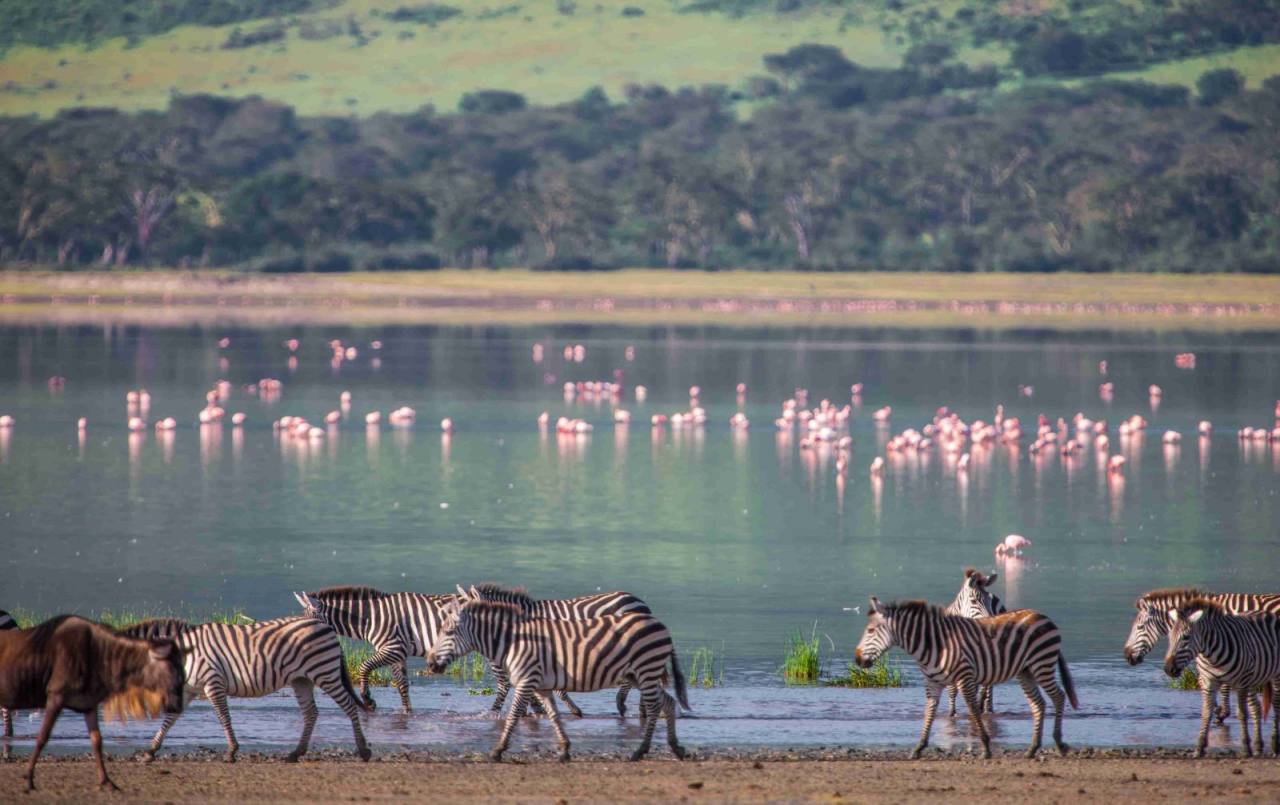
Drive north through Nakuru and the dry country around Marigat to Lake Bogoria, about three and a half hours. This shallow soda lake lies beneath a sheer escarpment, and its shore steams with hot springs and spurting geysers. When conditions suit them, lesser flamingos gather here in great pink rafts, filtering algae from the alkaline water, while your guide scans the bush for greater kudu and the dry-country birds that start appearing this far north. Continue the short distance to Lake Baringo, freshwater and ringed with acacia. After dinner a local guide leads a torchlit walk for slender-tailed nightjar and, with luck, the nocturnal Heuglin's courser.
Baringo Cliffs, Then West
Baringo's local guides are famous among birders, and at first light they show why. At the foot of the cliffs you look for Hemprich's and Jackson's hornbills, bristle-crowned starlings and the hulking Verreaux's eagle-owl at its day roost. A short boat outing adds goliath heron and African fish eagles snatching tilapia. Mid-morning you set off west, crossing the deep Kerio Valley and climbing the Elgeyo escarpment to Eldoret before dropping toward Kakamega, about five to six hours in all. The air turns moist, farmland gives way to forest, and by the time you arrive the canopy is ringing with unfamiliar calls.
Kenya's Guineo-Congolian Rainforest
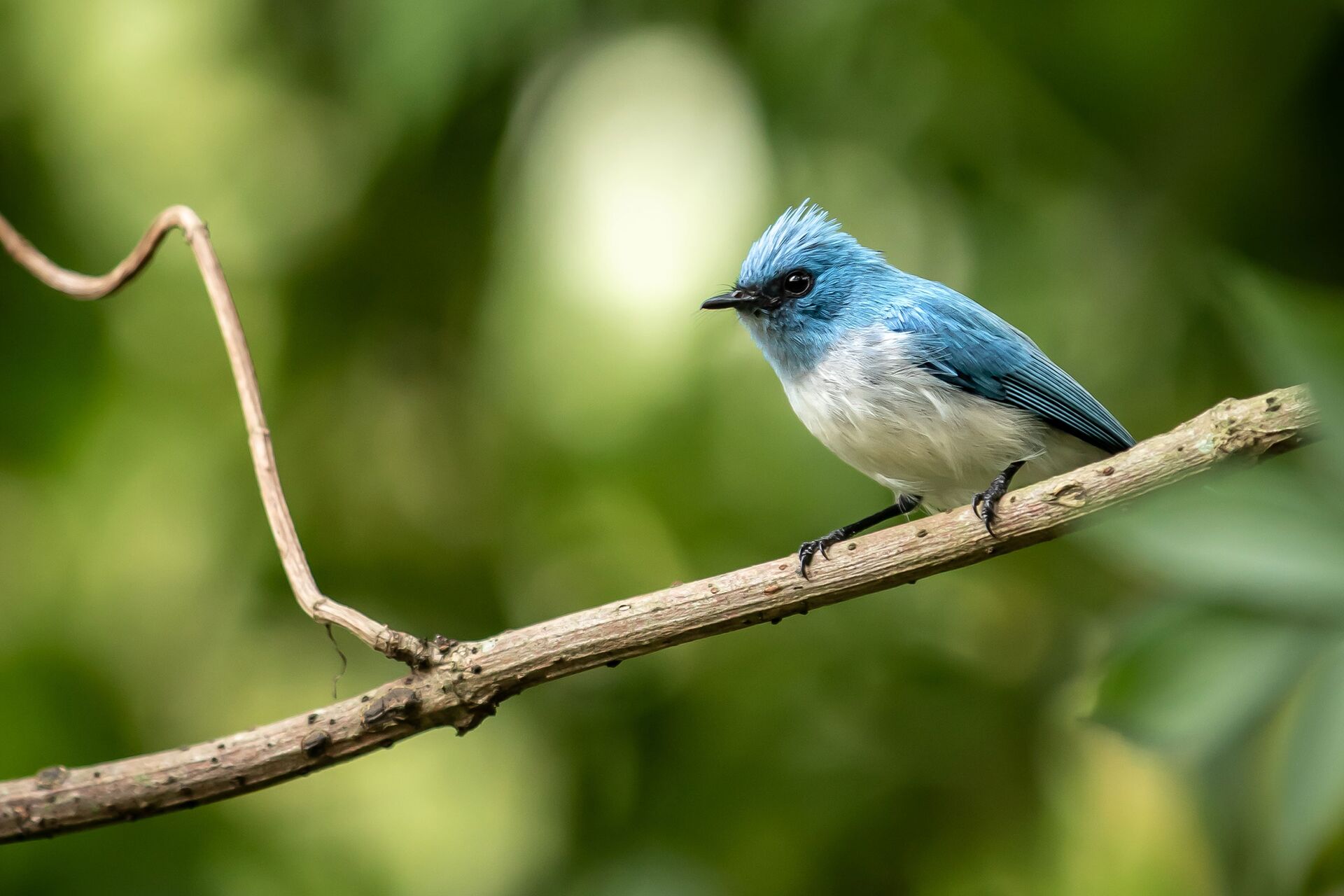
A full day in Kakamega Forest, Kenya's only tropical rainforest and the easternmost outpost of the Guineo-Congolian forest that stretches across Central Africa. That's why so many of its birds occur nowhere else in Kenya. With a local forest guide you walk the trails for great blue turaco, black-and-white-casqued hornbill, blue-headed bee-eater, Luehder's bushshrike and, with patience, the scarce Turner's eremomela. Midday is for checking sunny clearings and the forest edge for raptors and barbets. Red-tailed monkeys and black-and-white colobus crash through the canopy overhead. After dinner, an optional night walk searches for pottos and bushbabies.
Crossing at Busia
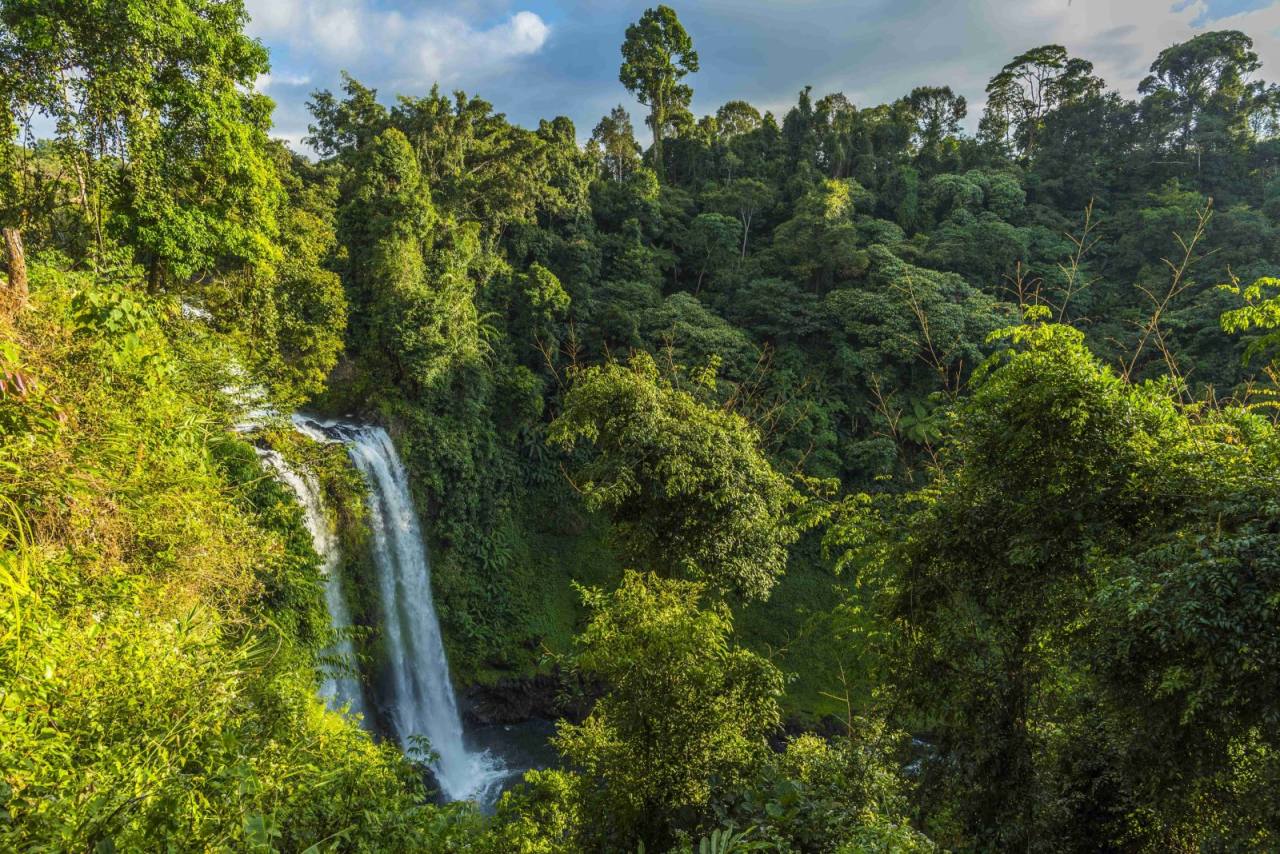
Breakfast early and drive to the Busia border, about two hours away, where your Kenyan vehicle hands over to a Ugandan one. Your birding guide crosses with you and stays for the rest of the trip. Formalities at the one-stop border post usually take an hour or so. The road west runs through sugar cane and past the edge of Mabira Forest, where a short stop can add a few forest birds, then skirts Kampala and follows the expressway south to Entebbe on the shore of Lake Victoria. It's a long day, roughly eight hours with breaks, so arrive, eat and sleep: tomorrow starts before dawn.
Shoebill by Dugout
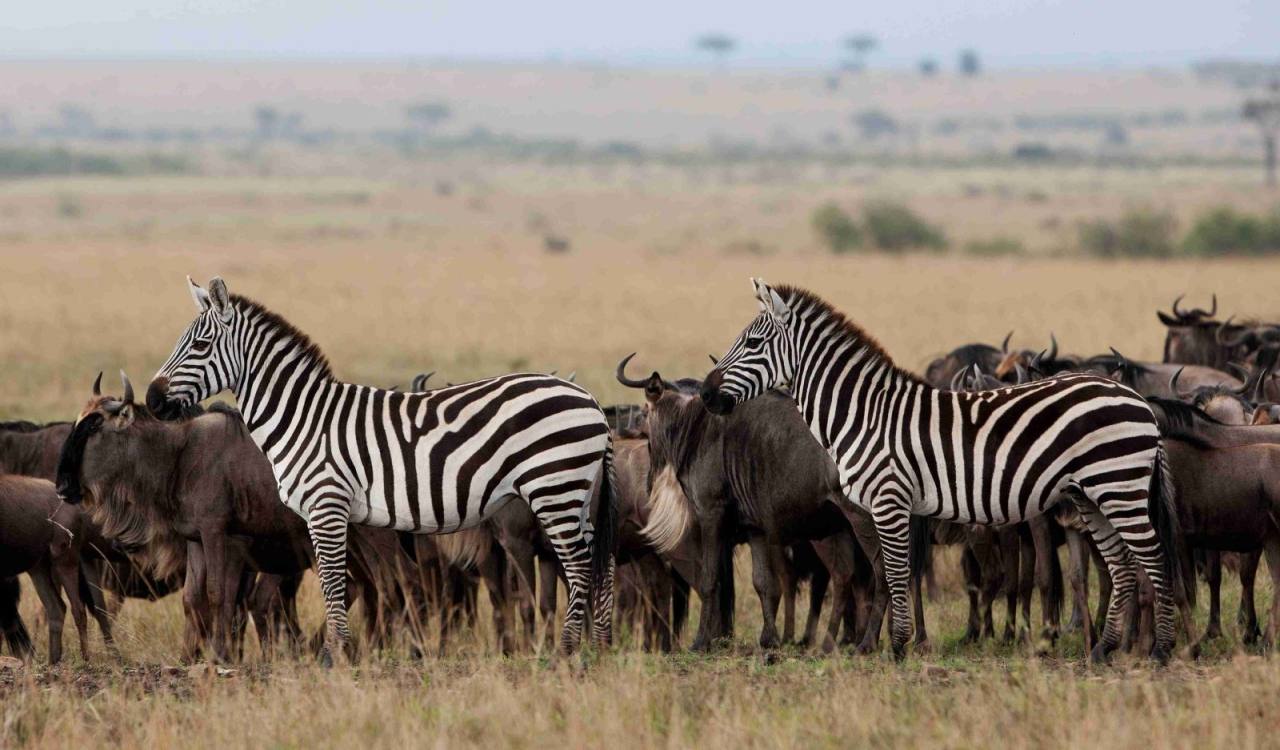
Up in the dark for the drive to Nakiwogo, where a short ferry crosses a bay of Lake Victoria toward the Mabamba wetland. Here you step into a wooden canoe with a local boatman, who poles you along narrow channels through papyrus and water lilies. The prize is the shoebill, a slate-grey giant with a clog-shaped bill that stands motionless for long minutes before lunging at a lungfish. While you wait, look for lesser jacana, blue-breasted bee-eater, papyrus gonolek and white-winged swamp warbler. Afterwards, drive south-west to Lake Mburo, about four hours, arriving for an evening drive among zebra and impala.
Finfoot Patrol, Then the Highlands
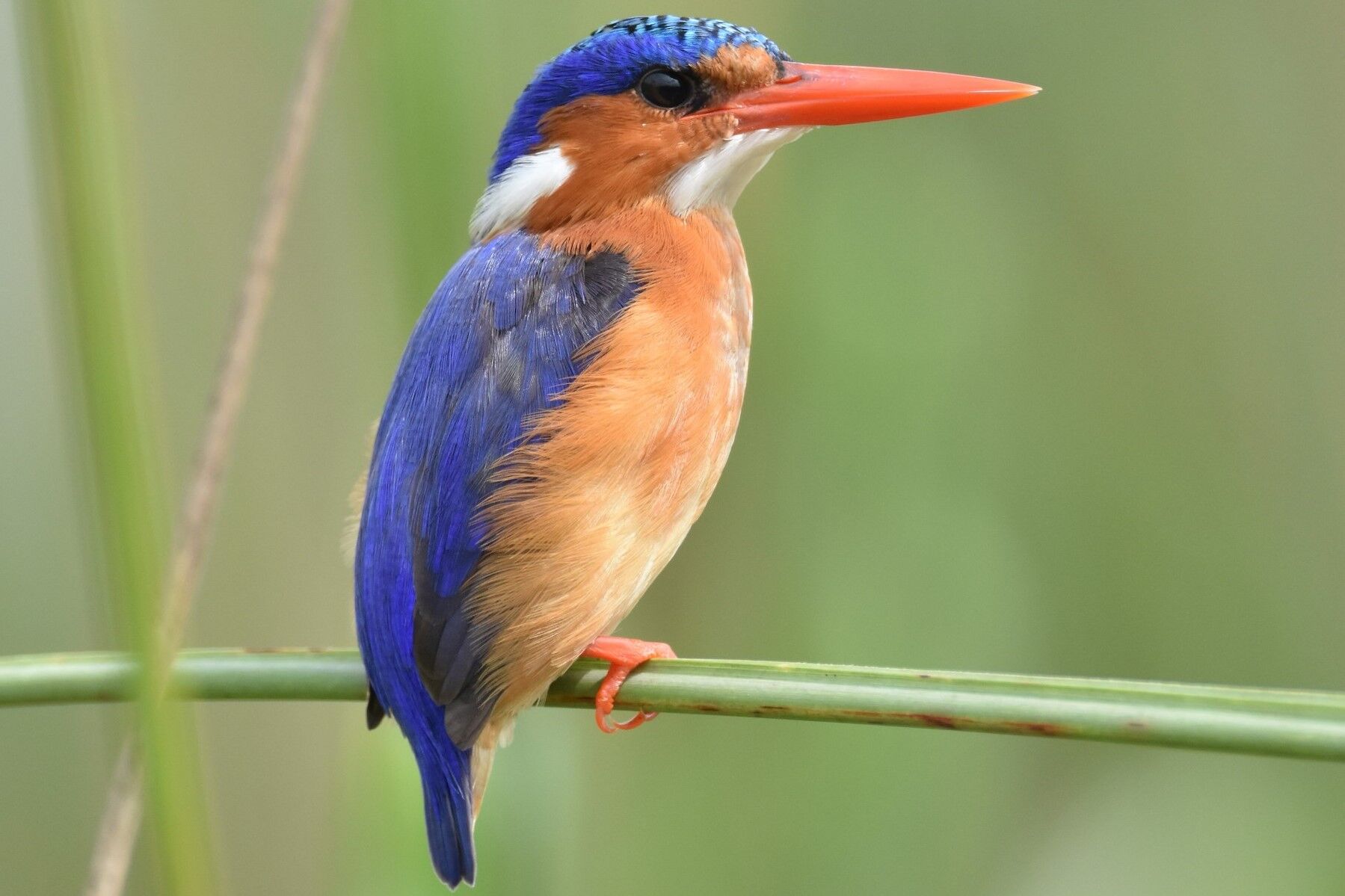
Lake Mburo's morning boat trip offers the best chance on the whole route of African finfoot, a shy, grebe-like bird that paddles along the water's edge beneath overhanging branches. Your boat creeps along the fringes while the light is still soft. Back on land, the acacia holds red-faced barbet and bare-faced go-away-bird. Then comes a long climb south-west via Mbarara and Kabale into the highlands, about five hours, to Ruhija in Bwindi at roughly 2,300 metres. The air cools noticeably as you gain height, and the evening will be cold, so dig out a fleece before you arrive.
Down to Mubwindi Swamp
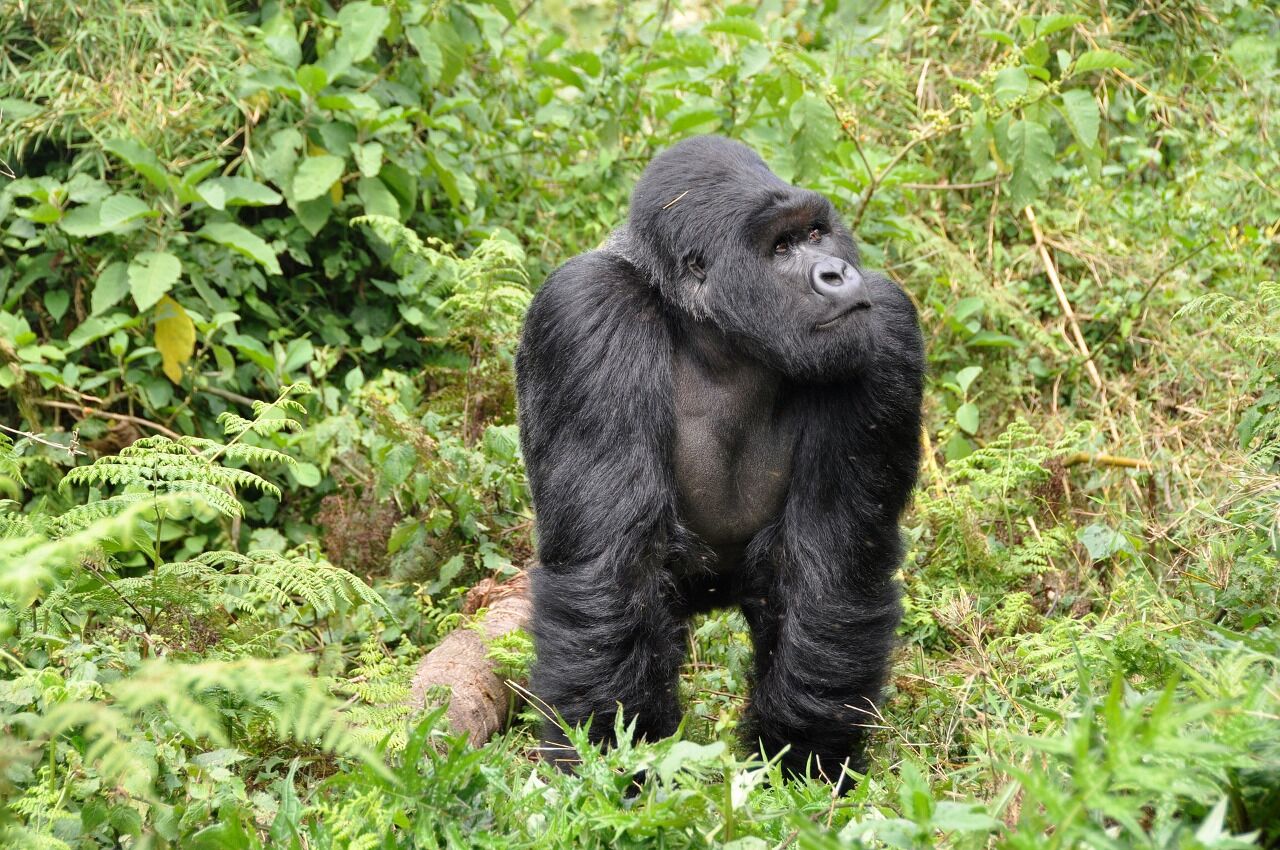
This is the big day for Albertine Rift endemics. A ranger and a local bird guide lead you down the steep trail to Mubwindi Swamp, a descent of several hundred metres through montane forest that you'll climb back up later. Along the way, mixed flocks may hold Rwenzori batis, stripe-breasted tit and mountain masked apalis, while regal sunbirds work the flowering trees. The swamp is the stronghold of Grauer's broadbill, one of Africa's most sought-after birds, and the reedy edges hold Grauer's swamp warbler. You carry a packed lunch, take the climb out slowly and arrive back at Ruhija tired and happy.
Gorillas or the Ridge Road
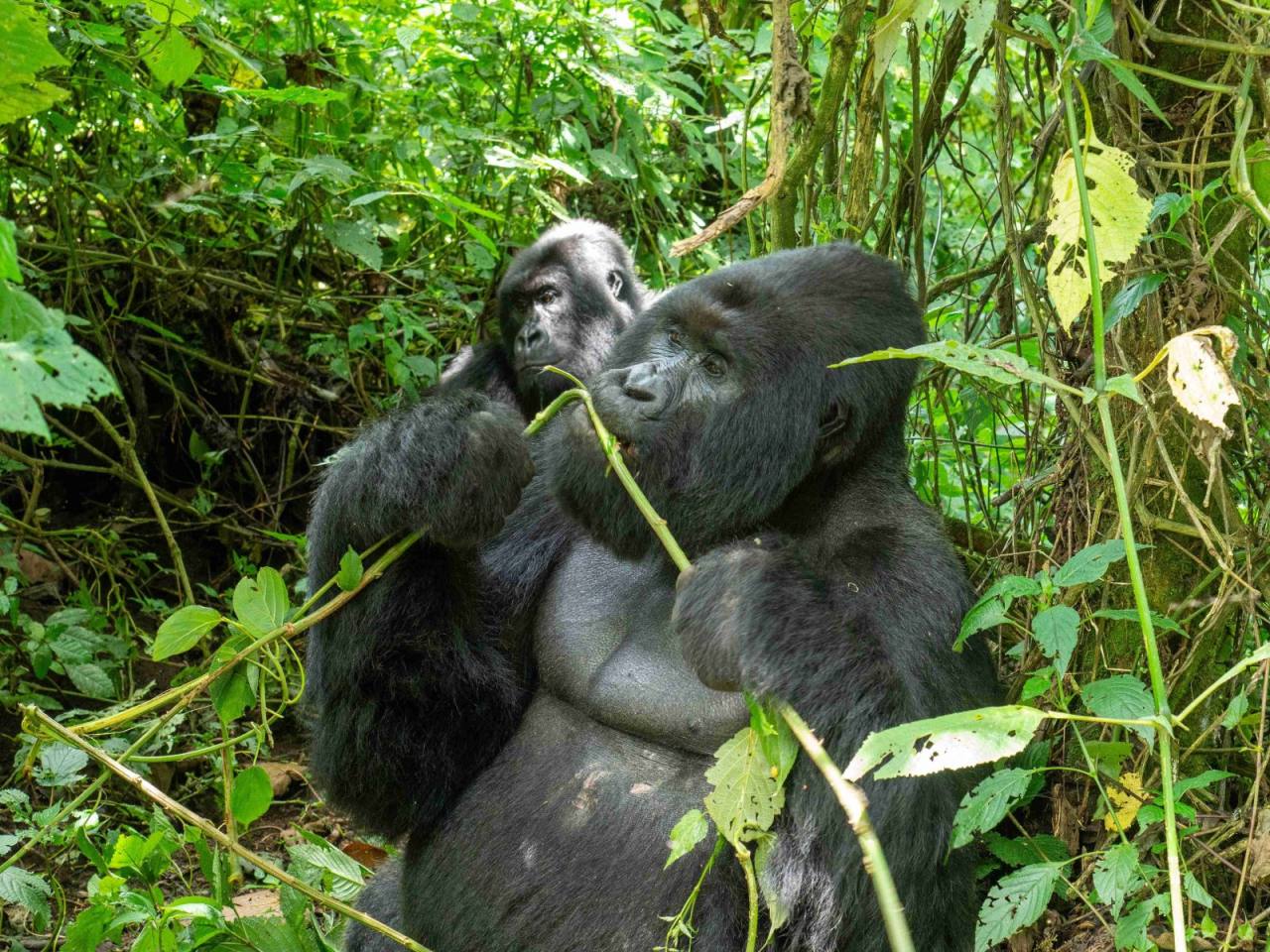
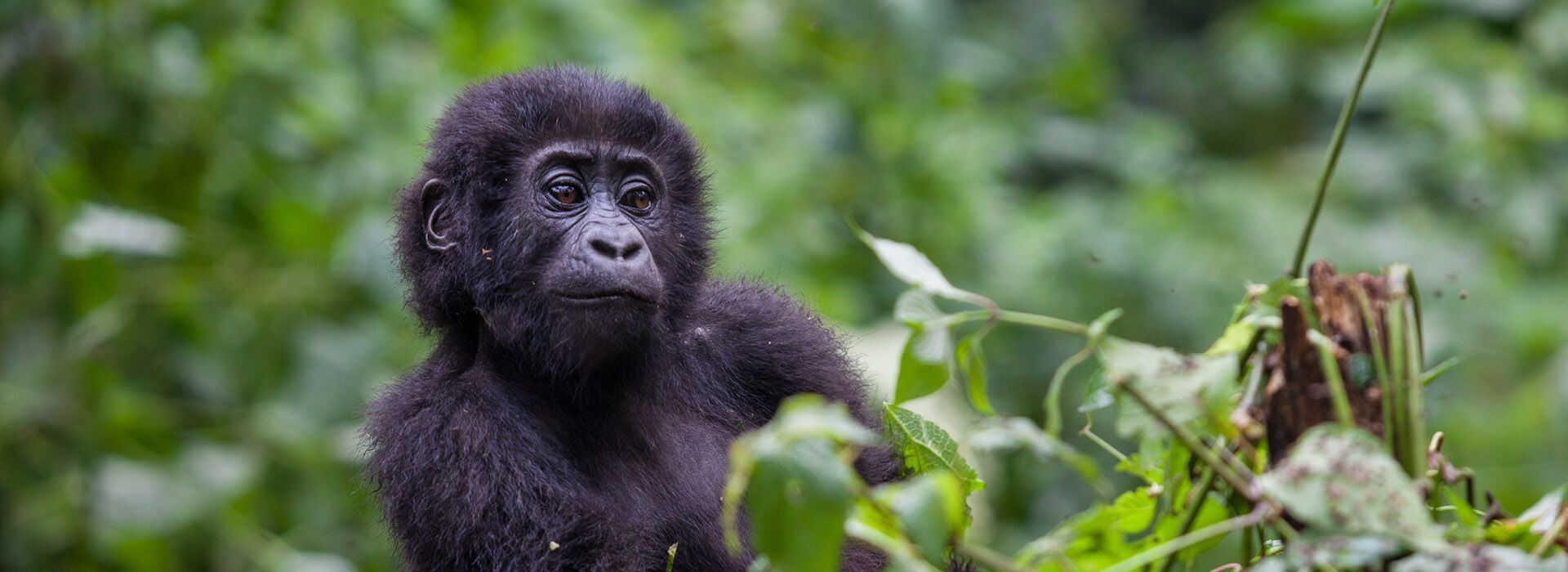
Today you choose. If you added a gorilla permit when booking, you join a ranger-led trek in the Ruhija sector to spend an hour with a habituated family; the minimum age is 15 and treks can take much of the day on steep ground. If you stay with the birds, your guide works the main ridge road and the higher trails, where the walking is easier and the views run out over the forest canopy. Targets include handsome spurfowl, Rwenzori turaco, strange weaver, dusky twinspot and Archer's ground robin. In the evening the group trades stories over dinner and checks off the day's list.
Through the Neck to Ishasha
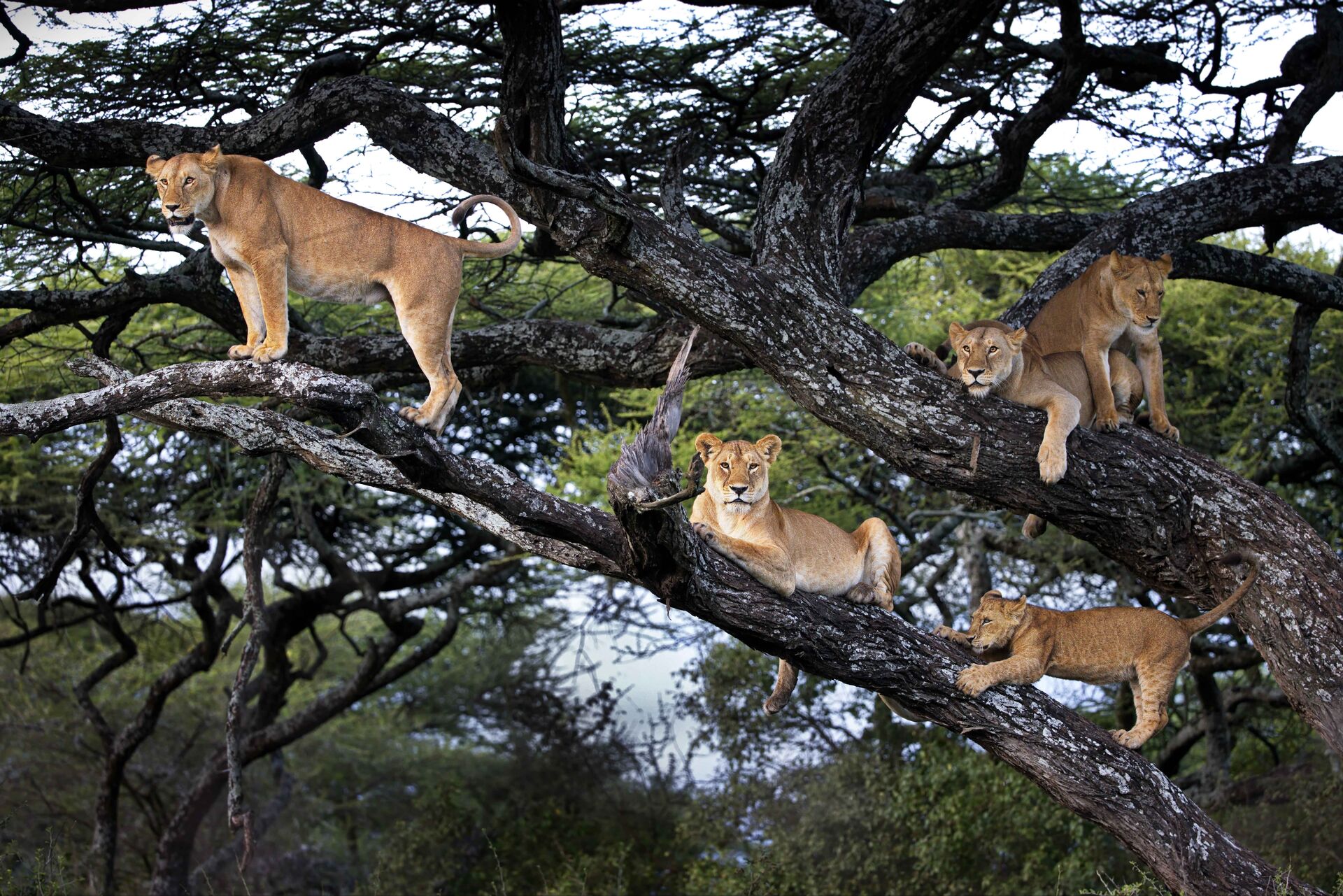
Leave Ruhija after breakfast and descend through the Neck, a narrow band of forest linking Bwindi's two main blocks, where roadside stops can add species you missed higher up. The road drops onto the plains around Kihihi and enters the Ishasha sector of Queen Elizabeth National Park. Scan the open savannah for martial eagles and white-headed vultures, and check the big fig trees for Ishasha's tree-climbing lions. Then continue north through the park toward the Kazinga Channel, arriving in the late afternoon after around six hours of travel broken by plenty of birding stops.
Skimmers on the Kazinga Channel
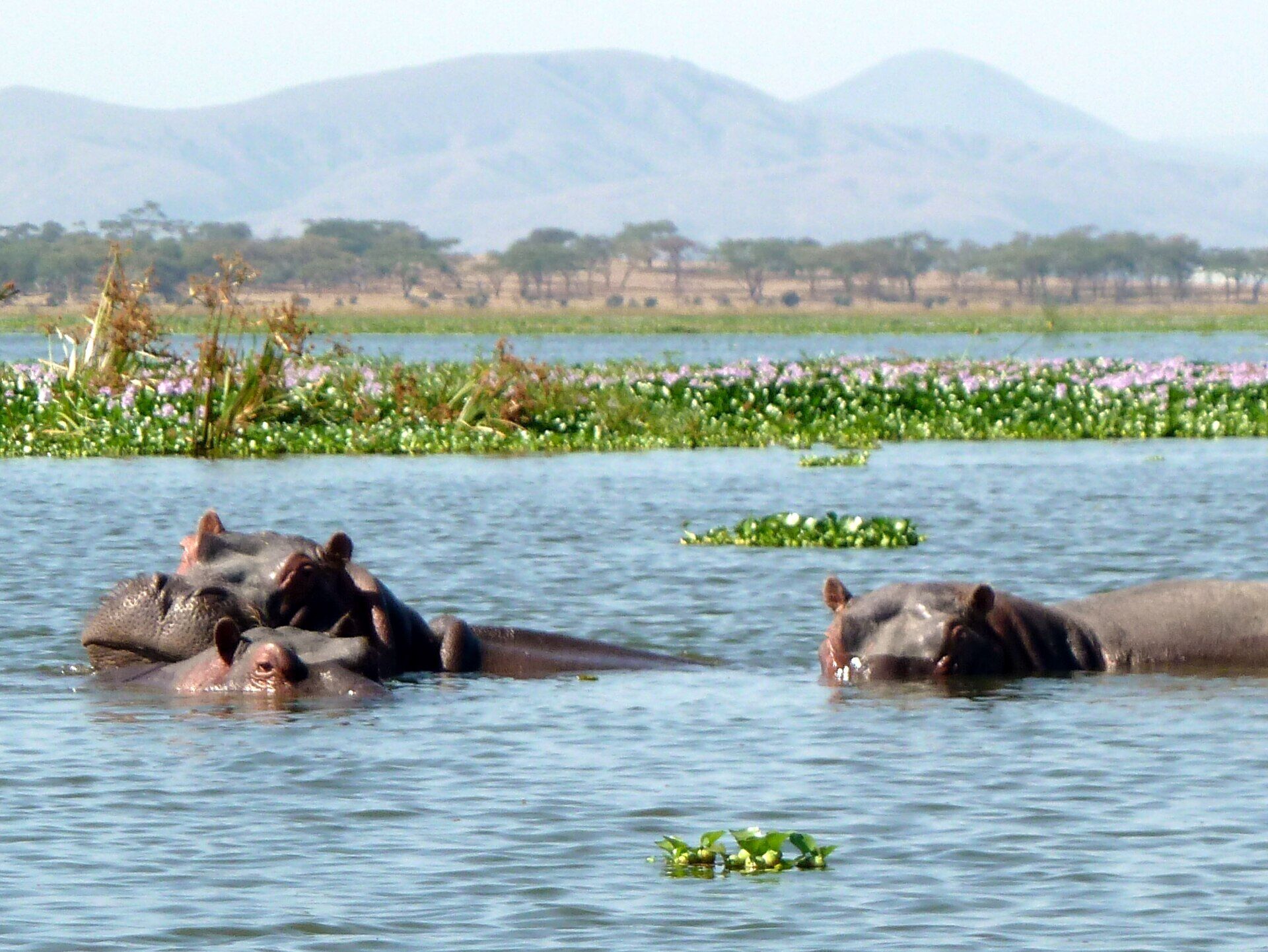
Join the morning launch on the Kazinga Channel, where the birding is close and constant: African skimmers on the sandbars, pink-backed pelicans, yellow-billed storks, water thick-knees and pied kingfishers everywhere you look. Hippos, buffalo and elephants share the shoreline. Then drive north for about three hours to Kibale, passing the equator marker on the way. In the afternoon a community guide leads you through Bigodi Wetland Sanctuary, a papyrus swamp where great blue turacos sail between the trees, white-spotted flufftails call from the undergrowth and shining-blue kingfishers dart along the channels. Trail fees help fund village schools.
Pitta at First Light
Kibale's most famous bird keeps unsociable hours, so you're in the forest with a ranger before dawn, listening for the green-breasted pitta's soft display call from low branches. It's never guaranteed, but when one hops into view it's a jewel of green, scarlet and sky blue. Later in the morning you join the chimpanzee tracking session, often with good forest birds on the side: African grey parrots, black bee-eaters and yellow-billed barbets. The minimum age for chimps is 12. After lunch you drive east to Entebbe, the longest drive of the trip at about six hours, arriving in time for dinner.
Turacos in the Botanical Gardens
Your last morning is spent in the Entebbe Botanical Gardens, laid out in 1898 with tall trees running down to Lake Victoria. It's an easy, flat walk and a fine place to wrap up the trip: great blue and Ross's turacos, orange and Weyns's weavers along the shore, eastern plantain-eaters and black-and-white colobus in the canopy. Your guide totals the final list over a last coffee, usually to a figure well into the hundreds, before you're dropped at Entebbe International Airport, ten minutes up the road, for the flight home.
Your route
The parks, lakes and towns you'll travel through, in order.
What's included
Prices
Book as a group and the saving is applied to your quote.
Rates are per person per day, sharing a room, and cover everything under what's included. Your tailored quote confirms the final price for your dates. International flights are not included.
Frequently asked questions
Do I need to be an expert birder?
How likely are we to see the shoebill?
Can I add a gorilla trek?
How much walking is involved?
What paperwork do we need for the Busia crossing?
How long is the 14 Days Kenya & Uganda Birding Safari?
How much does the 14 Days Kenya & Uganda Birding Safari cost?
When is the best time to do the 14 Days Kenya & Uganda Birding Safari?
What is included in the 14 Days Kenya & Uganda Birding Safari?
Can this itinerary be customised?
Let's plan your safari
14 Days Kenya & Uganda Birding Safari · 14 days
Tell us when you'd like to travel and who's coming. A Geob safari specialist in Nairobi will reply within one working day with availability, a tailored quote and any changes you'd like.
- No account or payment needed to enquire
- Every itinerary can be adjusted to your dates and pace
- Prefer to talk? +254 728 136 167
You might also like
13 days
13 Days Rift Valley Lakes & Serengeti Birding Safari
A specialist-guided run from Rift Valley lakes to Tarangire's baobabs, chasing 400+ species
 13 days
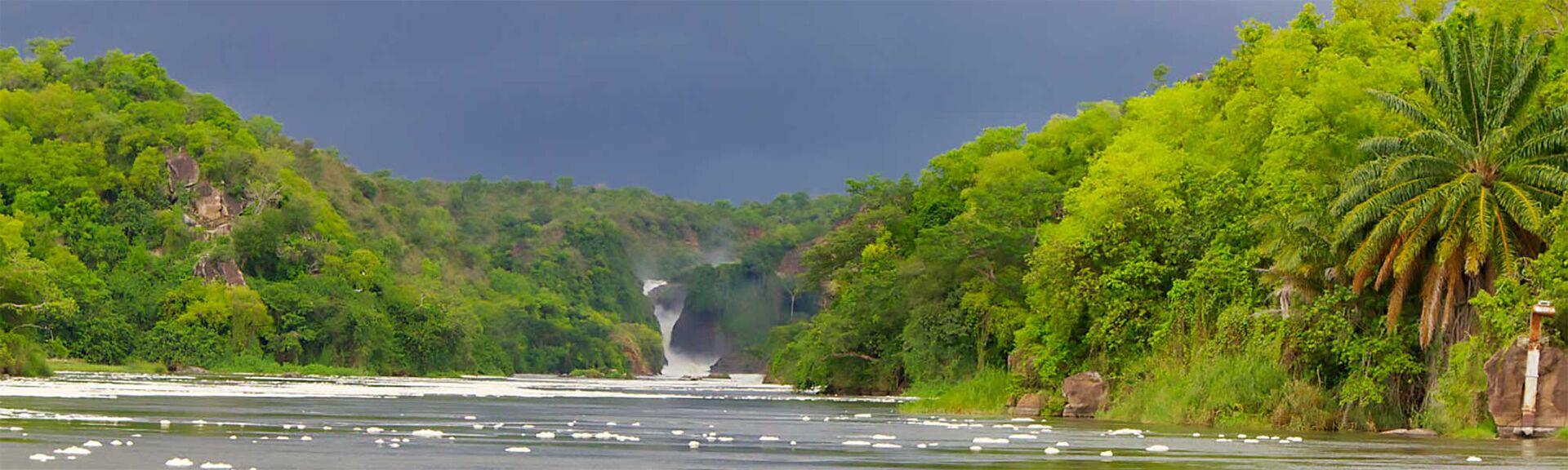
13 Days Kenya & Uganda Murchison Falls Safari
Raft the Nile's big rapids, walk with rhinos and climb beside Murchison Falls
 11 days
Best seller
11 days
Best seller
11 Days Kenya & Tanzania Family Safari
Orphaned elephants, bikes in a gorge, junior ranger badges and a crater full of rhino