

11 Days Ol Pejeta, Lewa & Serengeti Rhino Safari
Track black rhino with rangers, meet the K9 unit and see conservation from the inside
11 Days Ol Pejeta, Lewa & Serengeti Rhino Safari
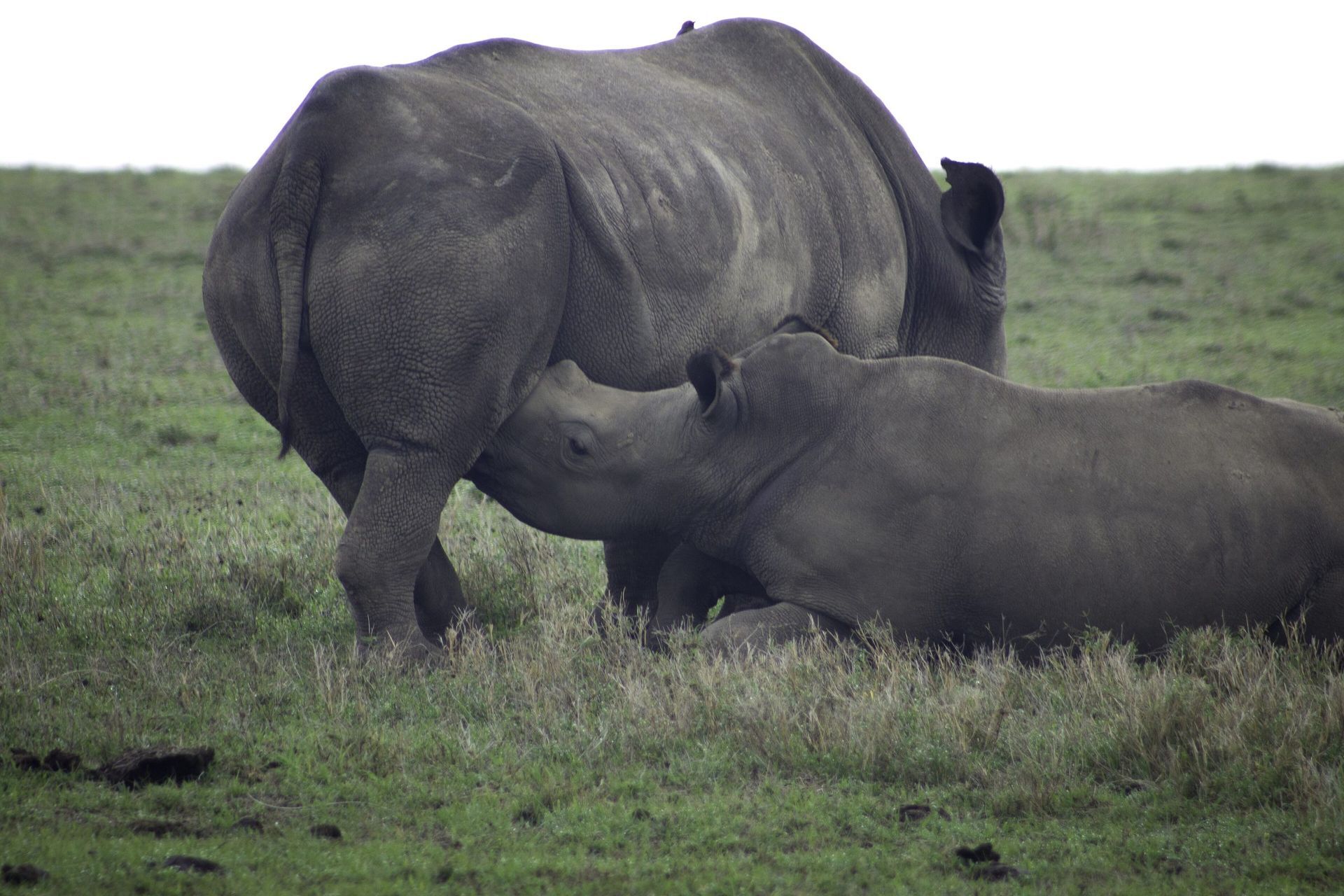
In the early 1970s, Kenya had around 20,000 black rhinos; by the late 1980s, fewer than 400 were left. That you can now walk within sight of one is down to the people you meet on this trip: rangers, dog handlers, vets, keepers and the communities whose land makes room for wildlife.
You start among the rhinos of Nairobi National Park and the orphaned elephant calves raised by keepers on its edge, then head north to Laikipia. At Ol Pejeta you stand near the northern white rhinos, guarded day and night, follow rangers on the trail of a black rhino and watch the anti-poaching dogs at work. Lewa takes you out on foot to find rhinos among Grevy's zebras and shows how a conservancy can fund schools and clinics for its neighbours.
Lake Nakuru's fenced sanctuary and the Maasai Mara's community conservancies carry the story west, with researchers who know individual lions by their whisker spots. A light aircraft then crosses into Tanzania for the Serengeti and a final descent into Ngorongoro Crater, where a small, closely guarded population of black rhinos lives against a backdrop of 600-metre walls.
Ideal for: Wildlife lovers who want to understand what it takes to protect rhinos and lions today, and to meet the rangers, keepers and researchers doing the work.
The journey in brief
You arrive in Nairobi and begin with rhinos in Nairobi National Park and the keepers' talk at the elephant orphanage before driving north to Ol Pejeta for two nights of ranger-led rhino tracking, a visit to the northern white rhinos and a K9 demonstration. In the shadow of Mount Kenya, two nights at Lewa bring rhino walks and visits to community projects. You then drive west to Lake Nakuru's rhino sanctuary and on to a Maasai Mara conservancy, where lion researchers explain their work. On day nine a light aircraft carries you via Migori to Kogatende and a long game drive south through the Serengeti. The last night is spent on the Ngorongoro rim before a dawn crater drive in search of black rhino and a transfer to Kilimanjaro International Airport.
Highlights
Day by day
Arrival and the Rhino Story
A guide from our team collects you at Jomo Kenyatta International Airport and drives you to your accommodation in Nairobi. Over dinner he sets out the story you will follow over the next eleven days: how East Africa's rhinos came close to vanishing, who brought them back and what still threatens them, from the black-market trade in horn to shrinking rangeland. The practical side matters too, including what to wear on ranger-led walks, how to behave around working dogs and the 15 kg soft-bag limit on the cross-border flight. Rest well: tomorrow begins with rhinos browsing within sight of the city's office towers.
Rhinos Under the Skyline
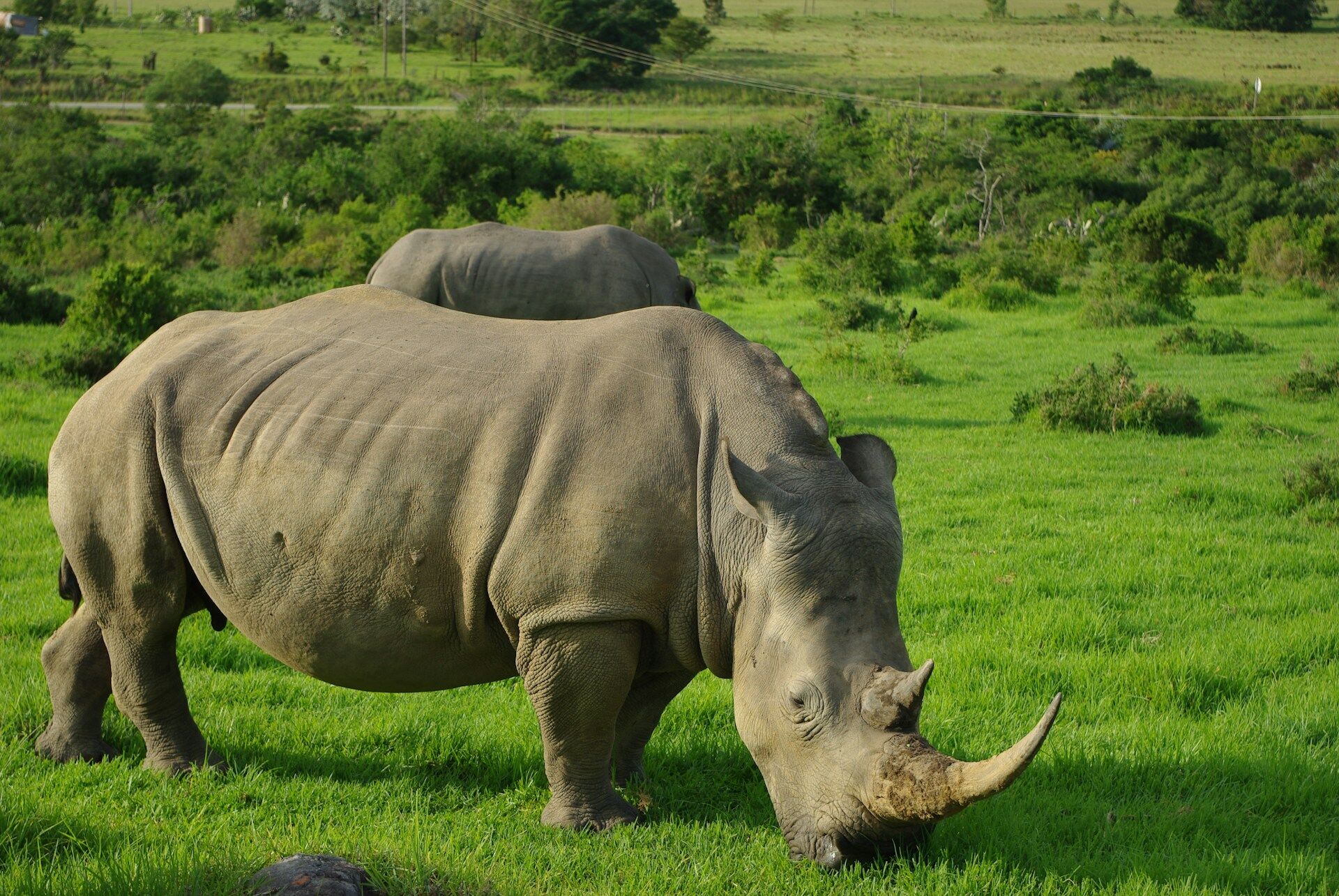
Nairobi National Park opens at six, and you are at the gate. Few capitals have a rhino sanctuary inside their city limits; here black rhinos browse in the thickets, while lions, giraffes and buffalo roam the plains beneath the skyline. At 11 am you join the public visiting hour at the elephant orphanage on the park's edge, where keepers walk the young orphans out to their mud bath and explain how each calf was rescued, why it needs milk every three hours, and how, years from now, it will return to the wild. After lunch you drive about four hours north to Ol Pejeta, on the equator in Laikipia.
The Last of the Northern Whites
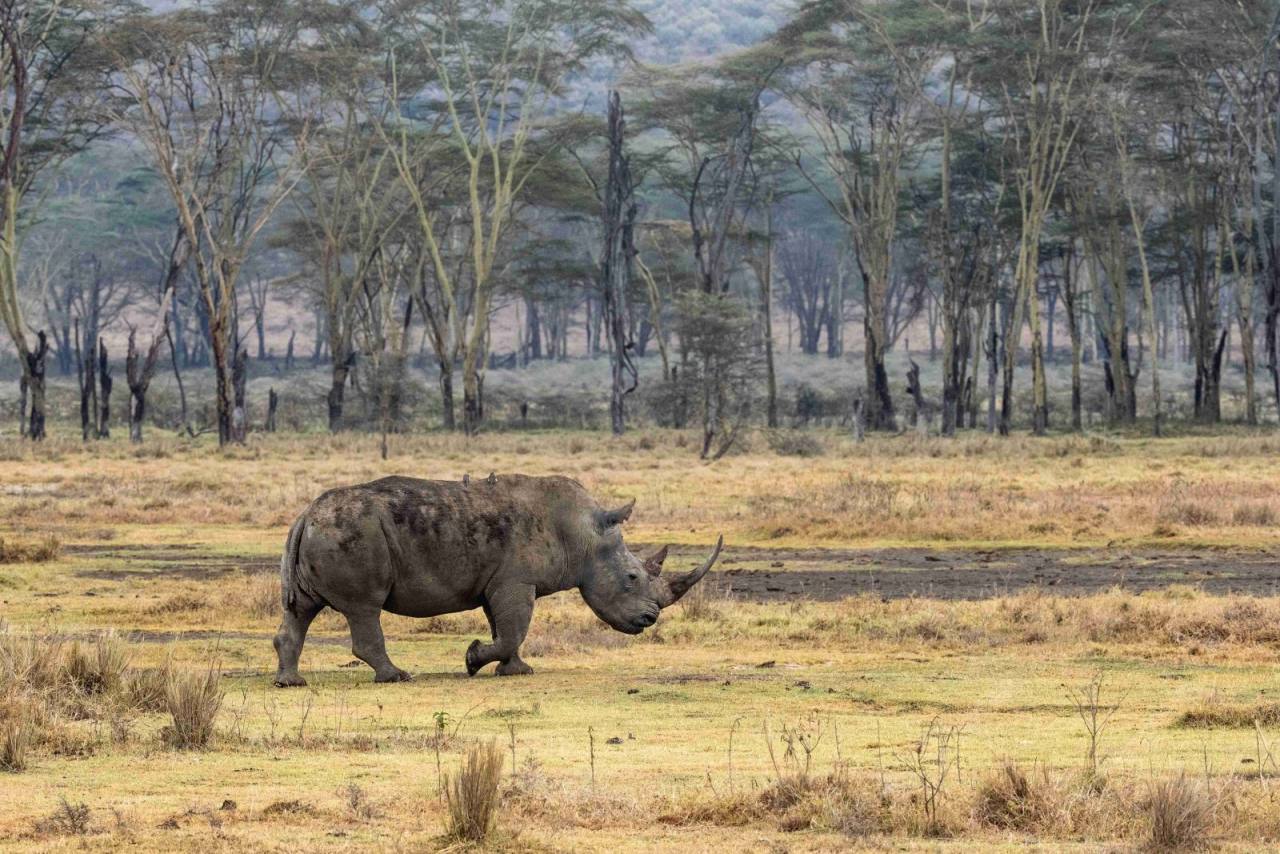
This morning you visit the enclosure where the northern white rhinos live under round-the-clock armed guard. Their keepers, who have spent years beside them, introduce you and explain the science racing to save the subspecies, from collecting eggs to creating embryos that may one day be carried by southern white rhino surrogates. It is a quiet, moving hour. In the afternoon you set out on foot with Ol Pejeta's rangers to track a black rhino, reading footprints, dung and freshly snapped branches until the animal comes into view at a safe distance. The conservancy is home to one of the largest black rhino populations in East Africa.
Dogs, Rangers and the Road to Lewa
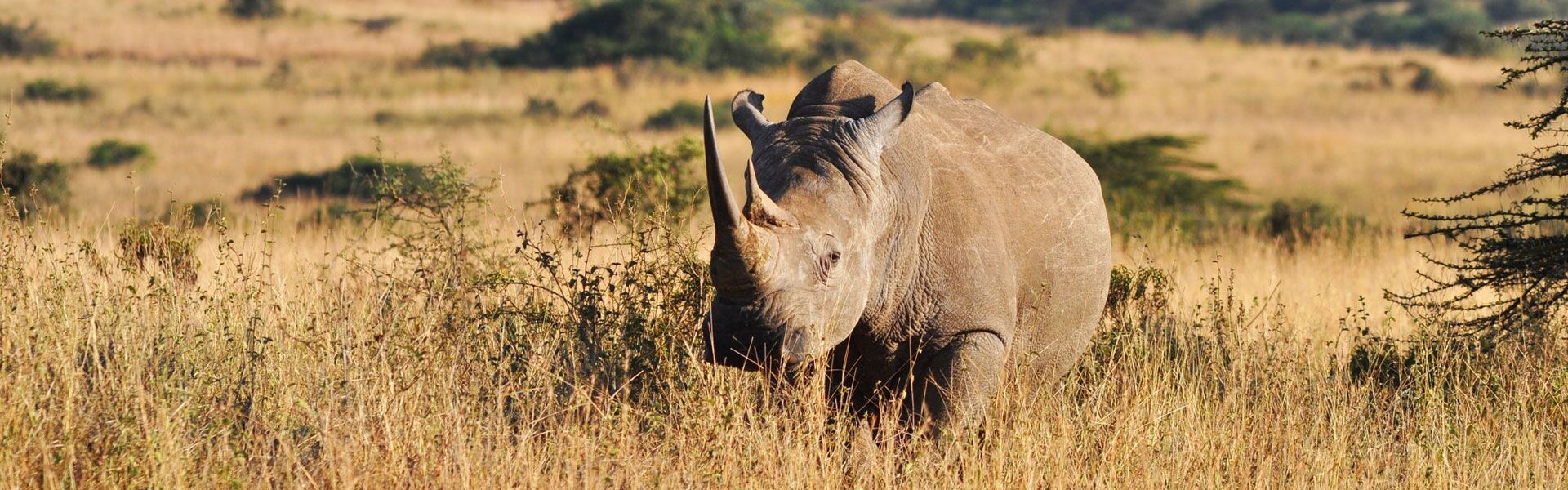
At dawn you meet Ol Pejeta's dog unit: tracker dogs trained to follow a poacher's scent over long distances, and detector dogs that find ivory, horn and weapons hidden in vehicles. The handlers lay a trail so you can watch the dogs work, then talk about patrols, intelligence and why poaching here has fallen so sharply. After an early lunch you drive about two hours around the northern foot of Mount Kenya to Lewa, a conservancy of rolling hills and acacia that began as a cattle ranch with a small rhino sanctuary. Your first afternoon drive brings Grevy's zebras, reticulated giraffes and, with luck, a rhino or two.
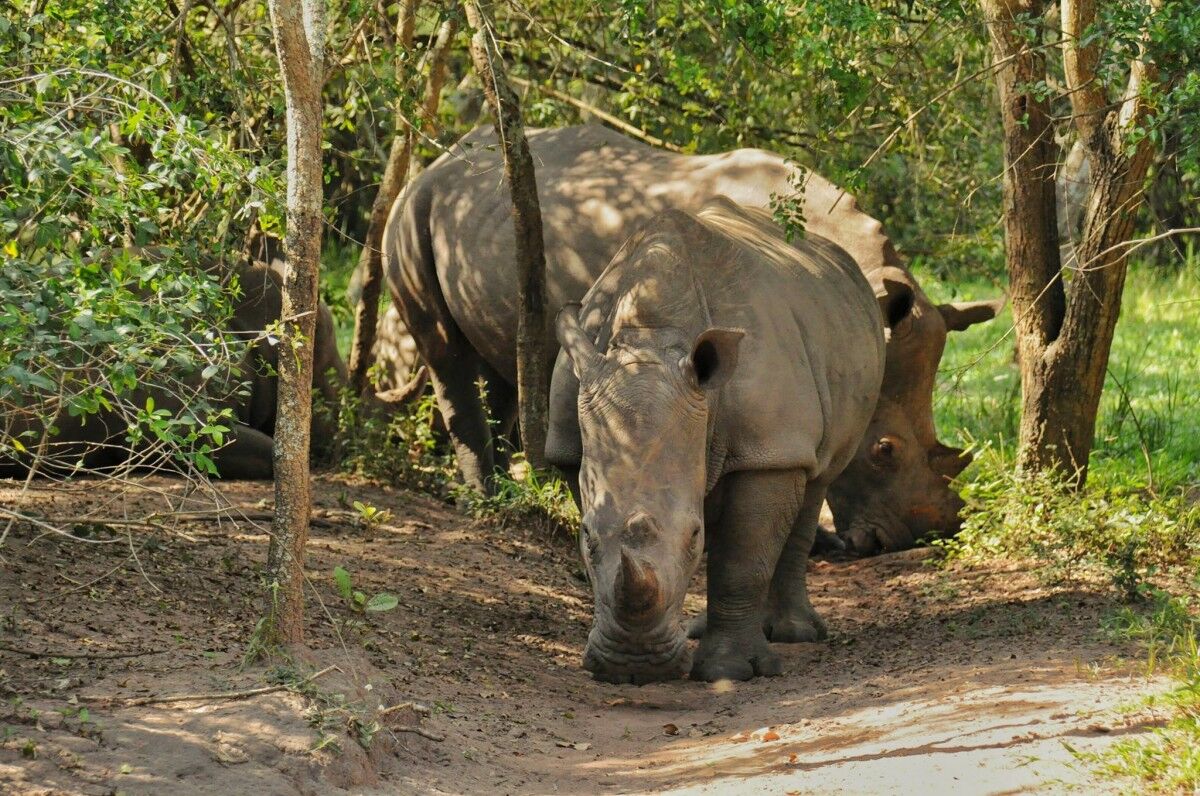
Rhinos on Foot, Schools in the Hills
Morning is a rhino walk with Lewa's armed rangers. A radio call reports a black rhino resting in the shade, and you approach quietly on foot, using the wind and the bushes, until it is in clear view, ears swivelling towards the faint sounds you make. Later you visit one of the community projects funded by the conservancy, perhaps a school, a water scheme or a women's savings group, and hear from the people involved. The idea is simple: when neighbours benefit from wildlife, they help protect it. The evening ends with a drink on a ridge as Mount Kenya catches the last of the light.
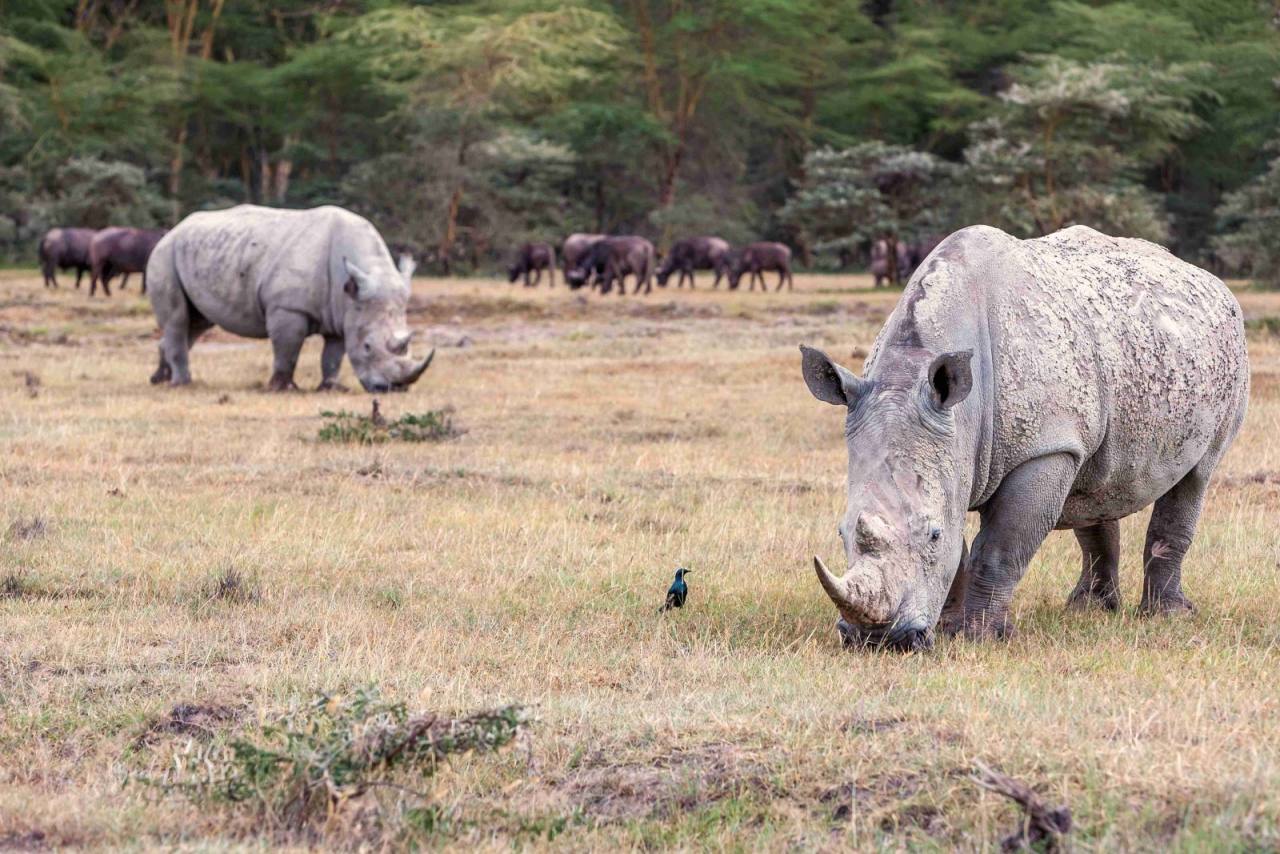
West to the Lake Nakuru Sanctuary
A long drive today, about five hours across the ranchlands of Laikipia, past the waterfall at Nyahururu and down onto the Rift Valley floor at Lake Nakuru. The national park here is fenced and protects both black and white rhinos, making it one of the best places in Kenya to see the two species in a single drive. Your afternoon game drive follows the lakeshore, where pelicans gather, and climbs to viewpoints on the escarpment for a look over the whole basin. You may also spot Rothschild's giraffes, an endangered subspecies moved here for safekeeping, and leopards in the acacia woodland.
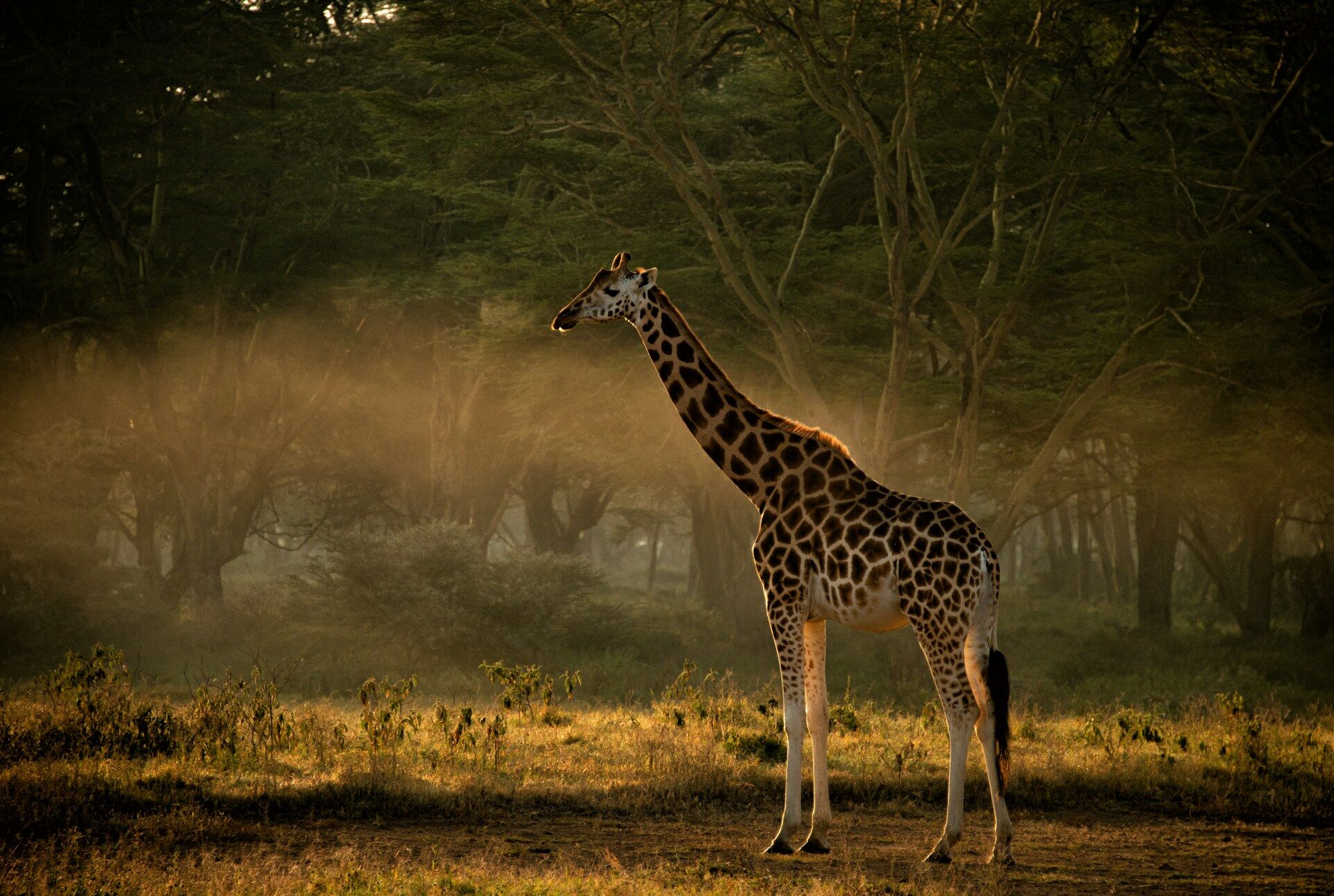
Into the Mara Conservancies
After an early game drive at Nakuru, the road heads south-west through Narok to the Maasai Mara, about five hours away. You are staying in one of the private conservancies along the reserve's northern boundary, where Maasai landowners lease their land to tourism partners and vehicle numbers are strictly limited. Your guide explains how lease income and jobs give families a reason to keep their land open for wildlife rather than fence it for cattle or crops. The afternoon drive shows what the model protects: open grass, few vehicles and lions you can watch quietly for an hour without another car in sight.
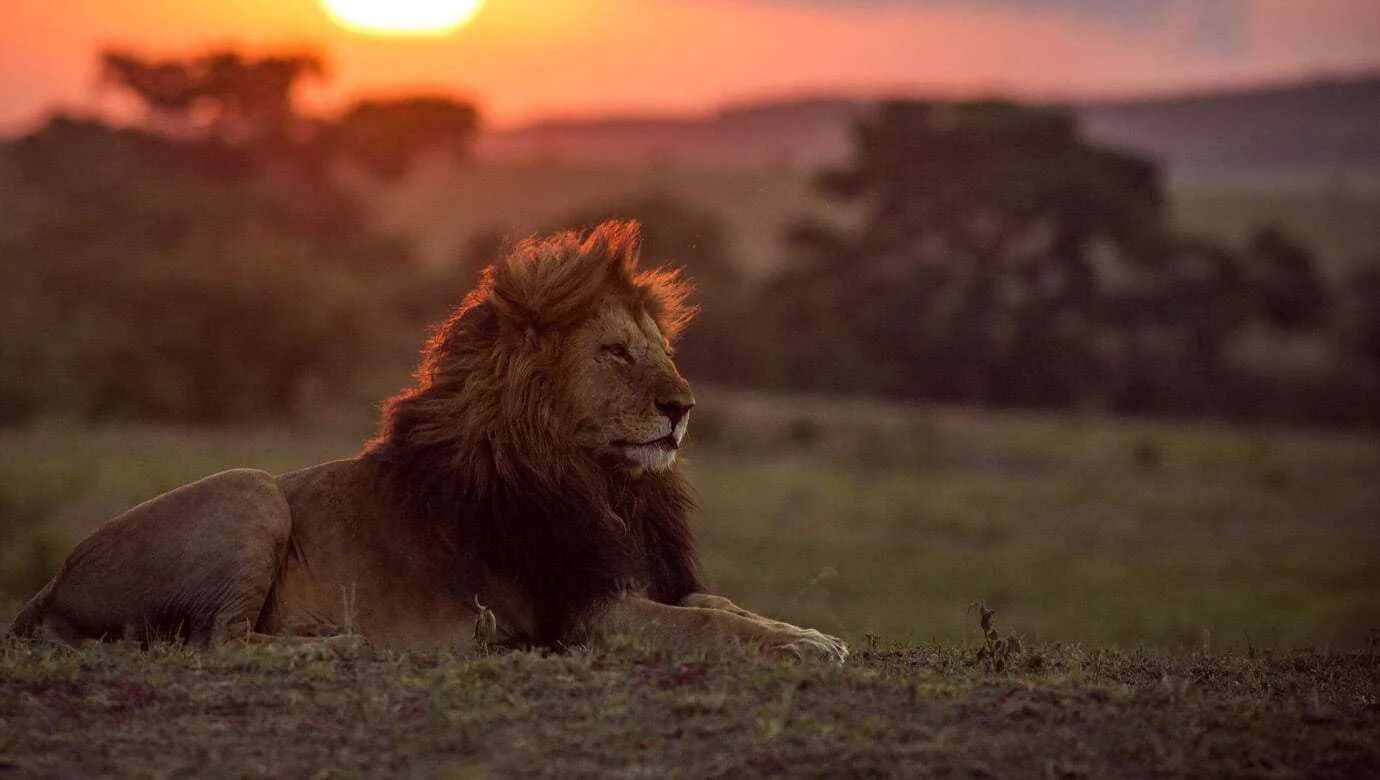
A Day with the Lion Researchers
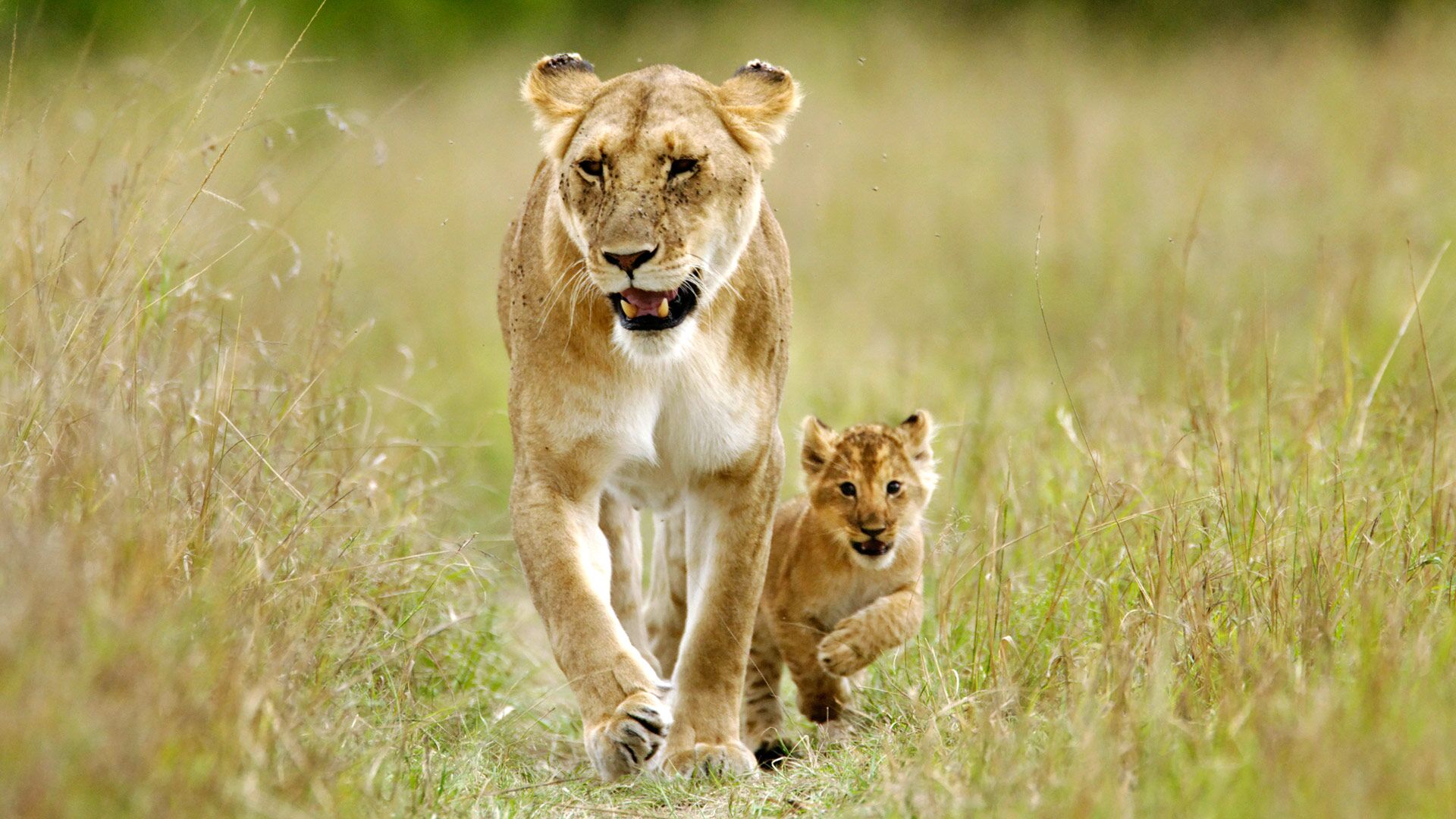
Today you spend time with a researcher who monitors the conservancy's lions. You learn how each lion is identified by the unique pattern of whisker spots on its muzzle, along with ear notches and scars, and how sightings logged by guides feed a long-term record of prides, cubs and deaths. The Mara holds one of the highest lion densities in Africa, and the data helps shape decisions on grazing and on building predator-proof cattle enclosures that prevent revenge killings. In the afternoon, a classic game drive or, if you prefer, a guided walk with a Maasai ranger rounds off the day.
Wings to the Serengeti
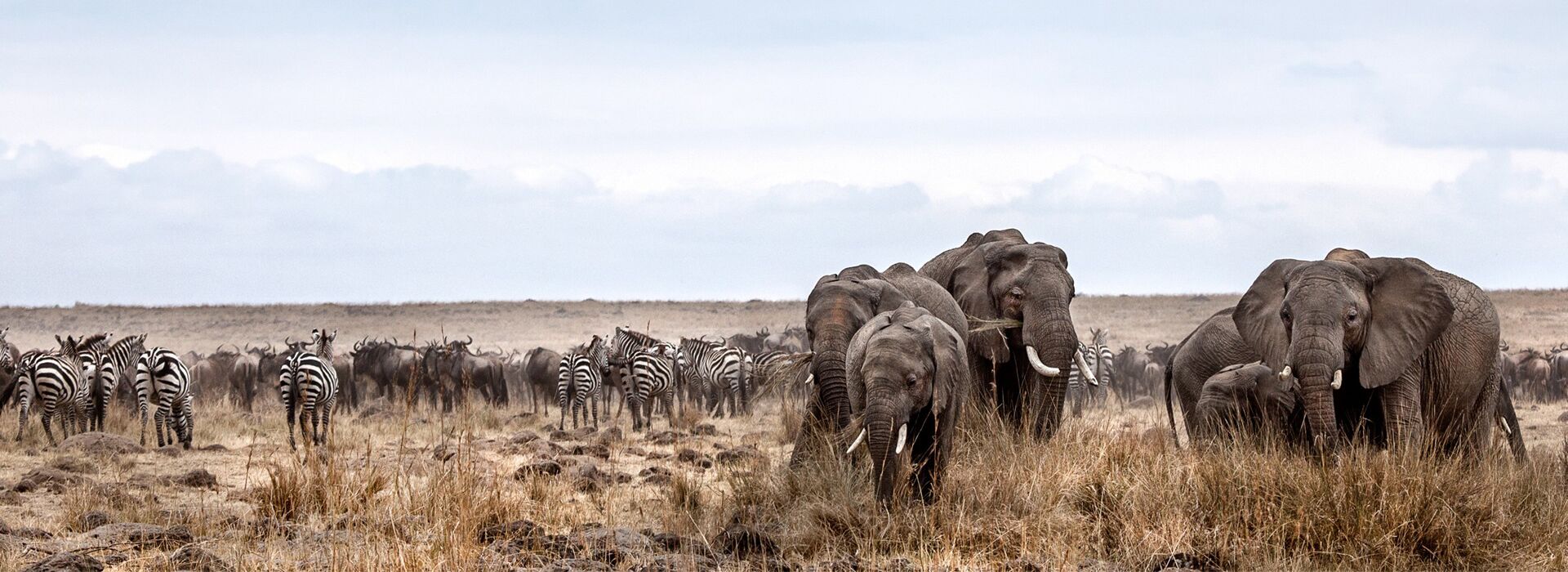
A morning flight takes you from the Mara airstrip to Migori, where you complete Kenyan exit formalities, and then across to Kogatende in the northern Serengeti to enter Tanzania. Your Tanzanian guide and vehicle are waiting. The north is wild and lightly visited, with the Mara River winding through it and, from July to October, the migration crossing back and forth. You spend the day driving south across the park with a packed lunch, looking for cheetahs, elephants and lions, to reach the central Serengeti by evening. Along the way your guide talks about the patrols and reintroductions that have brought black rhinos back to parts of the park.
From the Plains to the Crater Rim
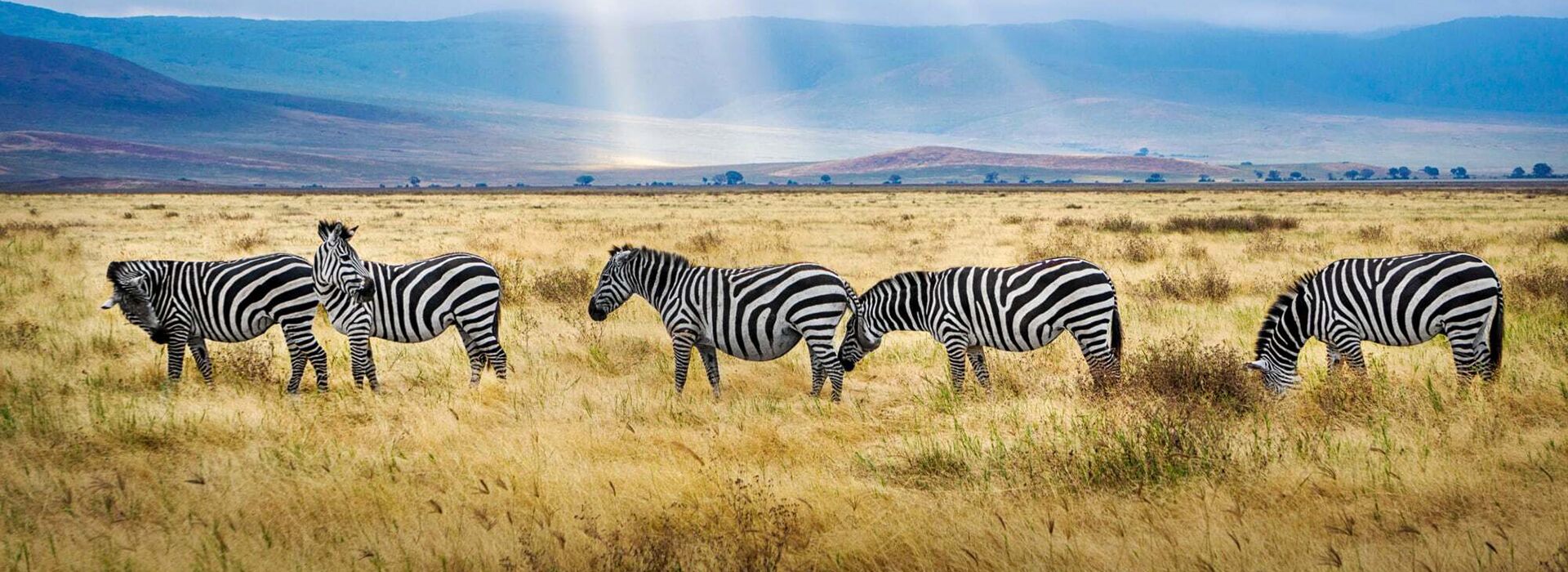
A dawn drive around Seronera, where leopards lie draped along riverside branches and lions use the granite kopjes as lookouts. If time allows, your guide heads towards the Moru Kopjes in the south-west, where a small, heavily protected group of black rhinos lives, though sightings there are never guaranteed. After lunch you leave the park through Naabi Hill gate and climb into the highlands of the Ngorongoro Conservation Area, passing Maasai herders and their cattle, to reach the crater rim at about 2,300 m in the late afternoon. Nights here are cool, and buffalo sometimes graze close to the rim after dark.
Black Rhino in the Crater, Then Home
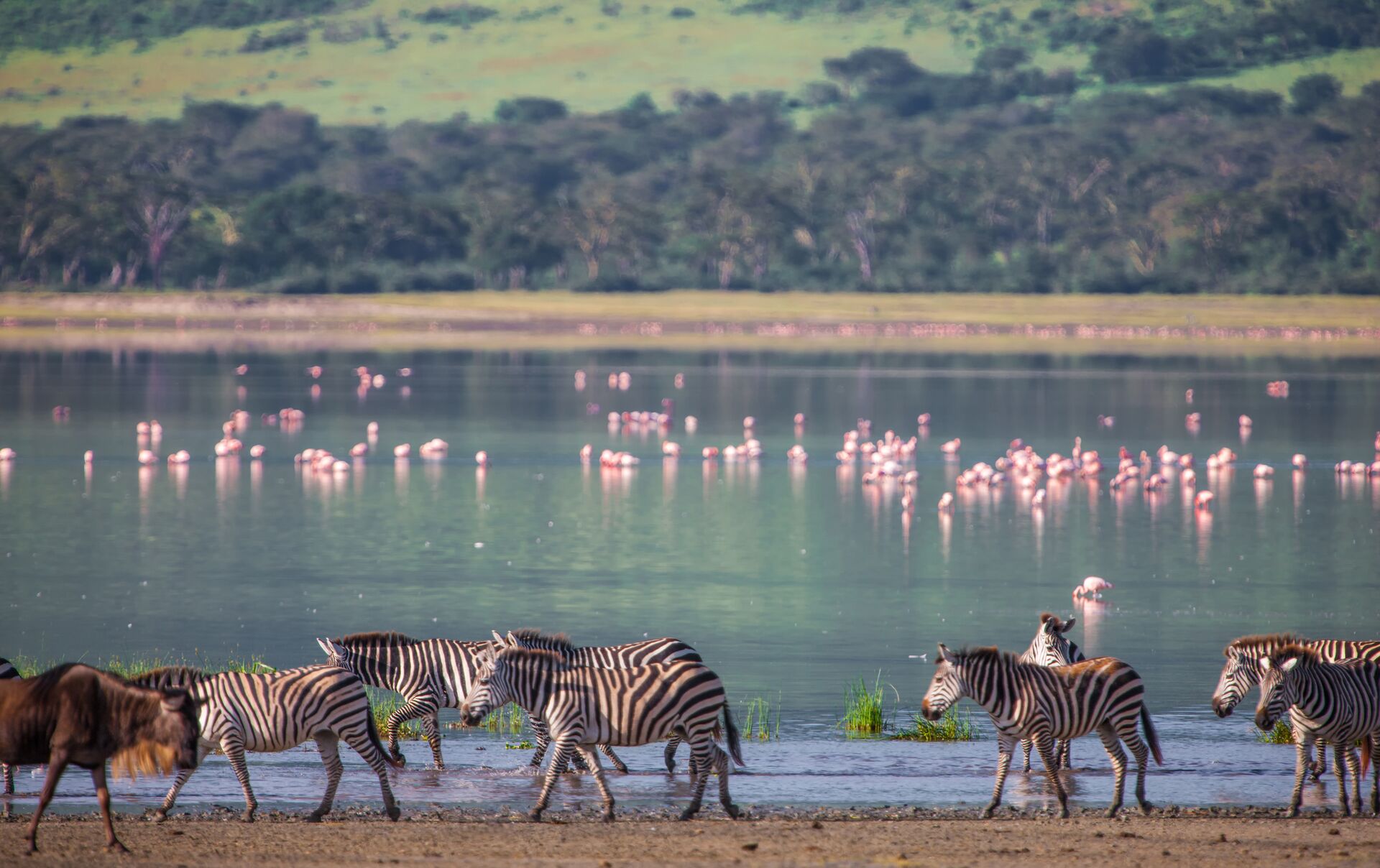
You descend into Ngorongoro Crater at first light, when the rhinos are most likely to be out on the open grass before the day warms up. Scan the plain with your guide: the black rhinos here are monitored constantly by dedicated rangers, and every sighting is a small victory for them. Lions, hyenas, buffalo and flamingos fill the rest of the morning. After a picnic lunch you climb out and drive about three hours to Arusha, then on to Kilimanjaro International Airport for your evening flight home, carrying a much clearer picture of what it takes to keep wild rhinos alive.
Your route
The parks, lakes and towns you'll travel through, in order.
What's included
Prices
Book as a group and the saving is applied to your quote.
Rates are per person per day, sharing a room, and cover everything under what's included. Your tailored quote confirms the final price for your dates. International flights are not included.
Frequently asked questions
How close will I get to a rhino on foot?
Will I definitely see the northern white rhinos?
How physically demanding are the tracking walks?
What is the luggage limit on the flight to Tanzania?
Do I need separate visas for Kenya and Tanzania?
How long is the 11 Days Ol Pejeta, Lewa & Serengeti Rhino Safari?
How much does the 11 Days Ol Pejeta, Lewa & Serengeti Rhino Safari cost?
When is the best time to do the 11 Days Ol Pejeta, Lewa & Serengeti Rhino Safari?
What is included in the 11 Days Ol Pejeta, Lewa & Serengeti Rhino Safari?
Can this itinerary be customised?
Let's plan your safari
11 Days Ol Pejeta, Lewa & Serengeti Rhino Safari · 11 days
Tell us when you'd like to travel and who's coming. A Geob safari specialist in Nairobi will reply within one working day with availability, a tailored quote and any changes you'd like.
- No account or payment needed to enquire
- Every itinerary can be adjusted to your dates and pace
- Prefer to talk? +254 728 136 167
You might also like
 13 days
13 Days Rift Valley Lakes & Serengeti Birding Safari
A specialist-guided run from Rift Valley lakes to Tarangire's baobabs, chasing 400+ species
 9 days
Best seller
9 days
Best seller
9 Days Maasai Mara & Serengeti Migration Safari
Two countries, two riverbanks, one chance to watch the herds take the plunge
 11 days
Best seller
11 days
Best seller
11 Days Kenya & Tanzania Family Safari
Orphaned elephants, bikes in a gorge, junior ranger badges and a crater full of rhino