

10 Days Maasai Mara & Lake Eyasi Cultural Safari
Walk with a Maasai warrior, hunt at dawn with the Hadzabe and meet Datoga blacksmiths
10 Days Maasai Mara & Lake Eyasi Cultural Safari
Wildlife is only half of East Africa's story. The other half belongs to the people who have lived alongside it for centuries, and whose choices will decide whether it survives. This journey puts those people at the centre, through visits arranged with the communities themselves, paid fairly and kept small, so that you meet hosts rather than performers.
In the Maasai Mara you stay in a conservancy owned by Maasai families who lease their land for wildlife, and you see how that model pays school fees and keeps cattle and lions on the same ground. A young warrior leads you on foot, explaining plants, age-sets and how to read the grass. Across the border at Lake Eyasi, you rise before dawn to follow Hadzabe hunters, among the last people in Africa who still live mainly by foraging, then watch Datoga smiths beat scrap metal into arrowheads.
In the green hills around Karatu, Iraqw farmers show you their fields, their coffee and the half-underground houses of their grandparents. Ngorongoro Crater brings the big game, on land shared with Maasai herders, and Arusha's market and heritage centre close the circle in the busy present.
Ideal for: Travellers who want to understand the people who share East Africa's wild places, and who value listening, asking and taking part over watching a show.
The journey in brief
Arriving in Nairobi, you fly next morning to a community-owned conservancy in the Maasai Mara for three nights. Your hosts explain how the conservancy works, a warrior guides you on foot, and you spend time at a family homestead, with game drives fitted around the conversations. On day five a light aircraft carries you via Migori and Kogatende to the Lake Manyara airstrip, from where you drive to Lake Eyasi. Two nights there bring a dawn hunt with Hadzabe foragers, time with Datoga blacksmiths and a walk through Iraqw-farmed onion fields. Moving up to Karatu, you visit a coffee farm and an Iraqw highland village before descending into Ngorongoro Crater. The trip ends in Arusha with a morning in the market and the cultural heritage centre before your evening flight.
Highlights
Day by day
Karibu, Nairobi
Your host is waiting at Jomo Kenyatta International Airport to drive you to your accommodation in Nairobi. Over dinner, your guide, who will travel with you through Kenya, introduces the journey and the people you will meet. Expect an honest conversation about how to be a good guest: what to ask and what to leave alone, when photographs are welcome, why we never hand out sweets or pens, and how the money from each visit reaches the community. A few words go a long way, so you'll practise the basics: supa (hello) and ashe oleng (thank you very much) in Maa, jambo and asante in Swahili.
Landing on Maasai Land
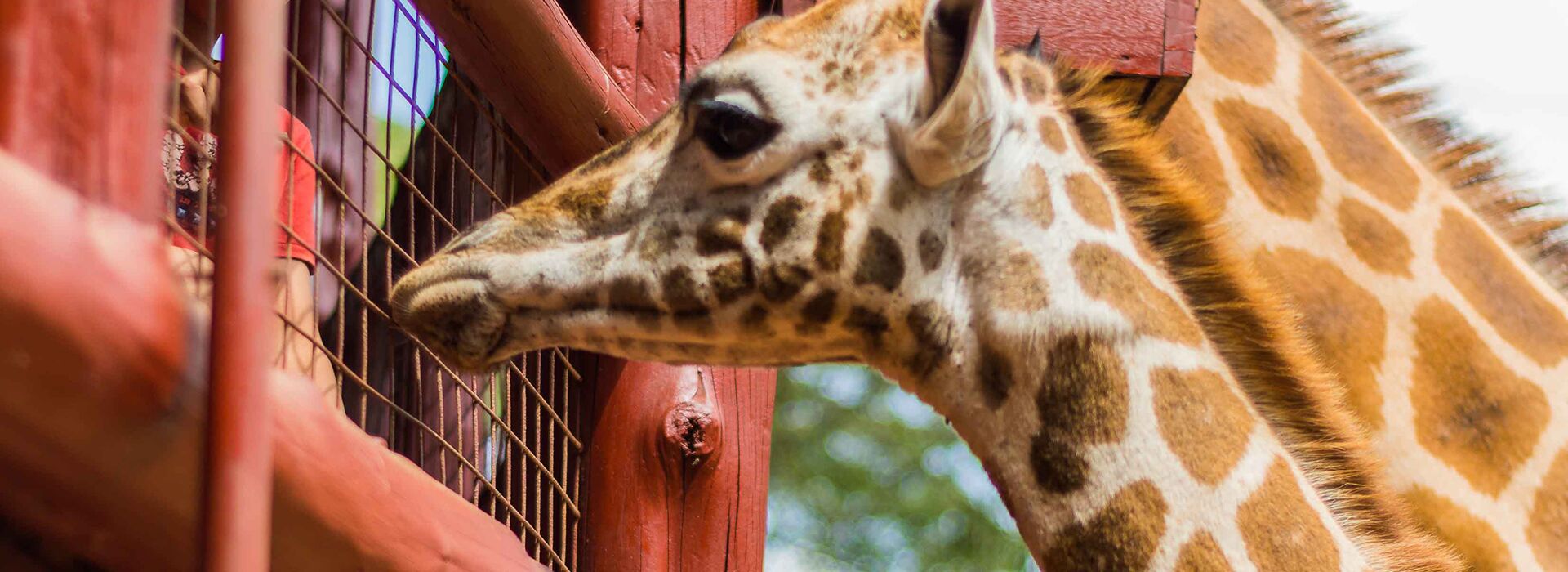
A light aircraft from Wilson Airport sets you down on an airstrip in a community-owned conservancy on the northern edge of the Maasai Mara. Before the first game drive, one of the conservancy's managers, himself a landowner, explains how it works: hundreds of Maasai families pool their land, lease it to a handful of small tourism partners and receive regular payments, while grazing is planned so cattle and wildlife share the grass. Visitor numbers are capped, which is why you'll see so few vehicles. In the afternoon, a drive across the conservancy shows the result, with elephants, giraffes and perhaps a lion pride on land that is still home to people.
On Foot with a Warrior
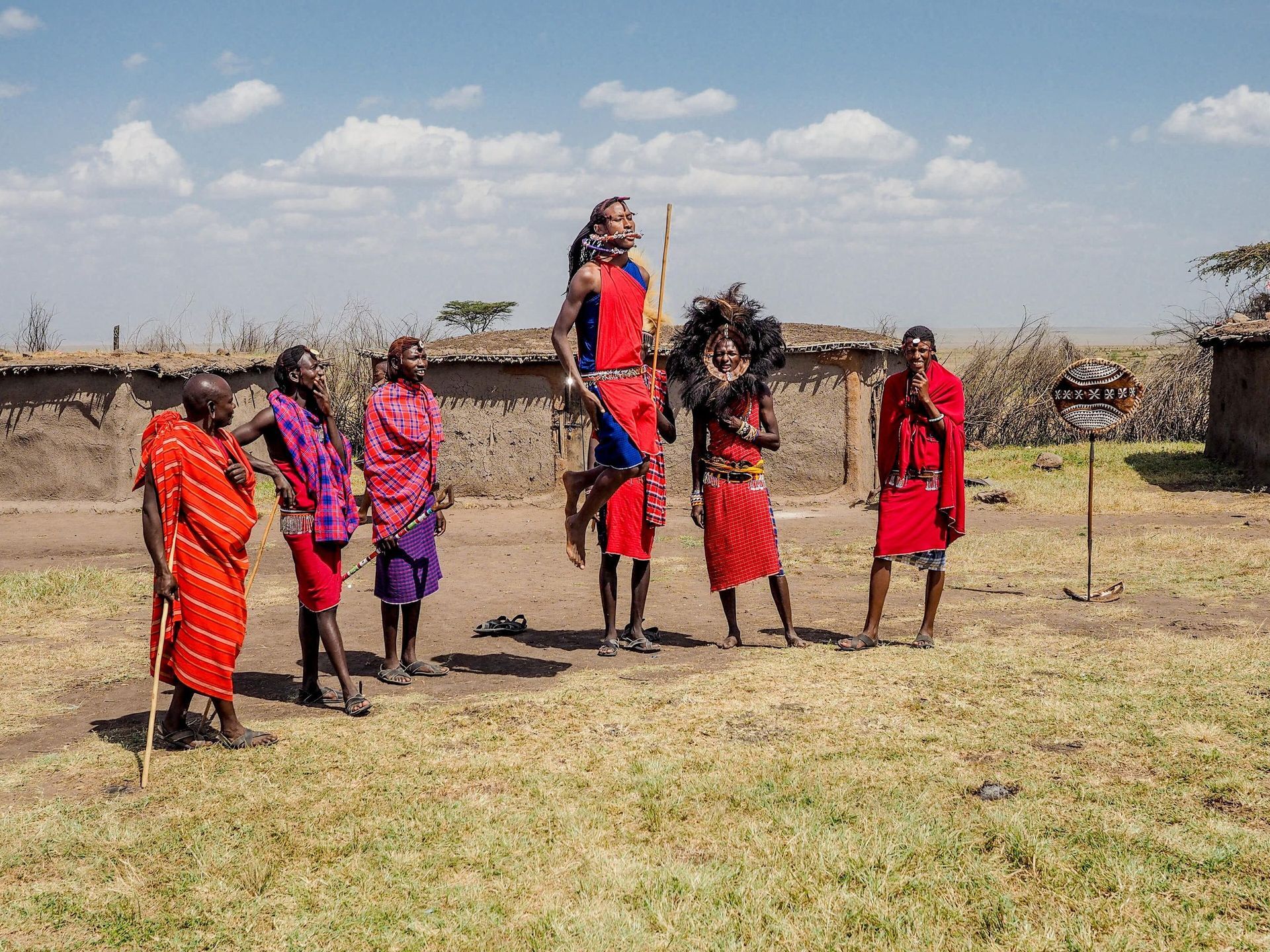
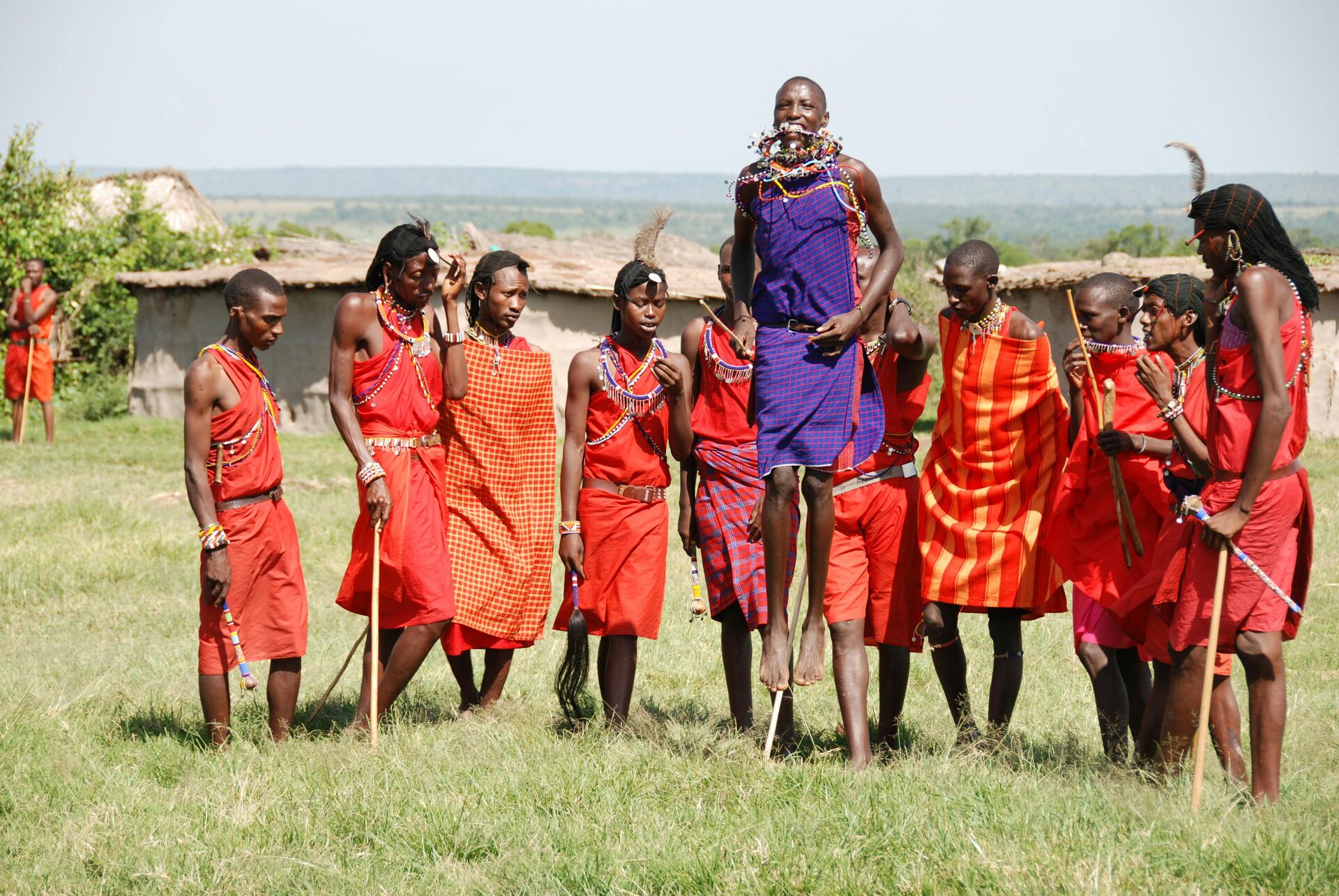
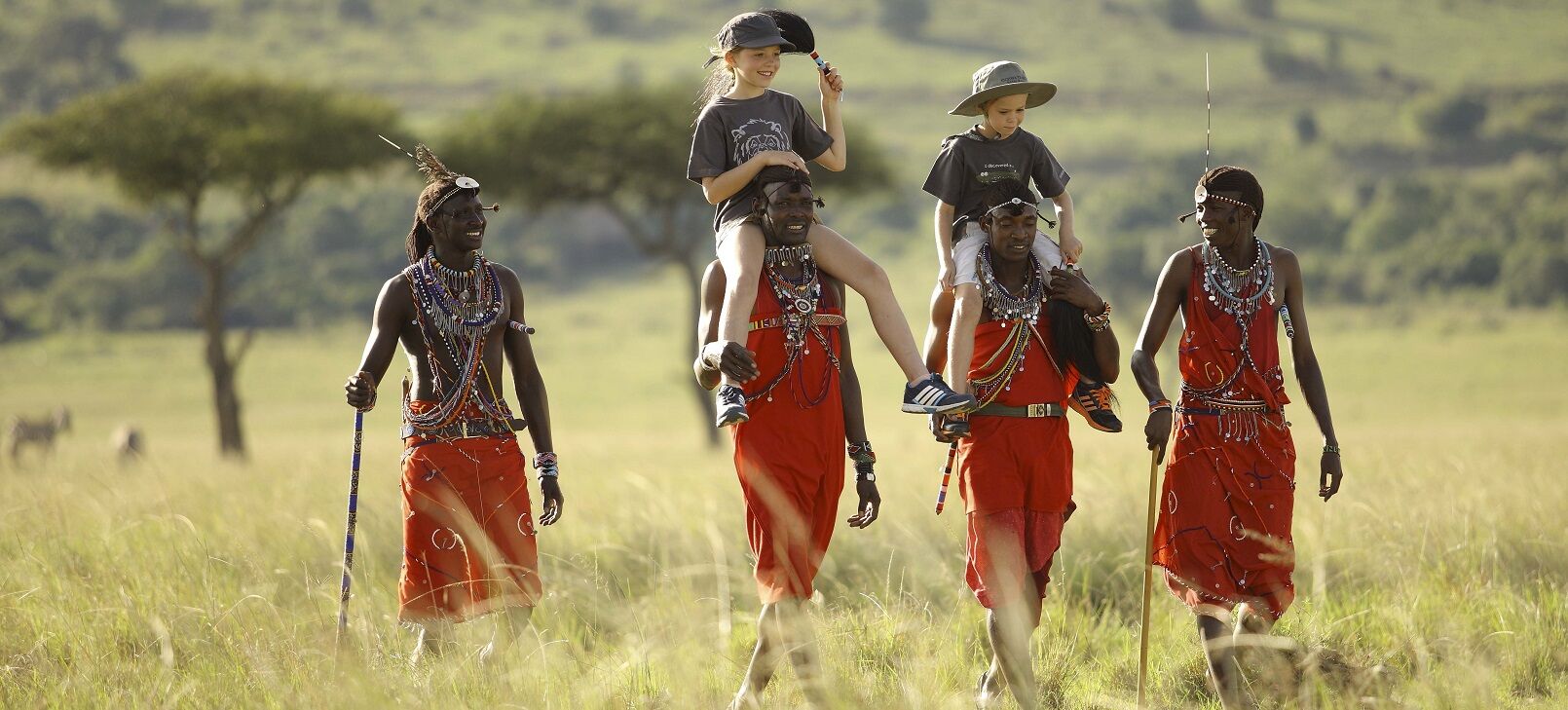
At first light you set out on foot with a young Maasai warrior and a trained walking guide. He shows you which bark eases a stomach ache, which sap seals a cut, and how herders judge from the height and colour of the grass when to move the cattle. Later his family welcomes you to their homestead, a ring of low houses that the women build from branches, mud and dung. The visit is unhurried: you help bring the calves in, sit with the women as they bead, and ask whatever you like. Your visit fee goes straight to the family and the local women's group.
School, Beads and the Evening Fire
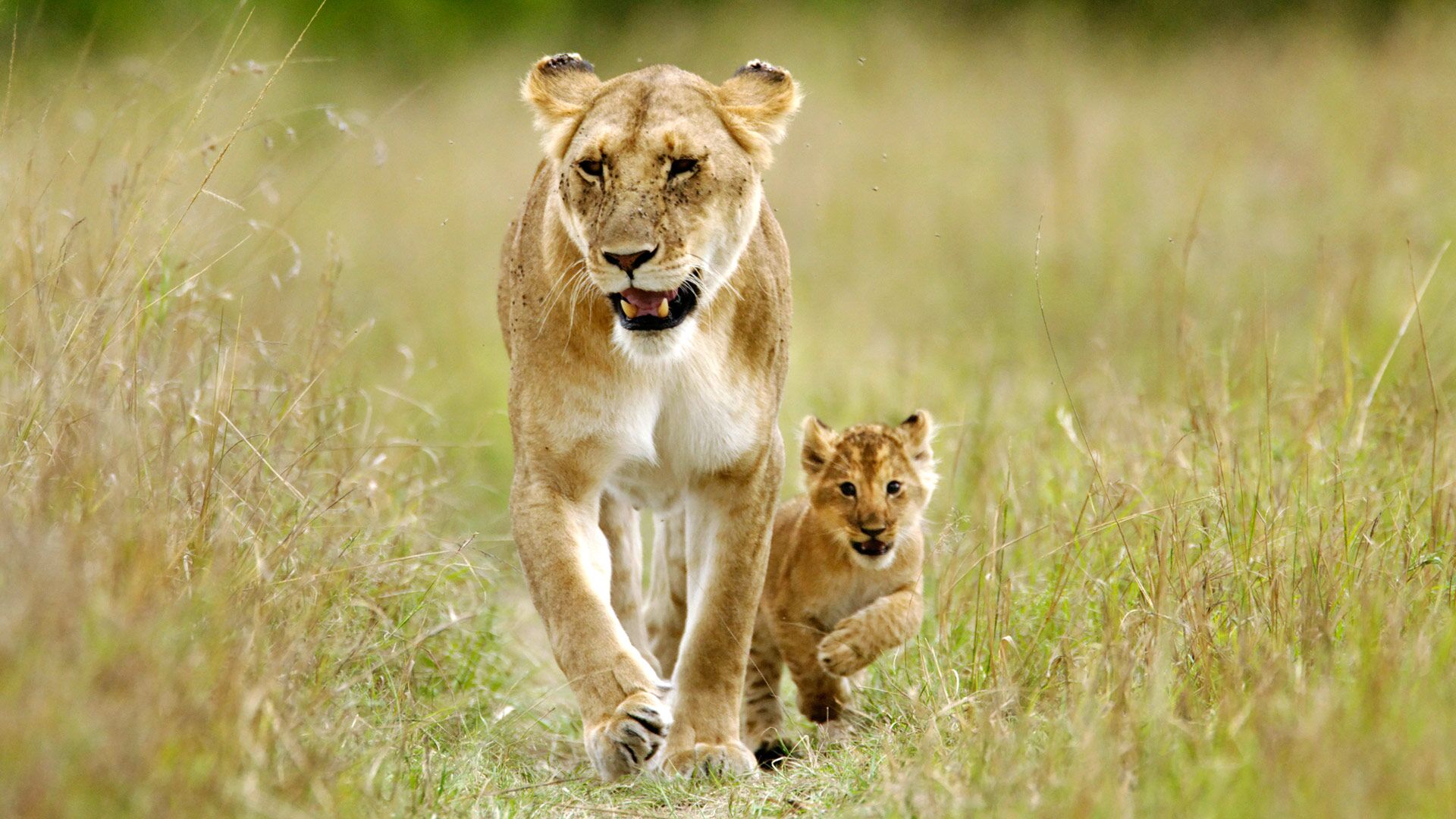
Spend the morning on a game drive while the cats are active, then visit a school or clinic built with conservancy income and talk to the staff about what has changed since the land began earning from wildlife. After lunch, a women's beadwork collective shows how colour carries meaning, red for bravery, blue for the sky that brings rain, green for the land, and you can buy directly from the women who made each piece. As darkness falls, elders join you around a fire to talk about age-sets, cattle, drought and the future of the Mara, with your guide translating. It is the conversation many guests remember longest.
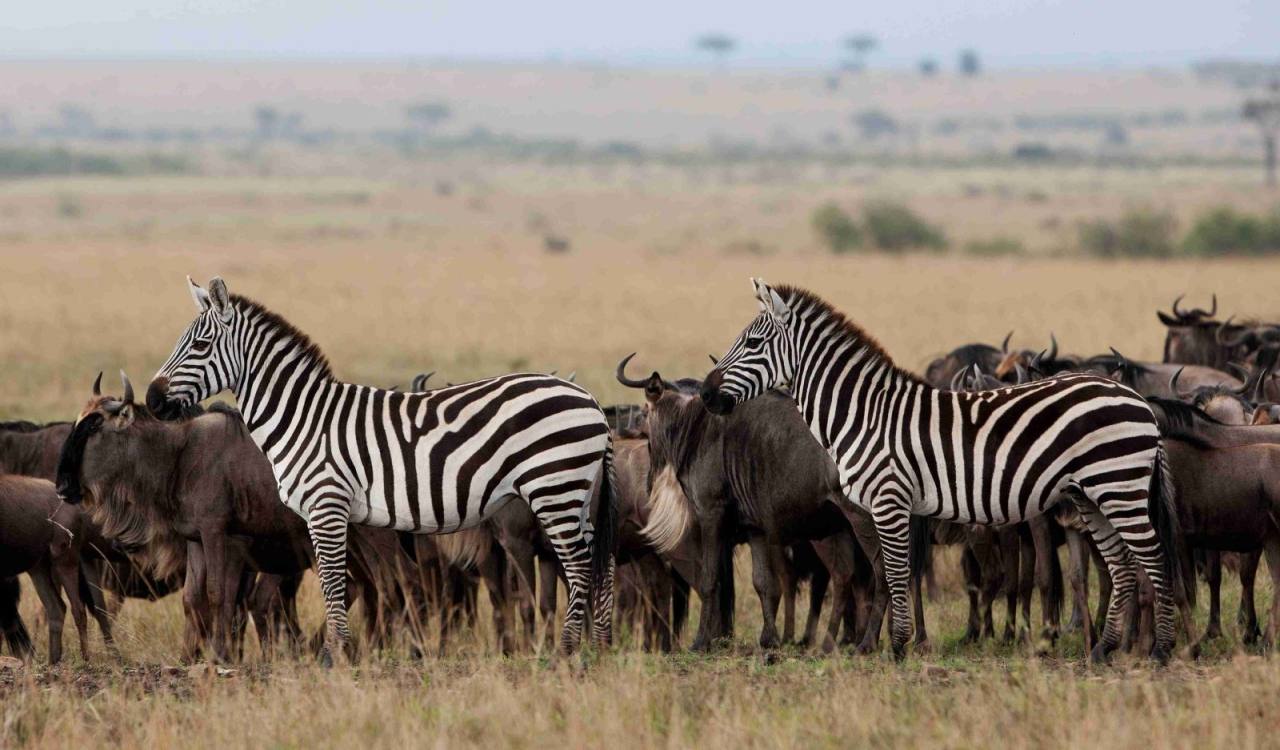
Across the Border to Lake Eyasi
Your light aircraft hops from the Mara to Migori, where you leave Kenya, then to Kogatende in the northern Serengeti for Tanzanian immigration, and continues on a scheduled route to the Lake Manyara airstrip. Your Tanzanian guide is waiting. The drive climbs through the farmland around Karatu, then drops into a dry valley of baobabs and thorn scrub to Lake Eyasi, a long, shallow soda lake below the rift wall. In the evening your local interpreter, who grew up in a village near the lake and speaks the Hadza language, explains tomorrow: a very early start, quiet feet and an open mind.
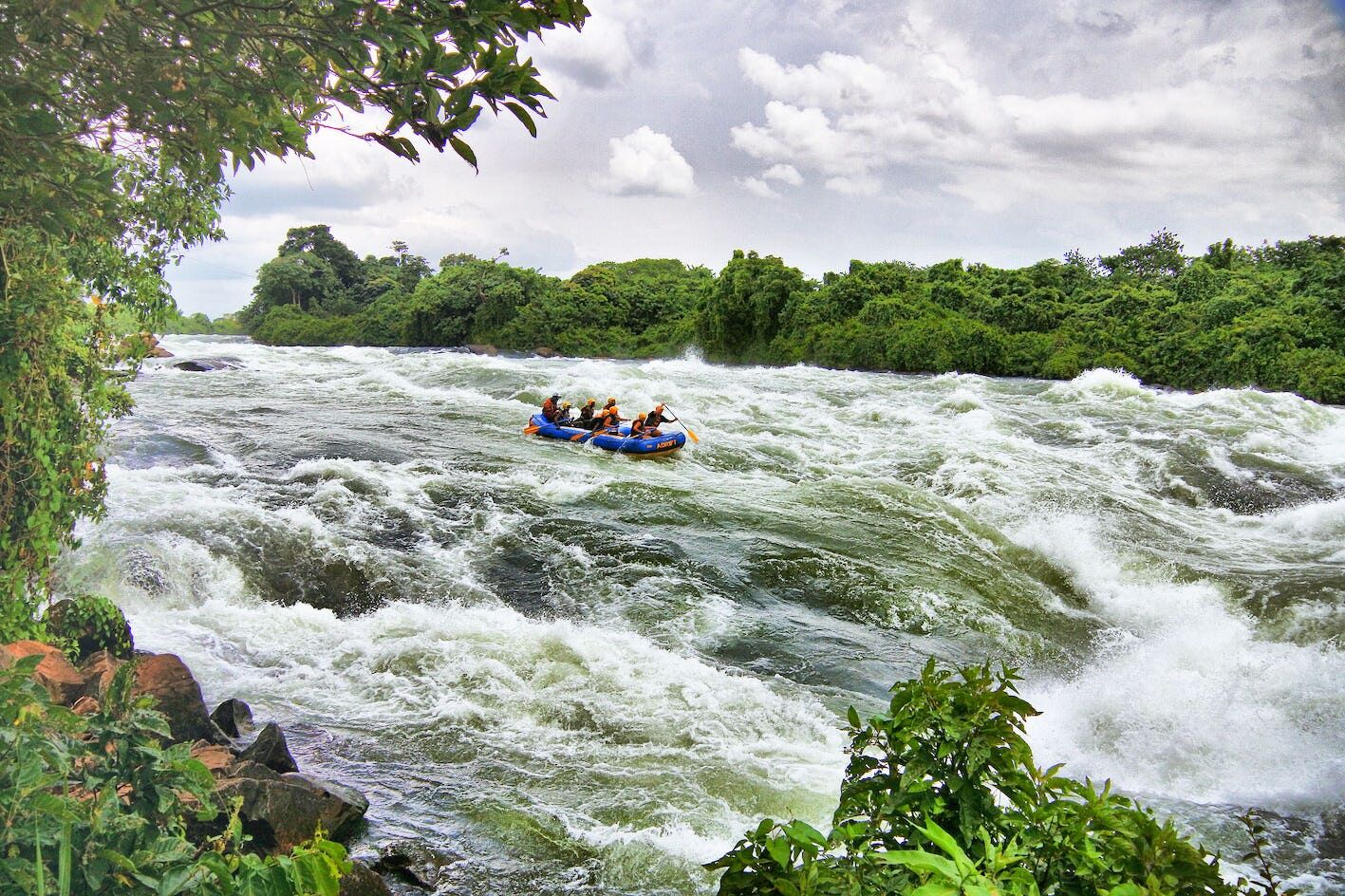
Dawn with the Hadzabe
You leave in darkness and reach a Hadzabe camp as the men warm themselves at a small fire, testing bowstrings and sharpening arrows. When they set off into the bush, you follow, moving fast and quietly through the thorn scrub while they read birdcalls and tracks. A hunt may end with a dik-dik, a bird or nothing at all; this is daily life, not a show. You may also see a honeyguide bird lead the hunters to a wild bees' nest. In the afternoon you visit Datoga neighbours, pastoralists whose smiths melt scrap metal over charcoal and hammer out the arrowheads the Hadzabe trade for, alongside bracelets and knives.
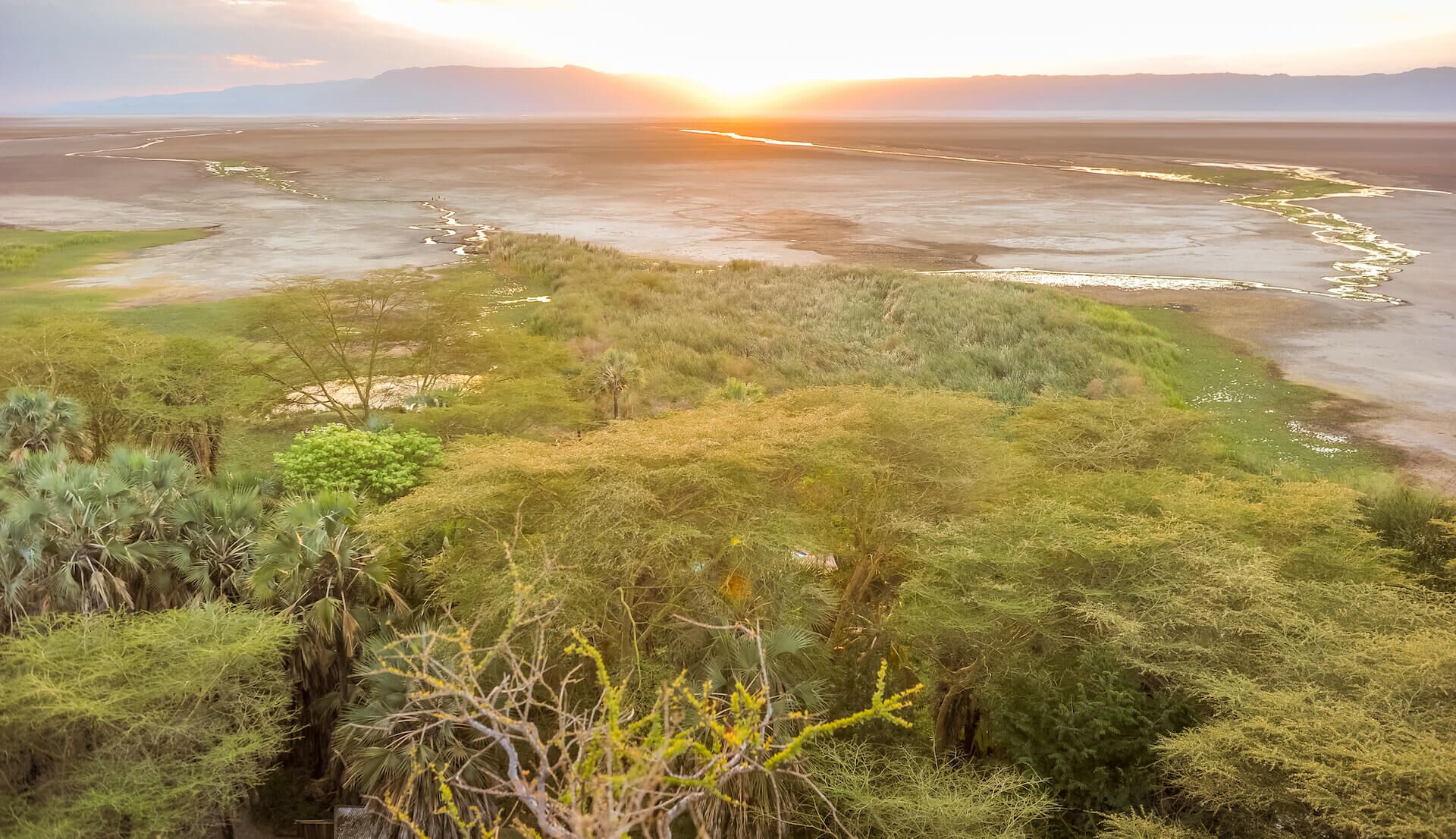
Onion Fields and Coffee Hills
A slow morning by the lake. Your guide walks you through irrigated plots fed by Eyasi's springs, where Iraqw and other farmers grow onions in tidy green rows, and explains how hunters, herders and farmers share one basin. Then you drive about ninety minutes up into the cool highlands around Karatu, where the soil is red and the slopes are terraced. In the afternoon, at a family-run coffee farm, you pick ripe cherries if the season allows, pulp and dry the beans, roast them in a pan over the fire and pound them by hand. You drink the result on the farmhouse veranda, strong and slightly smoky.
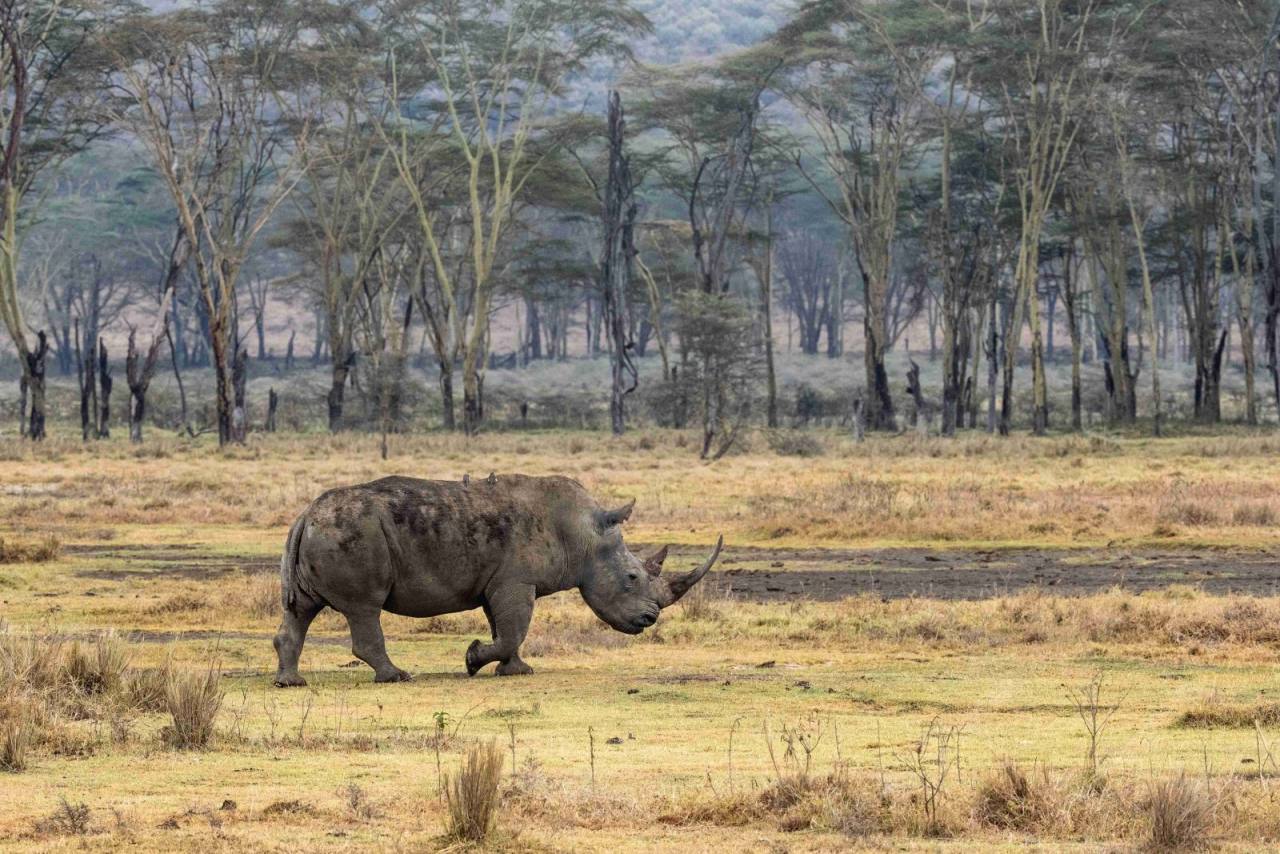
An Iraqw Morning in the Highlands
Today you walk through an Iraqw village in the hills above Karatu with a local guide whose grandparents grew up in the old ways. The Iraqw are farmers whose Cushitic language is unlike any of their neighbours', and whose traditional houses were dug partly into the hillside, hidden from raiders and cool in the heat. You step down into one, meet the family who keep it, and learn about brewing beer from maize and millet, the role of the elders and the rhythm of the farming year. The afternoon is free to rest, or to visit a craft workshop in Karatu town before an early night ahead of the crater.
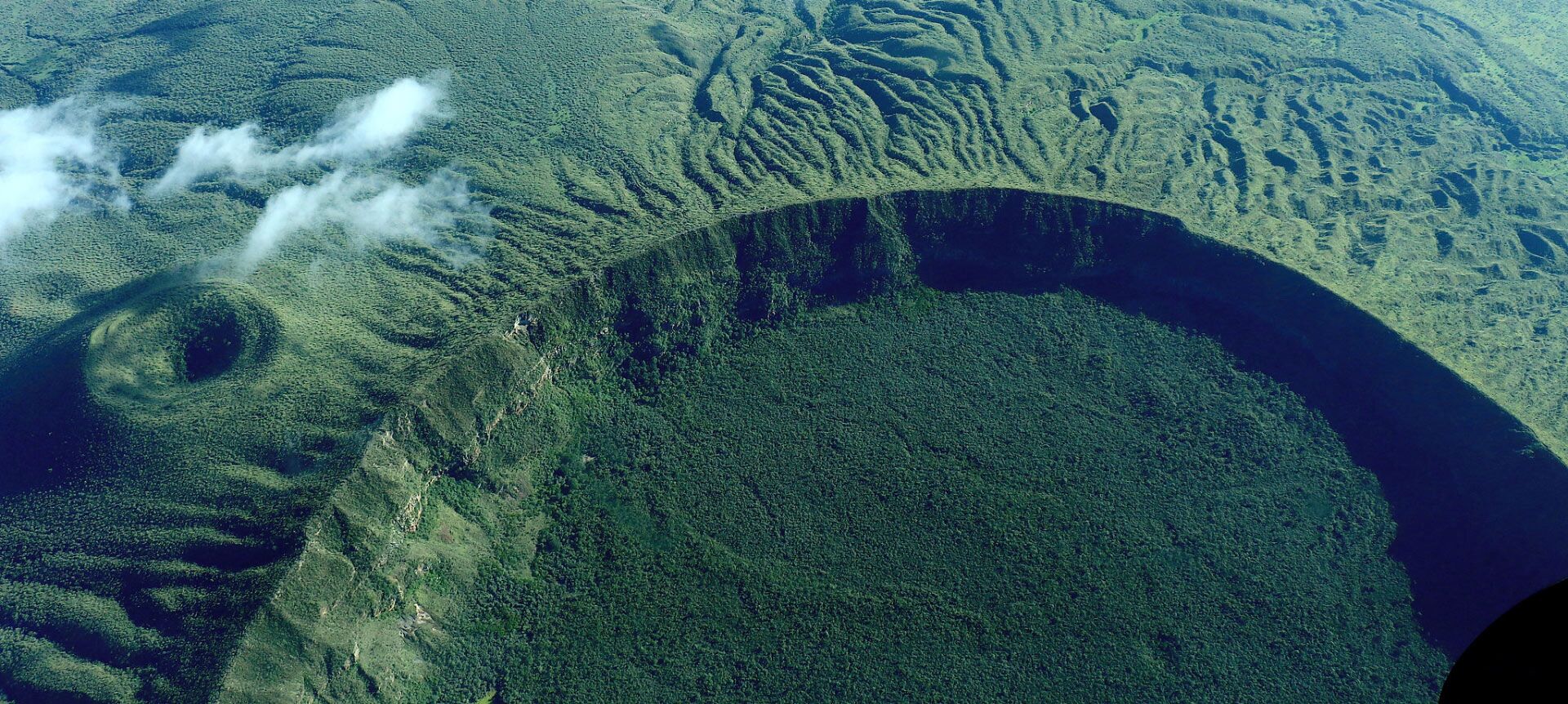
Ngorongoro, Shared Ground
You climb through the forest to the crater rim at dawn and descend about 600 metres to the floor. Inside the walls, lions, buffalo, zebra and wildebeest graze, and the rare black rhino may appear far out on the grass. On the slopes outside, Maasai herders walk their cattle between bomas and water, a reminder that this is a conservation area where people live, not a fenced park. Your guide talks openly about the debate over how people and wildlife share this land, and why it matters well beyond Tanzania. After a picnic by the hippo pool, you drive about three hours to Arusha.
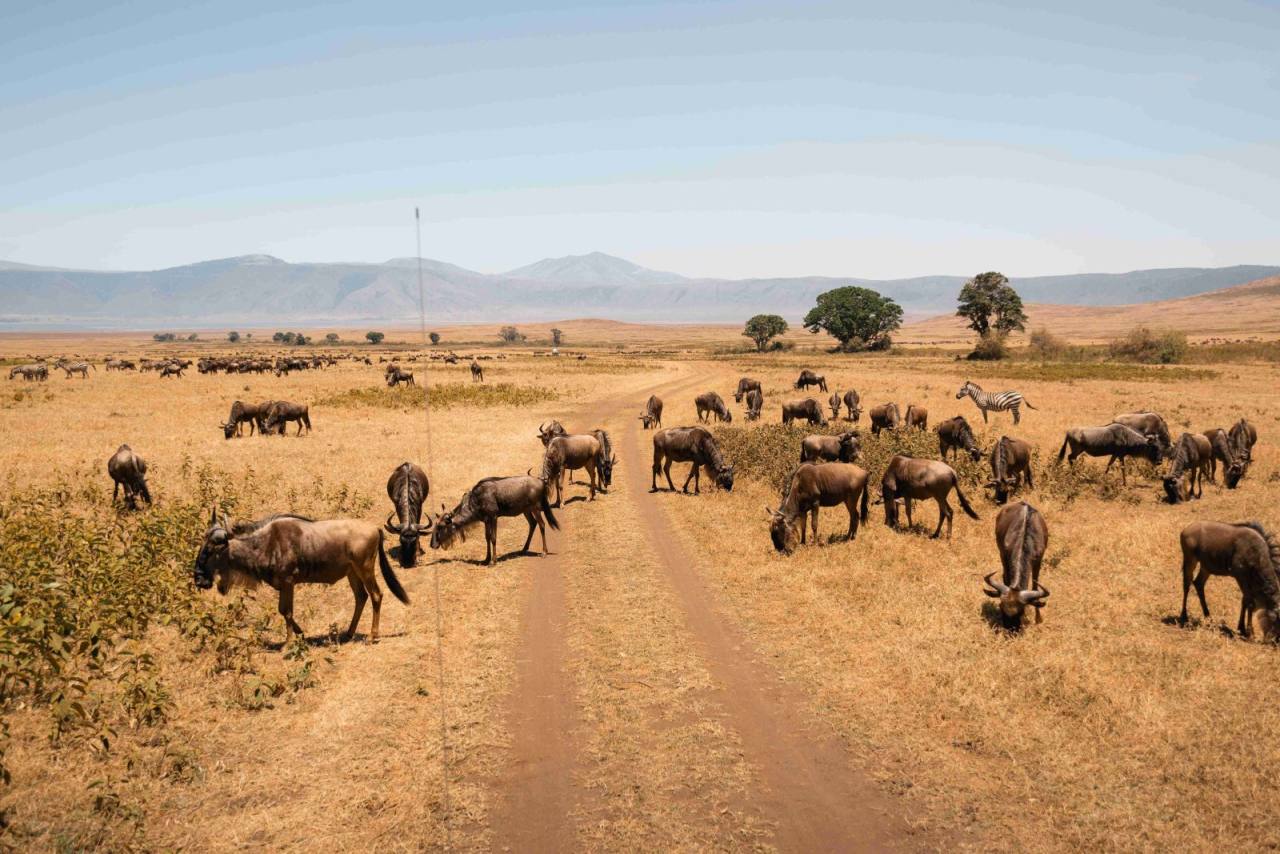
Arusha Market and the Road Home
Your last morning is in the busy present. With your guide you walk through Arusha's central market, where traders stack mangoes and dried fish, tailors pedal treadle sewing machines and spice sellers scoop cardamom and cloves into paper cones. Then visit the cultural heritage centre on the edge of town, a large gallery of Tanzanian painting, carving and textiles, where you can see work from many of the communities you have met. After a farewell lunch, you transfer to Kilimanjaro International Airport for your evening flight, carrying names and faces home rather than just photographs.
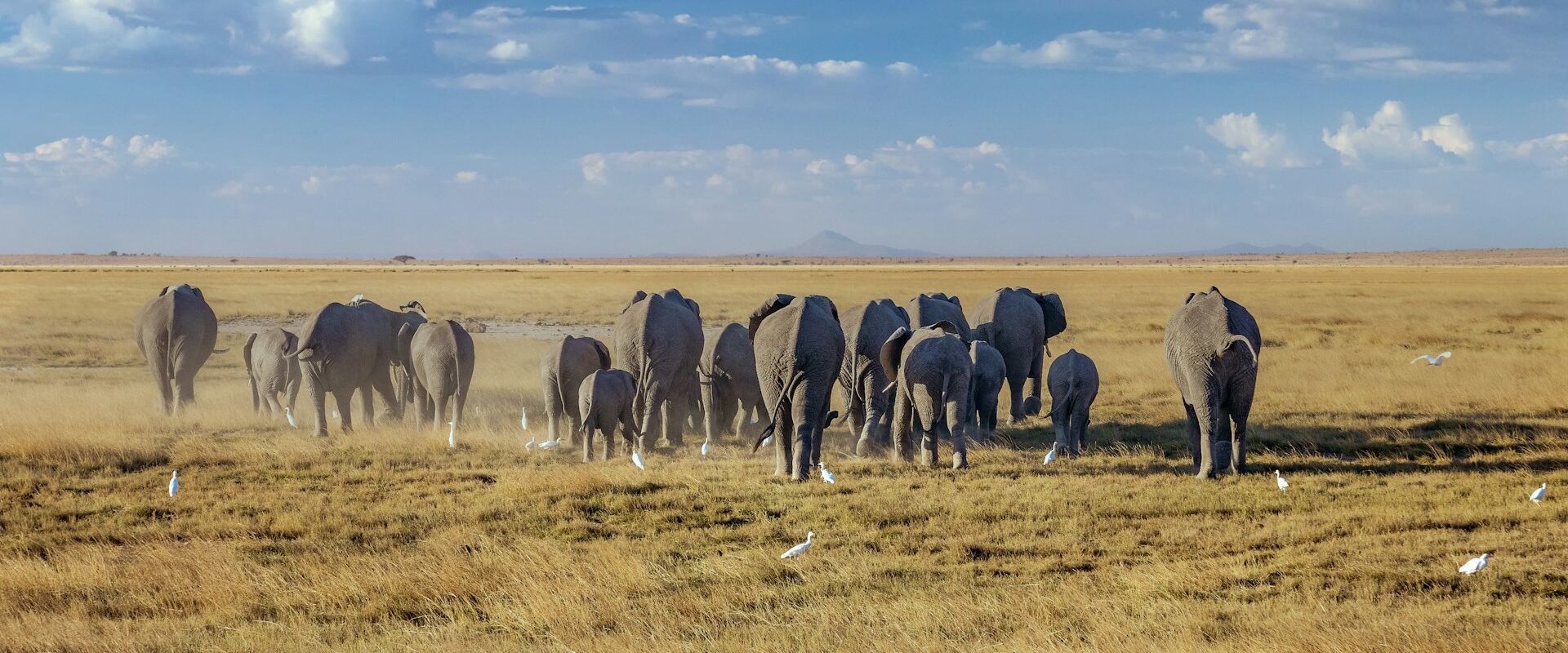
Your route
The parks, lakes and towns you'll travel through, in order.
What's included
Prices
Book as a group and the saving is applied to your quote.
Rates are per person per day, sharing a room, and cover everything under what's included. Your tailored quote confirms the final price for your dates. International flights are not included.
Frequently asked questions
Are these visits genuine, or staged for tourists?
Can I take photographs of people?
Is the Hadzabe dawn hunt physically demanding?
Should I bring gifts for the communities?
What travel documents do I need?
How long is the 10 Days Maasai Mara & Lake Eyasi Cultural Safari?
How much does the 10 Days Maasai Mara & Lake Eyasi Cultural Safari cost?
When is the best time to do the 10 Days Maasai Mara & Lake Eyasi Cultural Safari?
What is included in the 10 Days Maasai Mara & Lake Eyasi Cultural Safari?
Can this itinerary be customised?
Let's plan your safari
10 Days Maasai Mara & Lake Eyasi Cultural Safari · 10 days
Tell us when you'd like to travel and who's coming. A Geob safari specialist in Nairobi will reply within one working day with availability, a tailored quote and any changes you'd like.
- No account or payment needed to enquire
- Every itinerary can be adjusted to your dates and pace
- Prefer to talk? +254 728 136 167
You might also like
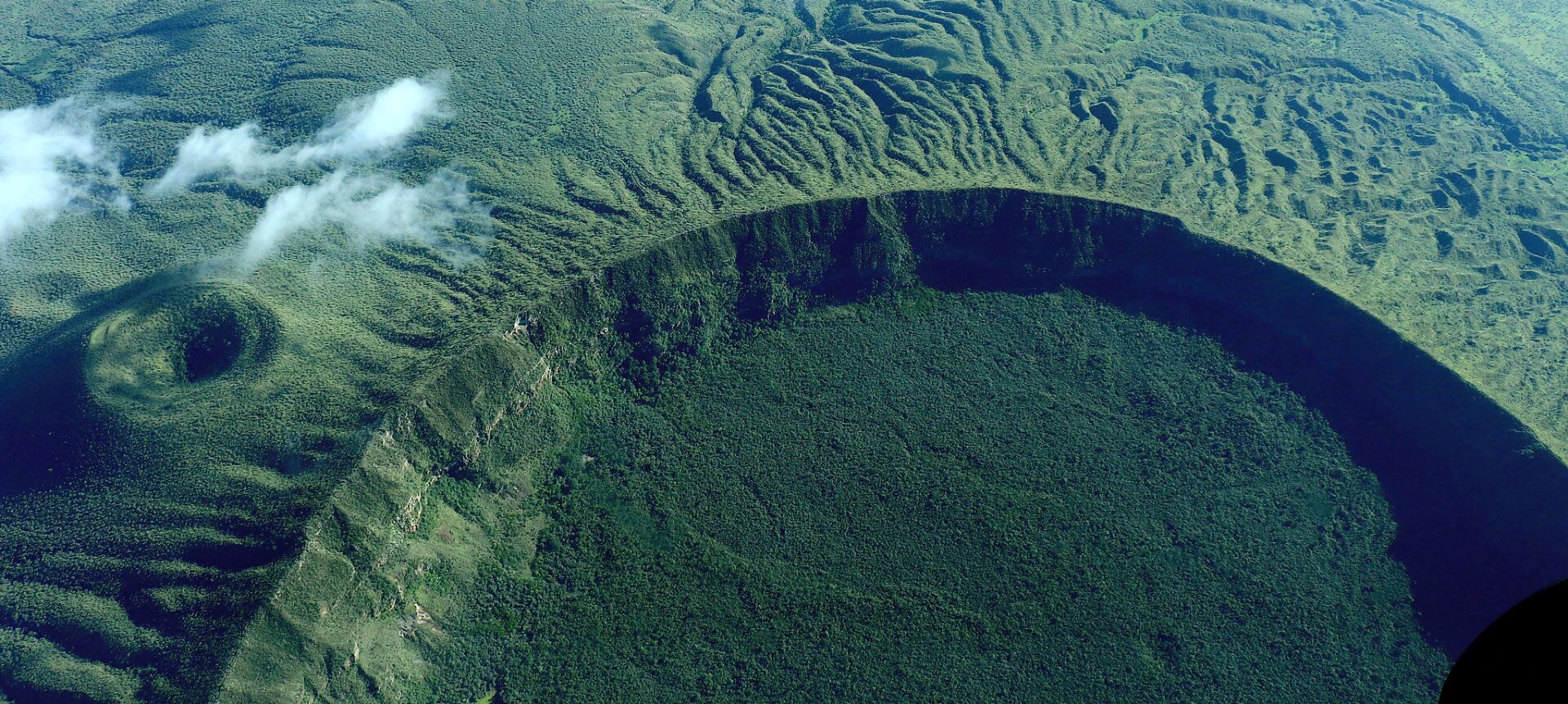 9 days
9 Days Maasai Mara & Lake Natron Walking Safari
Track with Maasai guides, sleep out in a fly camp and hike down into Empakaai Crater
 11 days
Best seller
11 days
Best seller
11 Days Kenya & Tanzania Family Safari
Orphaned elephants, bikes in a gorge, junior ranger badges and a crater full of rhino
 11 days
11 Days Tsavo, Amboseli & Serengeti Safari
Red elephants, lava fields and Serengeti lions on East Africa's wilder southern route